
Unbiased headlines. Facts, not spin.
Every story is an unbiased news briefing written from 110+ sources across the spectrum — sources linked so you can verify it yourself.
 health
Notable (5/10)
June 12, 2026 at 08:23 AM
health
Notable (5/10)
June 12, 2026 at 08:23 AM
Planned Parenthood Sues Alaska Over Law Restricting Telehealth Abortion Prescriptions
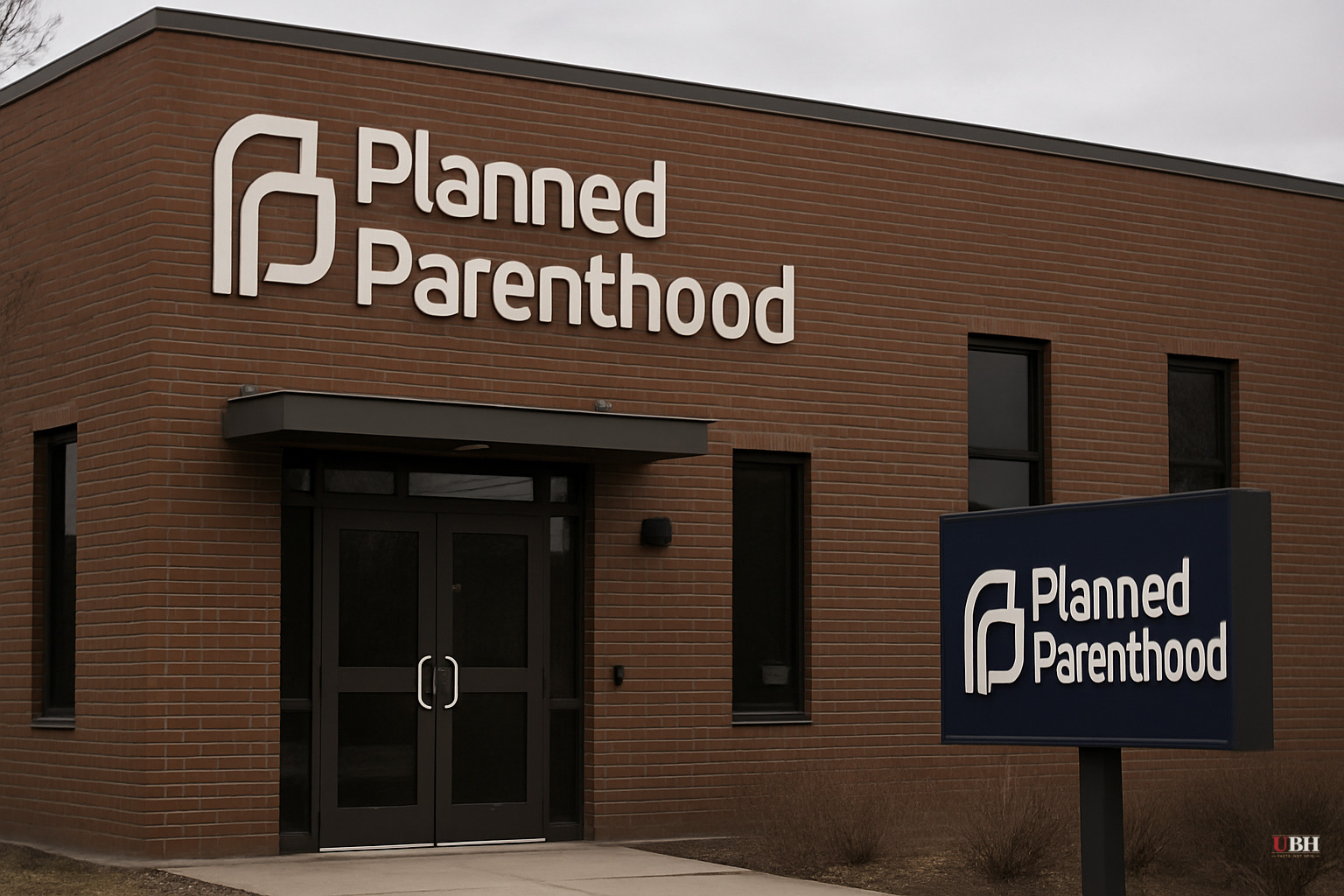
What the Lawsuit Is About Planned Parenthood has filed a lawsuit challenging Alaska state restrictions on telehealth abortion services, according to headlines from AP News and the Anchorage Daily News. Both source pages were unavailable at time of publication, so specific filing dates, named plaintiffs beyond Planned Parenthood, the precise statutory provisions being challenged, and the court where the suit was filed could not be independently confirmed from those sources. What the headlines establish clearly: a legal challenge is underway as of June 12, 2026, targeting Alaska's limits on abortion medication prescribed through telehealth platforms.
The State's Likely Argument Alaska is not
alone in regulating medication abortion via telehealth. Multiple states have enacted laws requiring an in-person exam before a physician can prescribe mifepristone or misoprostol, typically citing patient safety, the need to rule out ectopic pregnancy, and gestational age verification. Supporters of these restrictions argue they are standard-of-care requirements, not abortion bans, and that the physical exam requirement applies to other prescription medications with serious contraindications. The strongest good-faith case for the restriction holds that telemedicine has real limits, and a missed ectopic pregnancy can be life-threatening.
The Counterargument Planned
Parenthood's position, standard in these suits, is that telehealth restrictions function as access barriers in a state where geography already does the work of restriction. Alaska is the largest state by area and among the least densely populated. For patients in rural communities hundreds of miles from the nearest clinic, an in-person requirement is not a minor inconvenience. It can be a practical prohibition. The FDA approved mifepristone for medication abortion through 10 weeks of pregnancy and, as of 2023, authorized certified pharmacies and telehealth prescribers to dispense it. Planned Parenthood will likely argue Alaska's law conflicts with that federal regulatory framework.
What Is Proven, What Is Alleged What is
established by the source headlines: Planned Parenthood filed suit. The target is Alaska's telehealth abortion restrictions. What is not yet established from available sourcing: the specific statutory text being challenged, whether a temporary restraining order has been sought, the judge assigned, and what Alaska's attorney general has said in response. No investigation, charge, or criminal proceeding is involved. This is civil constitutional and administrative litigation.
The Broader Legal Landscape
Since the Supreme Court's 2022Dobbs decision returned abortion regulation to the states, telehealth abortion has become one of the most active legal battlegrounds. Cases in Missouri, Idaho, and North Carolina have tested similar restrictions with mixed outcomes depending on circuit and state constitutional provisions. Alaska has a state constitution with a right to privacy that courts have previously interpreted broadly, which could shape how this case proceeds independent of federal law. That is a concrete legal variable that will matter more than the federal framing once the case gets to the merits.
What Comes Next The outcome hinges on two questions the available sourcing cannot yet
answer: whether Planned Parenthood seeks emergency injunctive relief before the law takes effect or continues to be enforced, and how an Alaska court reads the state's own privacy clause in the context of telehealth regulation specifically. Alaska's attorney general will need to file a response, and the state's legal theory, once on record, will clarify whether this is argued primarily as a safety regulation or as a permissible post-Dobbs restriction. That response, not the complaint, is where the legal fight actually starts.
Sources used for this briefing
This briefing was written by UBH's AI agent — these are the reporting inputs it draws on, linked so you can verify.


