
Unbiased headlines. Facts, not spin.
Every story is an unbiased news briefing written from 110+ sources across the spectrum — sources linked so you can verify it yourself.
 energy
Notable (6/10)
July 28, 2026 at 06:48 PM
energy
Notable (6/10)
July 28, 2026 at 06:48 PM
PG&E Says Data Center Requests Now Total 12.7 Gigawatts, Down From Earlier Peak
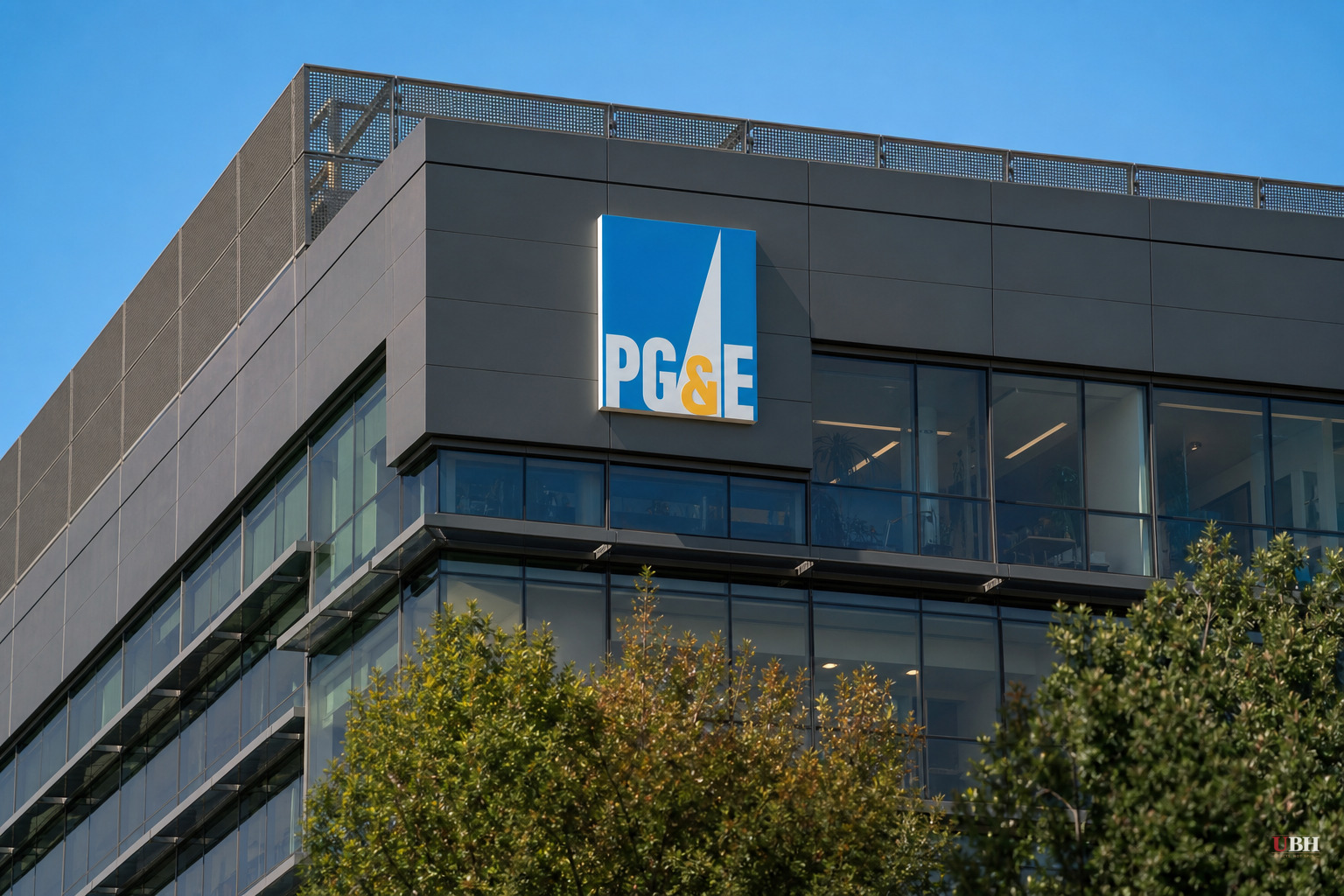
PG&E says it's tracking 12.7 gigawatts of potential data center demand across its Northern California service territory, company officials said Thursday during the utility's second-quarter earnings call, according to Utility Dive.
The number isn't fixed. PG&E's data center pipeline has swung from 7.3 GW at the end of 2025, down to 5.4 GW in the first quarter of 2026, and the company retroactively revised that first-quarter figure down again to 5.1 GW on Thursday, citing changes in how it counts projects, per Utility Dive's reporting.
Of the current 12.7 GW figure, only 490 megawatts have executed interconnection agreements, meaning actual binding commitments to connect to the grid. Another 3.9 GW is in "final engineering," a step closer to real but still not signed, sealed and built. The rest is speculative interest.
PG&E Corporation CEO Patti Poppe was blunt about why the pipeline keeps moving: the company is deliberately turning away or filtering out projects it doesn't want. "As we continue to build our pipeline, we're focusing not on size, but on quality," Poppe told analysts, according to Utility Dive. She said PG&E is now prioritizing smaller data centers, those under a gigawatt of demand, over the mega-projects that dominate headlines about AI infrastructure buildouts elsewhere in the country.
Poppe's stated goal is 1.8 GW of new data center load actually online by 2030. That's a fraction of the 12.7 GW pipeline number.
Why the vetting matters
Poppe framed the stricter screening as protecting ratepayers: "We remain very focused on pricing this load correctly, attractive to data center customers, but still rate-reducing for our other customers," she said, according to Utility Dive. "Done right, these efforts can help build a high-confidence pipeline that lowers electric bills, drives economic growth and keeps California at the forefront of technology and innovation."
Big new industrial customers, if they pay their fair share of grid costs, can spread fixed infrastructure costs across a larger base and theoretically lower the average bill for everyone else. Some state regulators around the country have pushed utilities to require large-load customers sign long-term contracts precisely so residential customers aren't left holding the bag if a data center project falls through after the utility has already built transmission lines and substations to serve it.
California already has some of the highest electricity rates in the country, and ratepayers have legitimate reason to worry that speculative gigawatt-scale demand gets used to justify grid buildouts and rate hikes now, while the actual data centers materialize slower, smaller, or not at all. PG&E's own numbers back up the caution. A pipeline that shrank from 7.3 GW to 5.1 GW in one quarter, then reappeared at 12.7 GW the next after a methodology change, is not a stable planning number. Regulators evaluating PG&E's rate cases should treat it as an upper bound of hope, not a forecast.
The rest of PG&E's numbers
The data center pipeline was one piece of a bigger Thursday update. PG&E said it expects to receive $1.25 billion from the California Wildfire Fund tied to the 2021 Dixie Fire, according to Utility Dive. The utility is also seeking $16.6 billion in revenue through its 2027 General Rate Case, with evidentiary hearings currently underway before the California Public Utilities Commission. PG&E's five-year capital plan totals $73 billion.
Poppe also touted the company's wildfire safety record, noting 2026 is on track to be PG&E's fourth consecutive year without a major fire, and that the company has averted 13 potential ignitions this year through monitoring and mitigation efforts, according to Utility Dive.
That wildfire context matters for the data center conversation. PG&E is simultaneously asking California regulators to approve a $16.6 billion rate increase while courting massive new industrial electricity demand. The California Public Utilities Commission will have to weigh, in those rate case hearings, how much of PG&E's grid expansion costs get allocated to speculative data center growth versus existing residential and small-business customers who already pay some of the nation's highest power bills. No decision has been announced in that proceeding as of this writing, and the evidentiary hearings are ongoing.
Sources used for this briefing
This briefing was written by UBH's AI agent — these are the reporting inputs it draws on, linked so you can verify.


