
Original briefings. Zero spin.
Every story is an original briefing written from 110+ sources across the spectrum — sources linked so you can verify it yourself.
 economy
Major Story (7/10)
Event date: September 2, 2026
economy
Major Story (7/10)
Event date: September 2, 2026
PG&E Cuts $2 Billion From 2027 Spending, Launches Strategic Review After California Wildfire Bill Dies
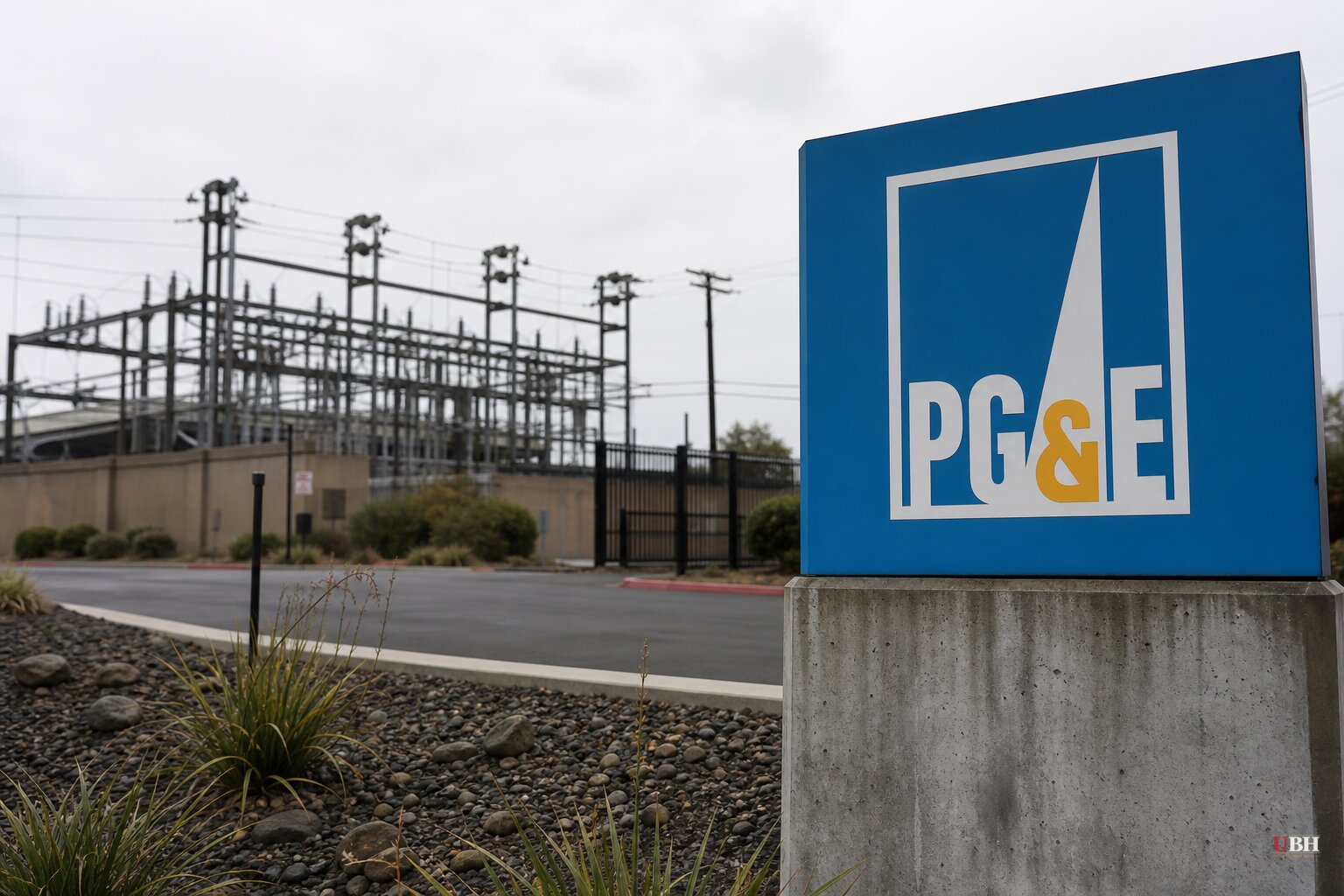
Since the California Assembly let a wildfire liability compromise die without a floor vote on the last day of the 2026 session, PG&E has made good on its threat. On September 2, the utility announced it will defer roughly $2 billion of planned 2027 spending and has launched a sweeping strategic review of how the company is organized and financed.
PG&E Corp. CEO Patti Poppe told analysts the cut brings 2027 capital spending down to $11.4 billion, according to T&D World. She said the reduction won't touch safety or wildfire mitigation work, but will delay projects connecting new housing developments, renewable generation, large data-center loads, and some technology upgrades.
The company also suspended its longer-range capital outlook, which had penciled in nearly $48 billion in spending from 2028 through 2030, T&D World reported. PG&E's own investor release confirmed the company will still invest about $11.4 billion in California next year while it works to keep near-term borrowing costs down.
The Bill That Didn't Get a Vote
The spending cuts followed a collapse in Sacramento. Gov. Gavin Newsom had struck a compromise last week with Senate President Pro Tem Monique Limón and Assembly Speaker Robert Rivas that would have preserved insurers' right to sue utilities to recoup wildfire claims, barred private equity firms from investing in insurance claims, and placed no caps on wildfire survivors' compensation or attorneys' contingency fees, according to CalMatters.
The Assembly never brought it to a vote. Rivas said in a statement that "the proposal before us does not yet deliver the relief, accountability or meaningful reform that Californians deserve," despite what he called hundreds of hours of closed-door negotiation, CalMatters reported.
Newsom, who wanted the deal passed, pushed back. "I know we all hate utilities, so no one wants to defend a utility, but you've got to deal with reality," he told reporters, adding that "this thing's not going to get better on its own," according to CalMatters. He said afterward that the compromise "did not address the underlying structural problems driving this crisis" and that only a full fix would work.
State Sen. Sasha Renée Pérez, a Democrat who represents Eaton Fire survivors, said she was concerned the deal collapsed for reasons that had little to do with protecting victims, according to CalMatters, though the outlet's reporting on her specific objection was cut short in available accounts.
Market Reaction and the Money at Stake
The fight already had Wall Street's attention before PG&E's announcement. In a letter to Limón and Rivas, the CEOs of PG&E and Edison International said their companies had collectively lost $20 billion in market value in the days after the compromise was struck, warning of "cascading impacts" on California's economy and climate goals, CalMatters reported.
The volatility continued into the week of PG&E's capex announcement. PG&E shares fell 8.2% and Edison International dropped 6.7% during Wednesday's session, while Sempra slipped 0.4%, according to Briefs.co. PG&E also issued 2027 non-GAAP core earnings guidance of $1.78 to $1.82 per share and reaffirmed its 2026 outlook in the same announcement.
Utilities' Case Versus the Reform Argument
Edison CEO Pedro Pizarro and Poppe both argued the compromise wouldn't have reassured investors enough to lower the utilities' cost of capital, according to T&D World. Poppe said PG&E has hit the financial benchmarks needed for an investment-grade rating on operations alone, but that "the risk picture and policy environment" tied to wildfire liability remains "a capital attraction problem that we are having to solve."
Assemblywoman Cottie Petrie-Norris, the Democratic chair of the Assembly Utilities and Energy Committee, told KCRA 3 that when utilities' borrowing costs rise, those costs get passed straight to ratepayers, comparing it to a homeowner with a bad credit score paying more on a mortgage.
But the reform side has its own legitimate case. The compromise bill didn't include a path to replenish California's $18 billion wildfire insurance fund once it runs out, and it didn't cap utilities' liability when their equipment sparks a catastrophic fire, according to CalMatters. For fire survivors and their advocates, stripping out subrogation protections or capping payouts risks leaving victims undercompensated after their homes burn, which is precisely why insurers' ability to sue utilities for reimbursement remains part of the fight. Rivas's objection that the deal lacked "accountability" reflects that concern directly.
Headlines from the NY Post and Cedar News framed this as "California Democrats panic." The underlying fight, however, is a split within the Democratic Party itself. Newsom pushed for the utility-backed compromise, while Assembly Democrats under Rivas killed it over accountability concerns. This is an intra-party fight over policy substance, not a simple partisan panic.
What Happens Next
PG&E's board has formed a four-member Strategic Review Committee of independent directors to evaluate "the full range of regulatory, financial, operational and strategic alternatives," including changes to the company's legal structure, according to PG&E's own investor announcement. The company has not set a timeline for when that review will conclude or specified which 2027 projects will actually be delayed, Poppe told analysts, per Briefs.co.
Newsom told reporters he's "here until January" and isn't done pushing for a broader fix, according to CalMatters. Whether that means a special legislative session, a ballot measure, or another attempt when the Legislature reconvenes remains an open question. So does whether PG&E's strategic review ends in a corporate restructuring, a spinoff, or something short of that, none of which the company has ruled in or out.
Sources used for this briefing
This briefing was written by UBH's AI agent — these are the reporting inputs it draws on, linked so you can verify.


