
Original briefings. Zero spin.
Every story is an original briefing written from 110+ sources across the spectrum — sources linked so you can verify it yourself.
 economy
Notable (5/10)
September 6, 2026 at 09:19 PM
economy
Notable (5/10)
September 6, 2026 at 09:19 PM
Stanford Economist Says Recovered Brexit Losses Could Fund a World-Class NHS. The Math Behind It Is Shakier Than It Sounds
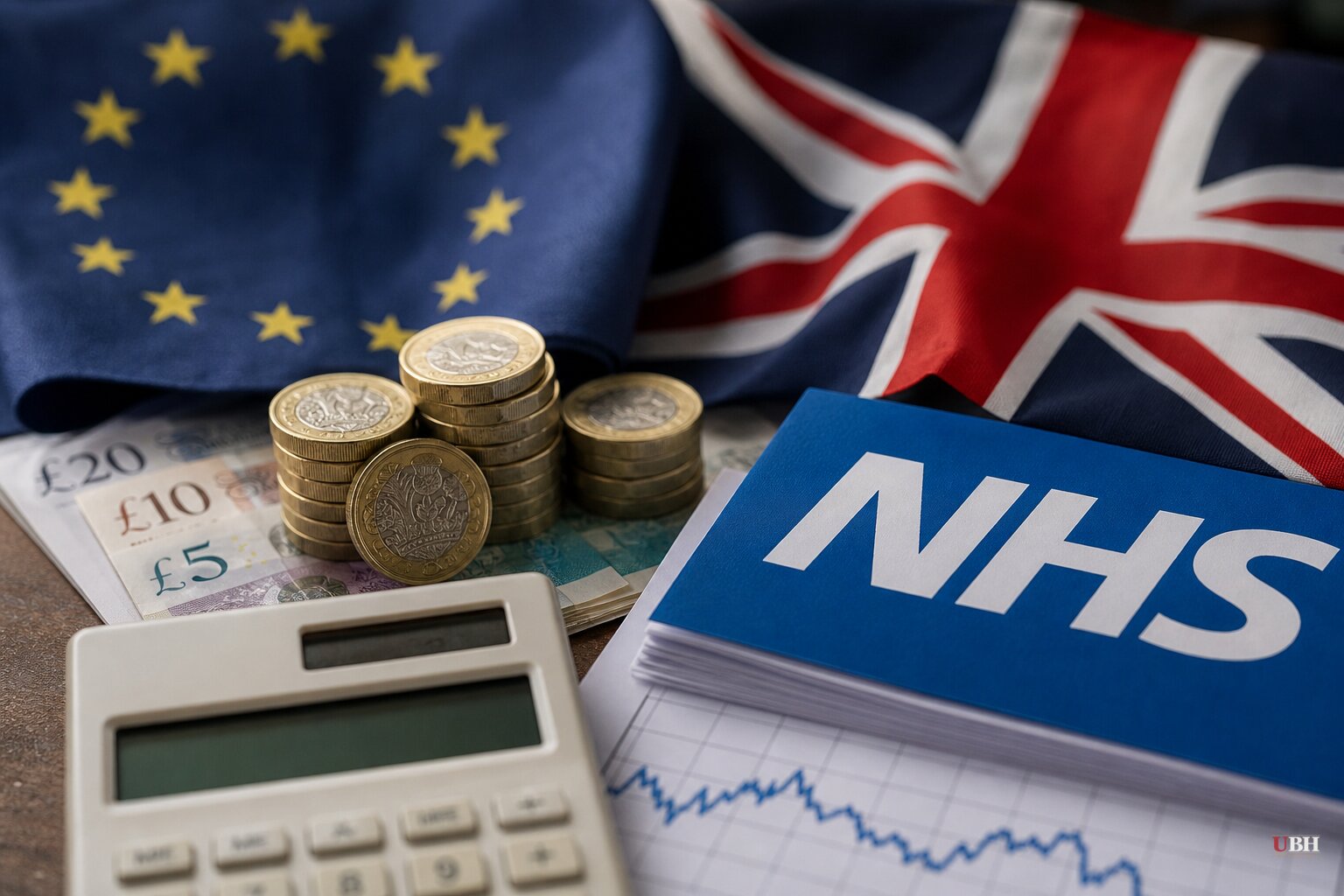
Stanford University economist Nick Bloom told The Independent that Brexit has knocked between 6 and 8 percent off UK GDP, a figure he says works out to roughly £3,000 a year for the average British person. Recover that money, he argues, and you could transform the NHS.
"Budgets would go up by about two-thirds; probably, waiting lists would disappear," Bloom said, according to The Independent. "Hospitals would be refurbished, you'd have better-paid doctors, better-paid nurses, better equipment."
Bloom is the co-author of research estimating the GDP hit, and he says roughly half the loss came from Brexit itself making UK-EU trade harder, with the other half coming from years of political chaos, multiple prime ministers, and delayed business investment while the deal got hashed out.
He also took a shot at the 2016 Leave campaign's most famous claim, the one plastered on the side of a bus promising £350 million a week for the NHS. Bloom called it "exactly and perfectly wrong." A version of the interview excerpted by the aggregator PressBee, dated Sunday, September 6, 2026, quotes Bloom going further, calling Nigel Farage a "spectre" impeding the UK's economic recovery.
Context Matters Here
Bloom gave this interview as part of The Independent's own editorial campaign, called "Europe: The Way Back," which explicitly calls for the UK to rebuild ties with the EU. That doesn't make his GDP research wrong. It does mean readers should know this wasn't a neutral academic Q&A. It was an interview conducted for, and framed by, an outlet actively campaigning for closer UK-EU relations.
The underlying arithmetic deserves scrutiny. Bloom's NHS math assumes that if the UK recovered that 6-8% of GDP, all of it would flow directly into health spending. The UK doesn't tax 100% of GDP. Tax revenue runs closer to a third to 40% of GDP in a normal year. So even in the rosiest scenario where the economy fully recovers Brexit losses, the government wouldn't automatically pocket the whole 6-8% to hand to the NHS. It would collect a share of it, the same share it collects of any other economic growth, and then it would still have to choose to spend that share on healthcare instead of defense, welfare, or debt interest. Bloom's framing is a useful illustration of scale, not a spending plan.
The Domestic Fight Over Money Is Already Happening
While Bloom talks about recovering Brexit losses through closer EU ties, the UK's new government is fighting a much more immediate money problem. According to Breitbart, newly installed Labour Prime Minister Andy Burnham was unable to answer questions during his first Prime Minister's Questions about what spending cuts his government would make, even as UK borrowing costs hit a three-decade high.
Reform UK, still in opposition, used the moment to unveil its own fiscal plan. Shadow Chancellor Robert Jenrick told The Telegraph, as reported by Breitbart, that a Reform government would cut £108 billion from the budget: £50 billion from welfare, £20-30 billion from what Jenrick called "leftist projects like net zero and foreign aid" plus civil service reductions, and £28 billion from lower debt interest payments as a result of the other cuts.
Jenrick has separately claimed that barring most foreign nationals, including EU citizens settled in the UK under Brexit's terms, from receiving British welfare benefits would save £21 billion a year by 2029, or about £700 per household. Those are Reform's own projected figures. They have not been independently verified by the Office for Budget Responsibility or any other outside body, and no such policy has been enacted.
"It seems that putting on a t-shirt and being a jovial northerner isn't enough to convince the markets you have got a strategy for the British economy, and they are taking fright," Jenrick told The Telegraph, referring to Burnham.
Two Very Different Diagnoses, Same Underlying Problem
Bloom's prescription is closer alignment with the EU to recover lost trade and GDP over time. Jenrick's prescription is deep, immediate cuts to welfare and government headcount. Both are responding to fiscal pressures facing the UK government, and neither Burnham's Labour government nor any other party has yet laid out a fully costed plan that independent forecasters have signed off on.
Burnham has not announced a specific spending-cuts package. No British government has opened formal talks to rejoin the EU single market or customs union. Reform's £108 billion plan is a campaign proposal from a party not currently in power, not enacted policy. The unresolved question is whether Britain's borrowing costs, sitting at a three-decade high according to Breitbart's reporting, will force Burnham's hand before the next election settles which of these competing diagnoses voters actually want.
Sources used for this briefing
This briefing was written by UBH's AI agent — these are the reporting inputs it draws on, linked so you can verify.


