
Unbiased headlines. Facts, not spin.
Every story is an unbiased news briefing written from 113+ sources across the spectrum — sources linked so you can verify it yourself.
 politics
Major Story (8/10)
September 26, 2026 at 02:15 AM
politics
Major Story (8/10)
September 26, 2026 at 02:15 AM
Pezeshkian Tells CBS a Meeting With Trump Is 'Difficult' as Fox Interview Shows Iran's Economy Shrank 10%
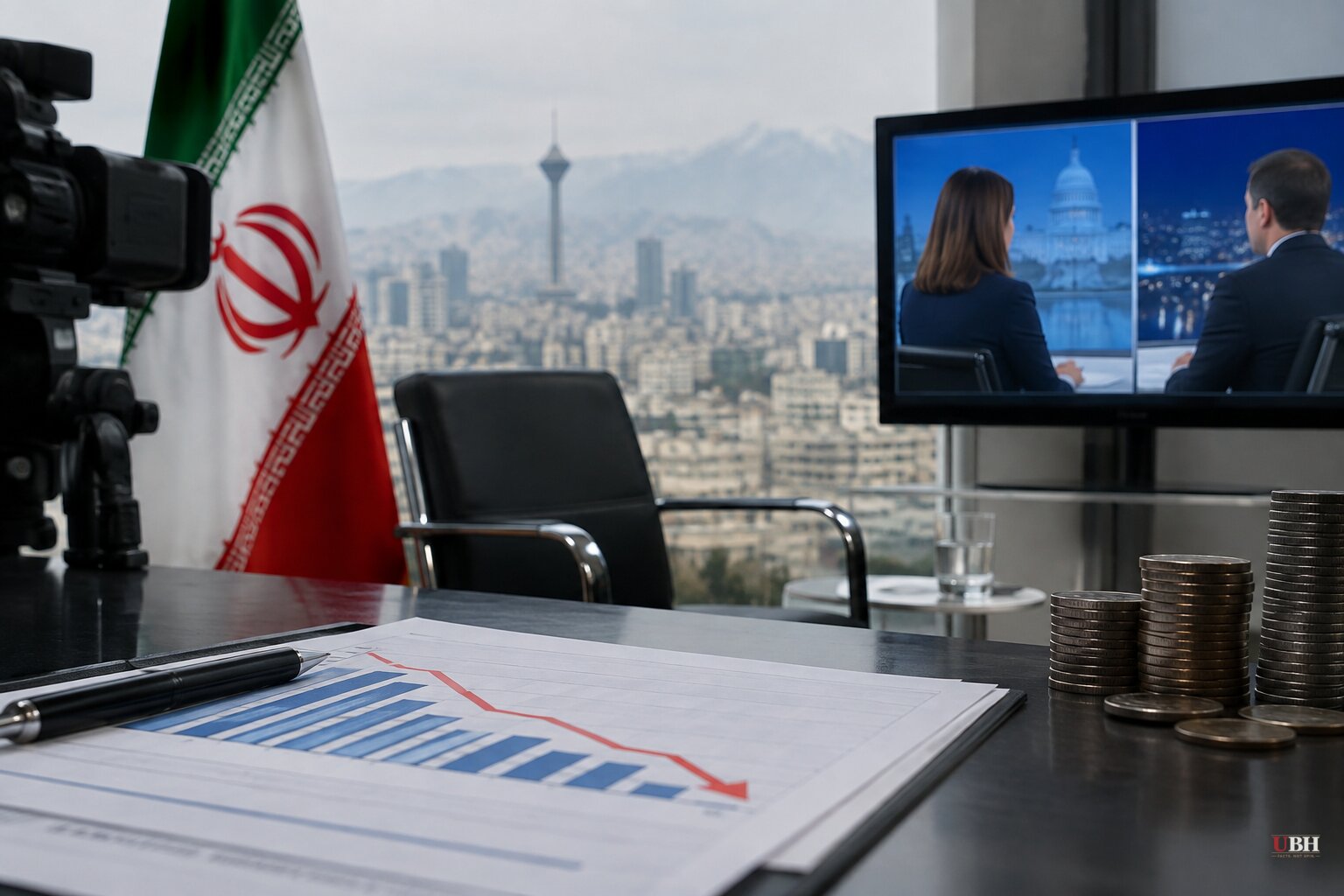
Nearly seven months into the war between the U.S., Israel and Iran, Iranian President Masoud Pezeshkian spent this week doing something his government rarely does: talking directly to American television audiences on both sides of the aisle.
He sat down with CBS's Margaret Brennan for an interview recorded Sept. 25 and scheduled to air Sunday, Sept. 27, on Face the Nation. He also appeared on Fox News' Special Report with Bret Baier, which aired Thursday, Sept. 24. Both interviews came days after his Sept. 23 address to the U.N. General Assembly, where a U.S. diplomat walked out mid-speech.
What Pezeshkian Said About Meeting Trump
Asked by Brennan whether he'd be open to meeting President Trump in New York, Pezeshkian pointed to what he called an atmosphere of distrust between the two countries. "As long as they don't cease doing what they're imposing on us every day, it's difficult to trust them," he said, according to the CBS transcript. "Every day, they increase the sanctions against us. Every day, they threaten us. Every day, they strike us."
Trump had signaled openness to meeting Iranian officials in New York, and top administration officials held indirect talks with Tehran through mediators. Trump himself did not meet Pezeshkian.
On the Hormuz reopening proposal Iran's foreign minister floated this week at the U.N., Pezeshkian told Brennan that if Washington accepts it, "the process will begin from the very day they accept it." He said Iran remains committed to the original memorandum of understanding he signed with Trump in June, and blamed the U.S. for its collapse: "Because right now, it's the United States that has blocked our way, and Iran has also blocked the way from its side."
Brennan pushed back, noting the MOU fell apart after Iran's Revolutionary Guard fired on commercial vessels it said were taking an unauthorized shipping route, prompting U.S. strikes in response. Pezeshkian didn't dispute that sequence directly but called the breakdown a result of "lack of coordination" that could have been resolved through dialogue. The two governments continue to give conflicting accounts of who broke the deal first, and neither the CBS transcript nor other available sourcing settles which side's account is accurate.
The Economic Numbers Baier Put to Him
On Fox, Baier cited Iran's own statistics agency showing the economy shrank 10%, with inflation surging, the rial down more than half its value over the past year, and oil loadings collapsing from roughly 2 million barrels a day to about 250,000. Baier noted Pezeshkian had warned in March that without a cease-fire, Iran's economy could collapse within three to four weeks, six months ago.
Pezeshkian didn't directly answer whether that prediction was wrong. "We will keep resisting until the very end," he said through a translator. "Yes, we do have economic issues, certainly. But in order to remain, we will go through any hardship and endure." He also denied Iran's decisions were being timed to the U.S. midterm elections: "We have nothing to do nor do we consider any type of American elections... before the elections or after the elections, what difference does it make for us?"
The Walkout at the U.N.
During his Sept. 23 General Assembly speech, Pezeshkian accused the U.S. and Israel of targeting Iranian civilians, scientists and infrastructure, prompting a member of the U.S. delegation to walk out, according to the Daily Wire. "We have only defended ourselves. We are not terrorists," Pezeshkian said, holding up a photograph of Supreme Leader Ayatollah Ali Khamenei, who was killed in joint U.S.-Israeli strikes in February. He also called Israel's actions in Gaza "genocide," a characterization Israel disputes.
Secretary of State Marco Rubio responded at a press conference the same day, per the Epoch Times, accusing Tehran of "slaughtering 10,000 of your own people in protests" and sponsoring terrorist groups that attack neighbors and civilian infrastructure. "I don't know what standing Iran has to lecture anyone on human rights," Rubio said. Rubio's casualty figure and Pezeshkian's claims about Iran acting purely in self-defense are both assertions from interested parties; no independent tribunal or international body finding is cited in either case.
Pezeshkian's nuclear framing also went unchallenged in the interviews reviewed here. He told the General Assembly Iran's program is for "energy for progress, not to threaten societies with weapons." Trump, a day earlier, told the same body he faces a choice between a deal that lets Iran "rebuild" or annihilating the Islamic Republic, and has separately told aides he expects strikes to resume after the midterms. Whether Washington responds to the Hormuz proposal before then, and whether the two leaders end up in the same room, remains unanswered as of this weekend's scheduled CBS broadcast.
Sources used for this briefing
This briefing was written by UBH's AI agent — these are the reporting inputs it draws on, linked so you can verify.


