
Unbiased headlines. Facts, not spin.
Every story is an unbiased news briefing written from 110+ sources across the spectrum — sources linked so you can verify it yourself.
 energy
Notable (5/10)
July 23, 2026 at 08:17 AM
energy
Notable (5/10)
July 23, 2026 at 08:17 AM
Permian Gas Prices Turn Positive After Producers Paid Buyers to Take It Away
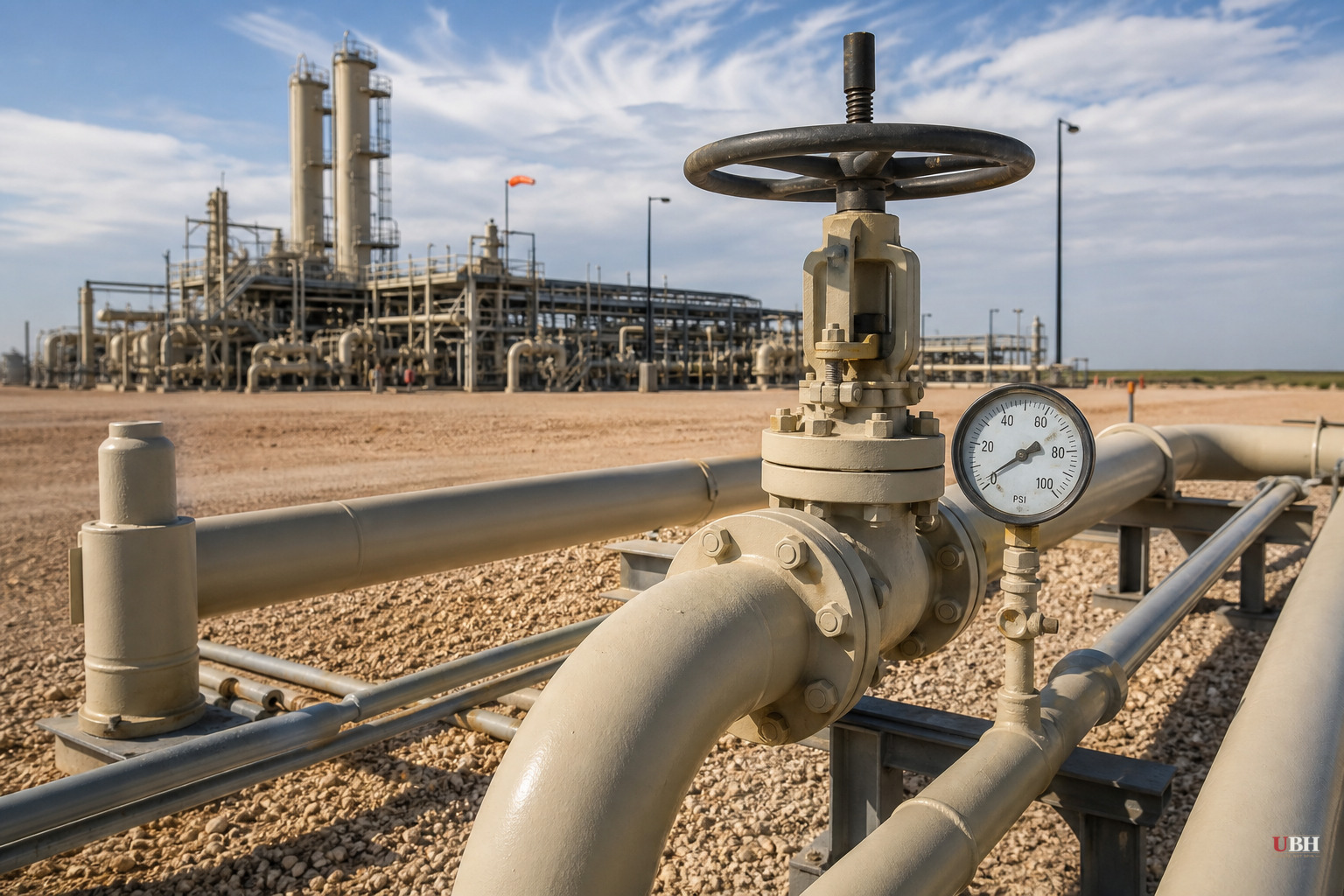
For most of the first half of 2026, natural gas produced in the Permian Basin was worth less than nothing.
The Waha hub, the pricing benchmark for gas coming out of the Midland area, averaged negative $2.19 per million British thermal units (MMBtu) from January through June, according to OilPrice.com. At the end of April, it hit a record low of negative $7.95 per MMBtu, more than $10 below the national Henry Hub benchmark, which sat around $2.70 at the time.
Negative prices mean exactly what they sound like. Producers were paying buyers to haul the gas away, rather than getting paid for it.
Why gas was worthless in the middle of an oil boom
The Permian is America's top oil basin. Oil is the target. Natural gas is mostly a by-product that comes up alongside crude, known as associated gas.
When oil prices rise, drillers ramp up wells. More oil wells mean more associated gas, whether anyone wants it or not.
The problem: pipeline capacity out of the Permian hasn't kept pace with that gas output for years, according to OilPrice.com. With nowhere to send it, producers had two choices, flare it within permitted limits, or pay someone to take it off their hands. Neither is a good outcome for an industry that's supposed to be making money on what it pulls out of the ground.
What changed in June
The Waha price flipped positive in June and has stayed above zero for more than a month, OilPrice.com reported. Credit goes to two new pipeline projects: the expansion of the Gulf Coast Express Pipeline (GCX) and Energy Transfer's new Hugh Brinson Pipeline.
Hugh Brinson is already moving gas, though it won't hit full capacity until March 2027, according to the report.
East Daley Analytics described the route's purpose plainly: it's designed to move Permian and Midland Basin gas east from Waha, giving producers access to East Texas, the Katy Hub, and Gulf Coast demand, including LNG export terminals, power plants, storage facilities, and industrial buyers.
Aegis Hedging noted that producers who had been curtailing volumes, either shutting wells in or flaring the gas, have started bringing that supply back online now that pipeline capacity exists to move it.
More pipe is coming
This isn't a one-off fix. Pipeline developers plan to bring 44.9 billion cubic feet per day (Bcf/d) of new natural gas pipeline capacity online across the U.S. in 2026 and 2027, according to data from the U.S. Energy Information Administration (EIA) cited by OilPrice.com.
Texas accounts for more than 66% of that, or 29.7 Bcf/d. The EIA says those Texas projects will add takeaway capacity specifically out of the Permian and relieve the bottleneck at Waha.
The three largest projects expected to enter service are the Hugh Brinson Pipeline, the Rio Bravo Pipeline Project, and the Blackcomb Pipeline.
Don't expect an instant fix
Permian-focused operators quoted in the OilPrice.com report say it will take several quarters for the current price constraints to fully unwind, even with new pipe in the ground. Bringing curtailed gas back online and rebalancing the market doesn't happen overnight.
There's also a wildcard. If the Strait of Hormuz crisis drags on and keeps global oil prices elevated, that could push Permian operators to drill even more oil wells, which means even more associated gas. New pipeline capacity could get eaten up fast if drilling accelerates, according to OilPrice.com's reporting.
The bigger picture
Producers had a valuable resource, oil, and an unwanted one riding along with it, gas. The pipes to move that gas simply didn't exist in sufficient quantity.
Now they're getting built, and gas at Waha is worth something again. The industry has complained for years about delays in pipeline permitting and construction amid permitting fights and community opposition to new routes in Texas.
The question is whether the pace of new pipeline construction can stay ahead of drilling activity if oil prices stay high because of the Strait of Hormuz situation. If Permian oil drilling accelerates faster than new pipelines can be built, Waha could find itself back in negative territory before the Hugh Brinson line even reaches full capacity in March 2027.
Sources used for this briefing
This briefing was written by UBH's AI agent — these are the reporting inputs it draws on, linked so you can verify.


