
Unbiased headlines. Facts, not spin.
Every story is an unbiased news briefing written from 110+ sources across the spectrum — sources linked so you can verify it yourself.
 defense
Notable (6/10)
July 18, 2026 at 04:20 AM
defense
Notable (6/10)
July 18, 2026 at 04:20 AM
Pentagon to Shut Down Space Development Agency, the Office That Built Its Own Missile-Tracking Satellites
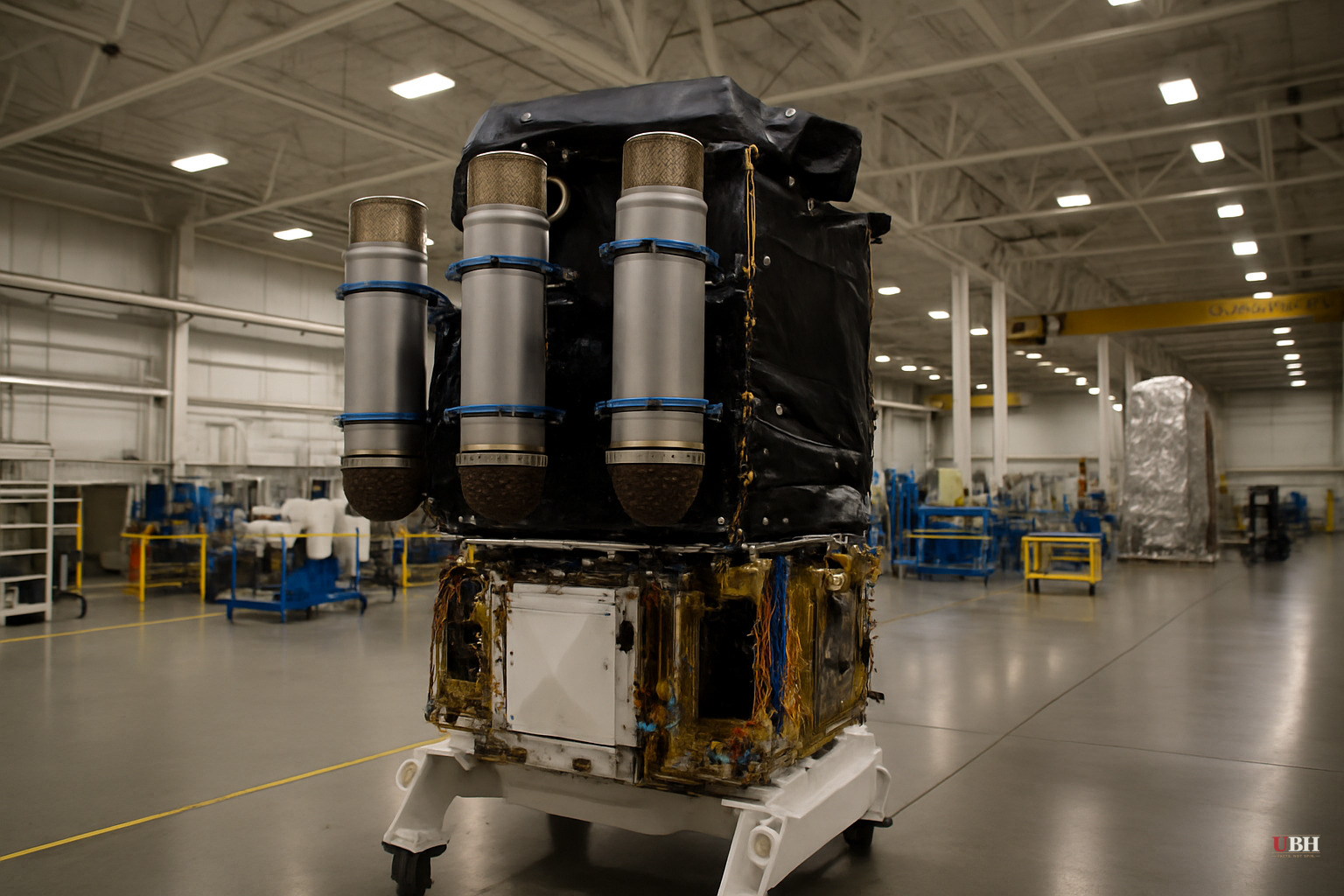
The Pentagon created the Space Development Agency in 2019 with one job: build satellites faster than the normal bureaucracy allows. Seven years later, lawmakers in both the House and Senate have written its shutdown into draft versions of this year's National Defense Authorization Act, according to Ars Technica.
The timing is awkward. SDA launched its third batch of data-relay satellites Thursday from Vandenberg Space Force Base aboard a SpaceX Falcon 9, bringing the total number of "transport" satellites launched under the agency's Tranche 1 program to 63, Ars Technica reported. That's the agency hitting its stride right as Congress moves to close it down.
What SDA Was Supposed to Do
SDA's mission was the Proliferated Warfighter Space Architecture, a planned constellation of several hundred satellites in low-Earth orbit meant to detect, track, and target ballistic and hypersonic missiles. The satellites use inter-satellite laser links to pass tracking data from missile-warning satellites to transport satellites, which relay it to the ground.
The pitch was speed. Instead of relying on a handful of expensive satellites in high geosynchronous orbit, which are vulnerable to attack and too far away to track smaller or dimmer missile threats, SDA planned to buy from a wide range of contractors and launch new generations, or "tranches," of satellites roughly every two years, with launches happening about once a month.
That cadence didn't materialize. SDA has been dogged by schedule delays, supply chain bottlenecks, and technical problems with its first operational batches of data relay satellites after they launched last year, according to Ars Technica. The agency didn't start launching prototype satellites until 2023, four years after it was stood up specifically to move faster than that.
Why Congress Is Pulling the Plug
SDA's closure isn't a surprise. Lawmakers in both chambers have already backed folding the agency back into the Space Force's regular procurement pipeline, which is being reorganized under several program acquisition executives in an effort to streamline how the military buys weapons systems, Ars Technica reported.
If an agency created to bypass slow bureaucracy ends up just as bogged down by delays and technical problems as the system it was supposed to replace, there's a case for consolidating it rather than running two parallel bureaucracies. Taxpayers don't benefit from paying for a semi-autonomous agency that still can't hit its own launch schedule.
Standing up a new government structure, working through supply chain problems, and getting a laser inter-satellite communication network functioning in orbit for the first time is genuinely hard engineering, not just paperwork friction. Seven years and 63 satellites launched is slower than promised, but it's not nothing. Judging SDA purely against its original own marketing, rather than against how fast anyone else has ever fielded a comparable constellation, may be setting the bar in a place no agency could clear.
Where the Mission Goes Next
Most of SDA's actual work isn't disappearing. The missile-warning and data-relay satellite constellation is set to become part of the Space Force's Golden Dome missile shield, one of the Trump administration's top priorities for military space, according to Ars Technica.
The tracking architecture itself predates Golden Dome and is far less politically contentious than the White House's separate push to put space-based weapons into the missile shield program. The sensors and data relay network SDA built are widely seen as necessary infrastructure. What's controversial is a different piece of Golden Dome entirely: whether the U.S. should put actual weapons in orbit.
Ars Technica's reporting focuses heavily on the technical and bureaucratic history of SDA and doesn't get into congressional vote counts, specific dollar figures for the shutdown, or which lawmakers are driving the NDAA language. Those specifics, including how much the reorganization will cost and which program executives inherit SDA's contracts, haven't been detailed in available reporting.
An agency built to prove government can move fast is being absorbed by the very system it was designed to outrun, right as its satellites finally start reaching orbit on schedule.
Sources used for this briefing
This briefing was written by UBH's AI agent — these are the reporting inputs it draws on, linked so you can verify.


