
Unbiased headlines. Facts, not spin.
Every story is an unbiased news briefing written from 110+ sources across the spectrum — sources linked so you can verify it yourself.
 energy
Notable (6/10)
July 23, 2026 at 07:39 AM
energy
Notable (6/10)
July 23, 2026 at 07:39 AM
Pentagon Seeks Up to $300 Million in Lithium for Defense Stockpile, With Zimbabwe in the Mix
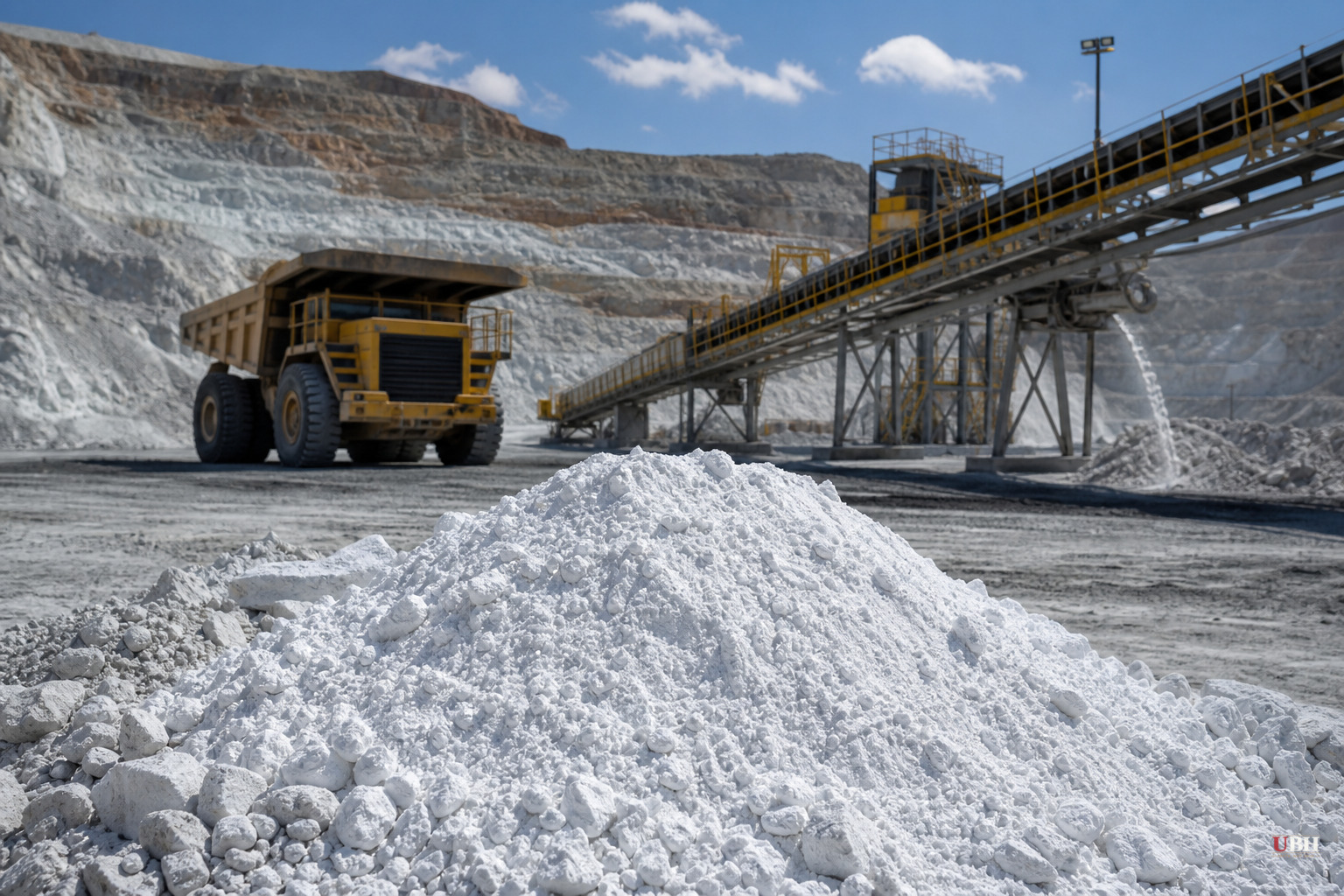
The Pentagon wants lithium. A lot of it.
The Defense Logistics Agency, the arm of the Department of Defense that manages the National Defense Stockpile, is seeking supplier bids for close to 36 million pounds, about 16,000 tons, of battery-grade lithium carbonate over the next five years. The contract could be worth up to $300 million, according to a tender document published on a U.S. government website and reported by Bloomberg.
The DLA set a floor of $1 million and a ceiling of $300 million on total spending, and asked bidders to submit fixed prices for delivery spread across five years. Proposals were due July 17.
Lithium carbonate is the core ingredient in batteries for electric vehicles, energy storage systems, and a growing list of defense technologies. Prices for it have jumped more than a third this year alone, driven by demand optimism and supply uncertainty out of major producers including China and Zimbabwe, according to Bloomberg's reporting as relayed by Mining Index Zimbabwe.
The DLA had already floated this idea back in March, when it sought information from industry on stockpiling critical minerals including lithium. This new tender is the follow-through. It also fits into a bigger pattern: the U.S. Army has struck deals with private companies to build mineral processing plants on military bases, and the White House earlier this year launched Project Vault, a $12 billion critical-minerals stockpiling initiative aimed at the private sector.
Beijing controls the lion's share of global lithium processing capacity, regardless of where the raw ore comes from. Washington's stockpile push is explicitly about reducing that chokehold, a point Mining Index Zimbabwe's reporting makes plainly: critical minerals have become "a political priority for the US in order to slash reliance on China."
Where Zimbabwe Fits
The DLA's tender document does not name any supplying country. Nobody at the Pentagon has said Zimbabwe is getting this contract, or any part of it.
But Zimbabwe's position in the global lithium market is significant. The country remained Africa's largest lithium producer in 2024 and has kept growing since. Zimbabwe sold 586,197 metric tonnes of lithium concentrate in the first half of 2025, up 30% from 451,824 metric tonnes in the same period the year before, according to Business Insider Africa. Projections cited by that outlet put Zimbabwe on track to produce around 160,000 tonnes of lithium carbonate equivalent annually by 2030, well ahead of other African producers.
That scale creates complications for Washington's goal of cutting out China. Zimbabwe's lithium boom has been substantially built by Chinese capital. Huayou Cobalt, a Chinese battery-materials manufacturer, paid $378 million to take majority control of the Arcadia Lithium Mine near Harare and committed $300 million to build a processing plant designed to produce 400,000 tonnes of lithium concentrate a year, according to a 2022 company statement reported by deVere Zimbabwe. That plant was meant to employ up to 900 workers, mostly locals, once fully operational.
The same country the Pentagon might look to as a China alternative has its flagship lithium project bankrolled by a Chinese firm. The DLA's tender document does not say where the lithium will come from. Whether U.S. stockpile purchases can meaningfully route around Chinese-controlled supply chains when so much of the raw material, wherever it's mined, still passes through Chinese-owned processing and Chinese-financed mines remains unclear.
Zimbabwe's government has its own play here too. The country has moved to restrict or halt exports of raw lithium concentrate, pushing instead for in-country processing so it captures more value from the mineral rather than shipping it out cheap and buying back finished batteries later, according to Business Insider Africa's earlier reporting on the policy. That push toward domestic processing could eventually make Zimbabwe a source of higher-value lithium products, not just raw ore, which would matter to a Pentagon buyer looking for finished battery-grade carbonate rather than concentrate.
None of the three source documents indicate that Zimbabwean firms have submitted bids or that any specific mine, Zimbabwean or otherwise, has been chosen. The DLA's public tender process means eligible suppliers, wherever they're based, could compete for the contract, and the agency's stated goal is diversifying away from China-controlled supply, not necessarily favoring any single country.
The next concrete marker is what the DLA does with the bids it received by the July 17 deadline. Whether any awarded contract touches Zimbabwean-sourced lithium, and how the agency handles the reality that Chinese capital sits inside much of that supply, is something the Pentagon hasn't yet addressed publicly.
Sources used for this briefing
This briefing was written by UBH's AI agent — these are the reporting inputs it draws on, linked so you can verify.


