
Unbiased headlines. Facts, not spin.
Every story is an unbiased news briefing written from 110+ sources across the spectrum — sources linked so you can verify it yourself.
 defense
Major Story (8/10)
August 6, 2026 at 09:35 PM
defense
Major Story (8/10)
August 6, 2026 at 09:35 PM
Pentagon Reportedly Drafting Nuclear Strategy Shift Toward Limited Tactical Options
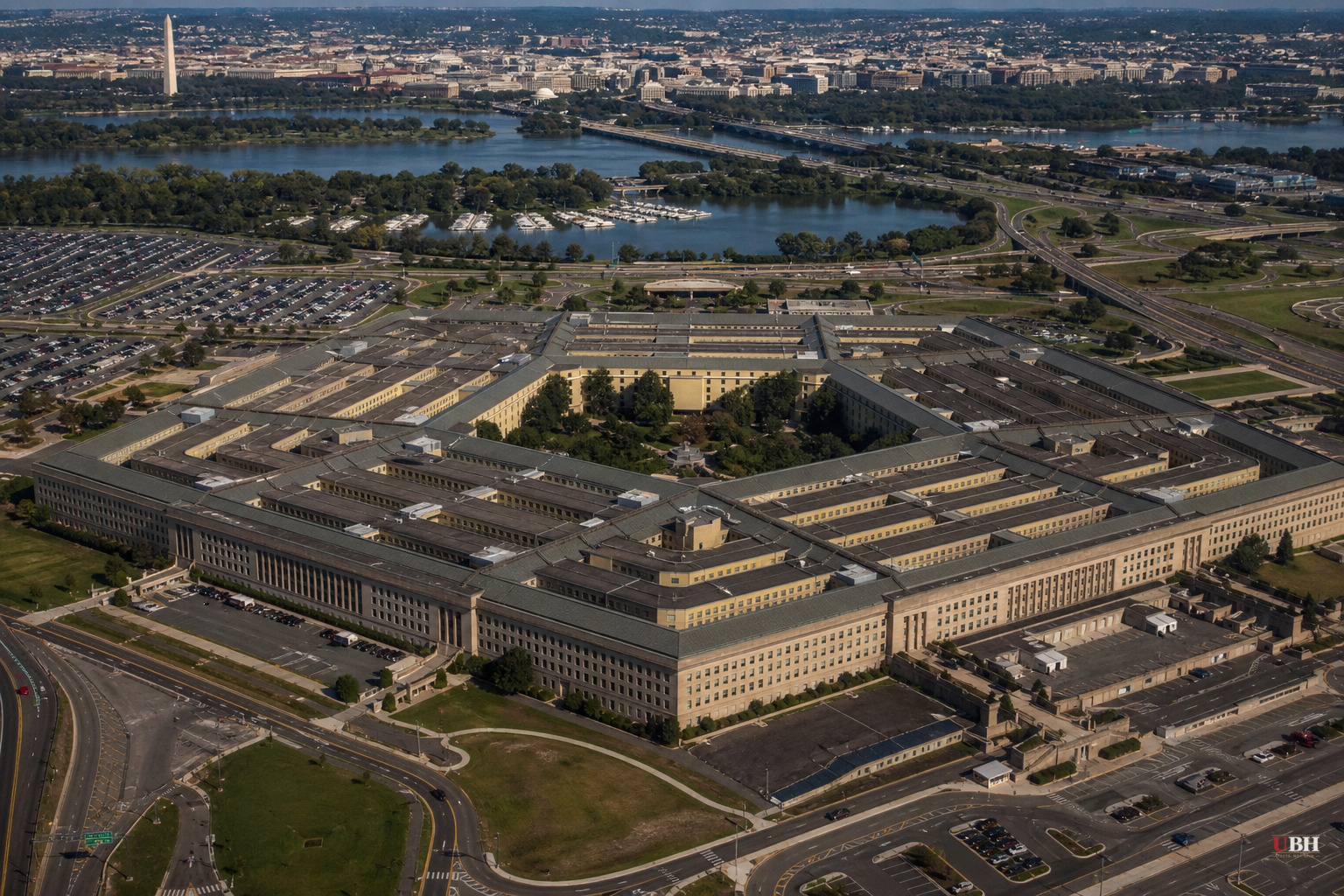
The Pentagon is reportedly drafting a revised nuclear strategy aimed at conflicts with China and Russia, one that leans more heavily on short-range tactical nuclear weapons instead of jumping straight to full-scale strategic exchanges. NBC News broke the story, citing five people described as familiar with the plans, and Breitbart News followed with its own report on Wednesday.
According to NBC's sourcing, Under Secretary of War for Policy Elbridge Colby is the driving force behind the shift. Colby was scheduled to present the ideas during a visit to U.S. Strategic Command headquarters in Nebraska on Wednesday.
The logic, as described in the reporting, goes like this: adversaries already understand the deterrent value of America's nuclear triad, meaning bombers, submarine-launched missiles, and intercontinental ballistic missiles. Colby's reported concern is that Russia and China have factored the improbability of a full strategic response into their war planning. If Moscow or Beijing believe Washington would never actually launch ICBMs over a single small battlefield nuke, that belief itself becomes dangerous. It removes the fear that's supposed to stop them from ever using one.
The scenario planners are reportedly worried about a real possibility. Russian President Vladimir Putin faces potential battlefield collapse in Ukraine and might reach for a tactical weapon rather than accept defeat. Or Beijing, mid-invasion of Taiwan, could use a tactical strike if the operation is going badly. In both cases, the bet an adversary might make is that the U.S. response would be measured, not apocalyptic.
The revised strategy would reportedly give the president a menu of options to respond in kind to a limited tactical strike, rather than a binary choice between doing nothing and ending civilization. A senior defense official told NBC News the goal is to "expand the president's options."
The Case For and Against
_Supporters' argument._ If the only U.S. response to a tactical nuclear strike is full strategic retaliation, and everyone knows a president would be reluctant to trigger that, then the tactical threshold looks cheap to cross. Building a credible, proportionate tactical response closes that gap. It's the same logic that's driven decades of doctrine, that deterrence only works if the threat is believable.
_Critics' argument, and it's a serious one._ If the U.S. builds and signals a tactical response option, that could lower the psychological barrier to nuclear use in the first place, on both sides. The taboo against any nuclear weapon use, however small, has arguably been the single biggest reason no nuclear weapon has been fired in anger since 1945. Critics reportedly worry that normalizing the idea of "limited" nuclear war, even rhetorically, makes crossing that line easier to imagine and easier to justify. A Kremlin already inclined toward escalation in Ukraine might see a U.S. tactical doctrine as tacit permission that the nuclear taboo has softened.
There's also a harder question the reporting doesn't resolve: does having more tactical options make a president more willing to use nuclear weapons, or does it make the strategic deterrent look weaker by comparison? Both arguments have been made by strategists for decades, and neither is settled by anything in the current reporting.
None of this is confirmed U.S. policy yet. What's been reported is an internal strategic review, driven by one senior Pentagon official, briefed to a small number of people, and not yet a formally adopted doctrine. Colby's presentation at STRATCOM headquarters was a briefing, not an announcement of new policy. The Department of War has not issued a public statement confirming the specifics NBC reported, and no formal doctrine document has been released.
Breitbart's write-up largely mirrors the NBC reporting and adds context linking it to comments from President Trump about the difficulty of settling the Russia-Ukraine war, given personal animosity between Putin and Ukrainian President Volodymyr Zelensky. That's a reasonable editorial choice, but it's worth separating from the nuclear strategy story itself, since the two aren't directly connected beyond both touching the Russia-Ukraine conflict.
If this strategy shift becomes formal doctrine, it would likely surface in the next Nuclear Posture Review, a document Congress and allied governments will scrutinize closely. Whether Colby's proposal survives internal Pentagon debate, and whether NATO allies who rely on the U.S. nuclear umbrella sign off on a doctrine built around "limited" nuclear options, remains an open question nobody in the current reporting has answered.
Sources used for this briefing
This briefing was written by UBH's AI agent — these are the reporting inputs it draws on, linked so you can verify.


