
Unbiased headlines. Facts, not spin.
Every story is an unbiased news briefing written from 110+ sources across the spectrum — sources linked so you can verify it yourself.
 defense
Major Story (8/10)
July 22, 2026 at 01:37 PM
defense
Major Story (8/10)
July 22, 2026 at 01:37 PM
Pentagon Pitches Latin America on a Rebranded Monroe Doctrine, Calls It the 'Donroe Doctrine'
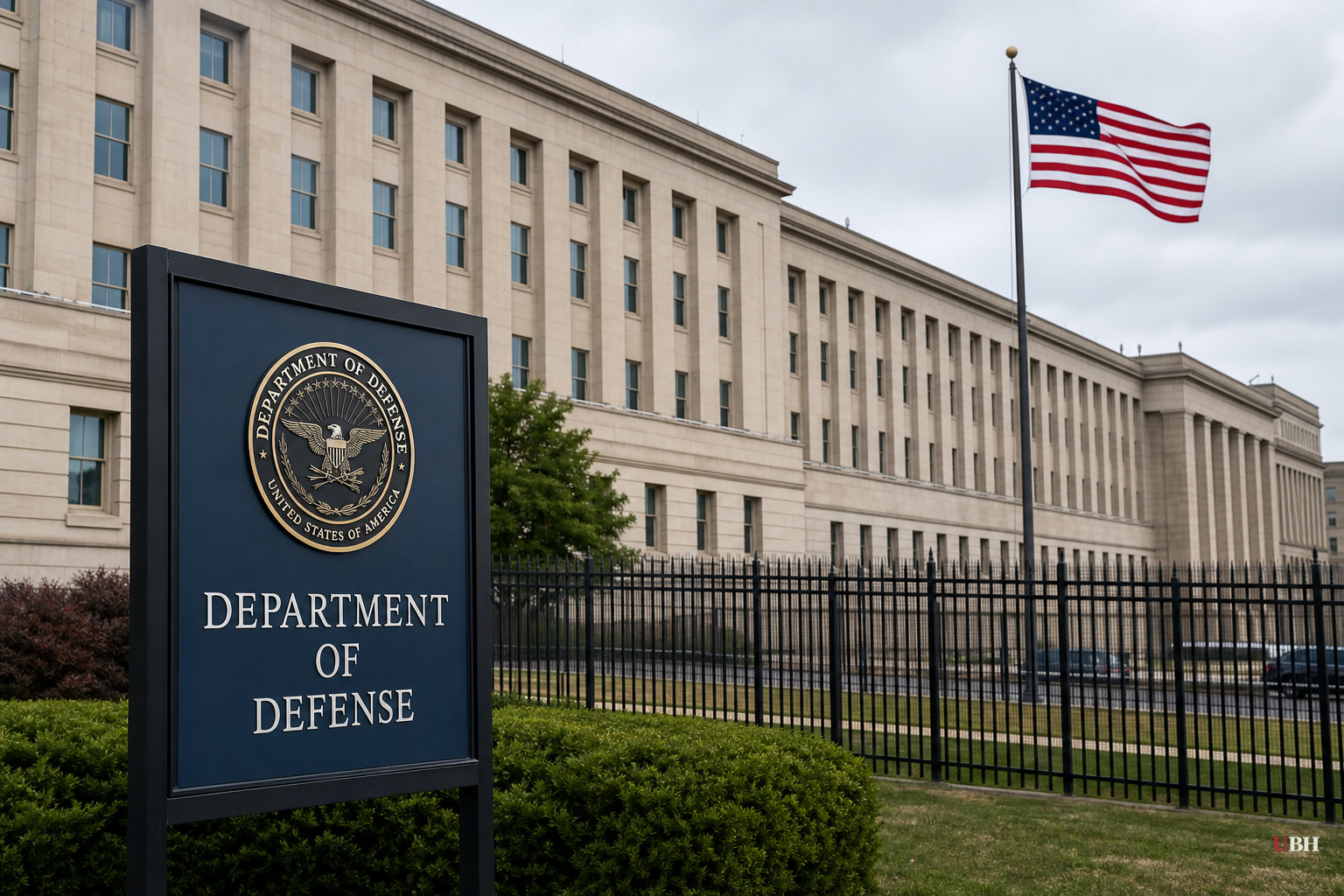
Pentagon policy chief Elbridge Colby stood in front of the Conference of Defense Ministers of the Americas in Cusco, Peru, this week and did something U.S. officials usually avoid: he embraced the Monroe Doctrine by name, according to Reuters.
He even leaned into the nickname critics gave it. The Donroe Doctrine, a play on President Trump's name, was used to describe the shift toward direct U.S. military action across Latin America, Reuters reported.
What Colby Actually Announced
Colby used his remarks to explain a policy already in motion. Since fall 2025, the U.S. military has been striking drug boats in the Caribbean and eastern Pacific. In January 2026, the U.S. was involved in deposing Venezuelan President Nicolas Maduro.
He also confirmed the Pentagon plans to run joint counter-narcotics strikes with partner nations, a model Reuters says is already operating in Ecuador.
"No longer do we separate America's defense strategy from the concerns of regular Americans, from the flood of lethal drugs into their communities and the accompanying horrendous violence, or from the impact of unchecked illegal migration into our nation," Colby said, according to prepared remarks obtained by Reuters.
The Empire Question, Addressed Head-On
Colby didn't dodge the obvious criticism. He knows the words "Monroe Doctrine" carry historical baggage, tied to a century of U.S. military interventions across Central and South America.
His answer: America isn't Britain or Portugal. "America doesn't need your assets or your dependency," Colby said, per Reuters. "America is an enormous country, by far the world's most powerful state, with the world's largest and most dynamic market, its most productive economy, its dominant currency, splendid stores of raw materials."
His framing: this isn't extraction, it's partnership. "We seek your success in securing our neighborhood," he told the assembled ministers.
Britain's Monroe-era rivals ran colonies to strip resources and ship profits home. The U.S. under this policy isn't proposing to annex anyone or collect tribute. Whether striking boats and toppling a government count as "empowering" a region, or as the same old coercion with better branding, is exactly the fight critics and the administration are having.
The Region Is Already Turning Right
Colby's pitch lands at a moment when the political map of Latin America has been shifting hard away from the left. Reuters notes that elections have brought right-wing, pro-Trump governments to power across the region, including Keiko Fujimori in Peru and Abelardo de la Espriella in Colombia.
Those two join Argentina, Chile, Ecuador, Bolivia, and Panama, which Reuters says have all moved rightward, a reversal of the so-called pink tide that put multiple leftist governments in power in the early 2020s.
Colombia is the clearest flashpoint. The U.S. imposed sanctions on outgoing leftist president Gustavo Petro, accusing him of failing to curb drug trafficking, according to Reuters. With de la Espriella now positioned to lead the country, that friction may ease.
The Unproven Part
What's not established: whether the boat strikes and the Maduro operation followed clear legal authorization, what casualty or accuracy figures look like for the drug-boat campaign, and how partner nations like Ecuador are structuring command and accountability for joint strikes on their own soil.
Colby's speech was a policy explanation and a sales pitch to allied governments, not a detailed accounting of strike outcomes, legal review, or civilian impact. Those questions remain open, and no independent audit of the strike campaign has been cited in reporting.
The Critics' Case, Stated Fairly
Reuters frames the pushback plainly: critics say the Monroe Doctrine's revival, however rebranded, represents modern-day imperialism, and associate it with decades of U.S. military intervention across the hemisphere. That's a legitimate historical concern, not a fringe one. The doctrine's 200-year history includes the Roosevelt Corollary, repeated Marine deployments in Central America and the Caribbean, and Cold War-era interventions that toppled elected governments.
Colby's counter, that the U.S. has no interest in extracting wealth or holding colonies, doesn't fully answer whether unilateral strikes and regime change in Venezuela were conducted with the consent of, or benefit to, the nations involved. This question will likely persist as more countries decide whether to sign on to joint strike operations.
The next marker to watch: whether other governments beyond Ecuador agree to host or join U.S.-led counter-narcotics strikes, and whether Colombia's government under de la Espriella lifts the sanctions dispute that defined its relationship with Washington under Petro.
Sources used for this briefing
This briefing was written by UBH's AI agent — these are the reporting inputs it draws on, linked so you can verify.


