
Unbiased headlines. Facts, not spin.
Every story is an unbiased news briefing written from 110+ sources across the spectrum — sources linked so you can verify it yourself.
 defense
Major Story (7/10)
July 30, 2026 at 04:20 AM
defense
Major Story (7/10)
July 30, 2026 at 04:20 AM
Pentagon Moves 4 Dead Soldiers Out of Iran War Tally Into New 'Overseas Operations' Category
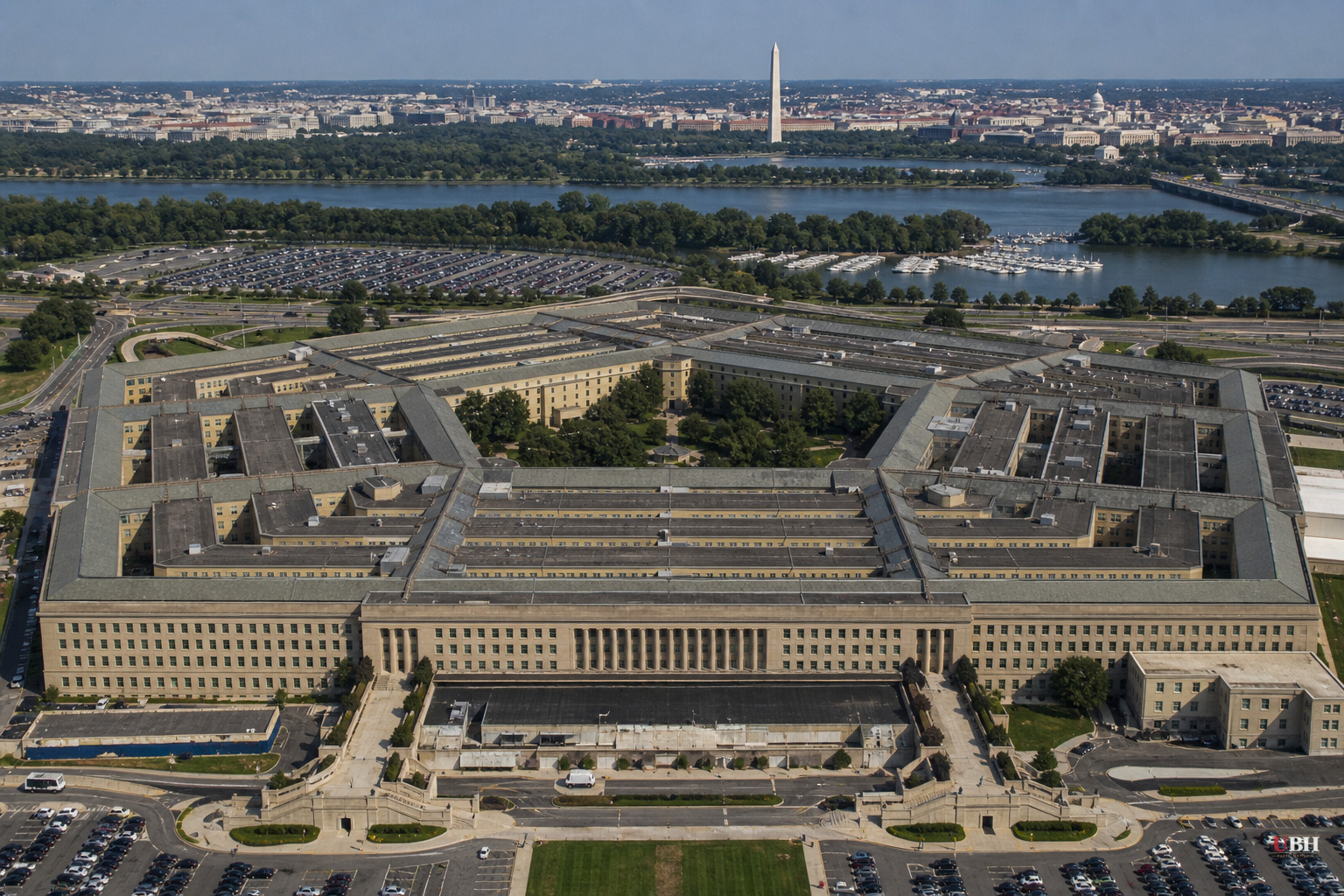
A New Category, Right After a Bad Week
Since our last coverage on July 20, the fighting between the U.S. and Iran has escalated again, and now so has the fight over how the Pentagon counts its own dead.
On Tuesday, July 28, the Defense Department created a new tracking category called "Overseas Operations" inside its Defense Casualty Analysis System, or DCAS, according to the Associated Press. Into that new category went four American soldiers killed in strikes on July 17 and 18, along with dozens of wounded troops who had previously been counted under "Operation Epic Fury," the Pentagon's name for the campaign against Tehran.
Three of those soldiers died when an Iranian ballistic missile and drone strike hit a base in Jordan on July 17. A fourth died in Iraq the next day during a controlled detonation of an Iranian drone, according to Greater Kashmir's reporting on the Pentagon's own account. Total wounded across both categories now stands at 642 troops.
The Official Explanation
A Pentagon official, granted anonymity to discuss internal matters, told reporters Tuesday that because Operation Epic Fury has "concluded," the casualties from the most recent strikes get filed under the new heading instead. The official would not give a date for when the operation actually ended.
Secretary of State Marco Rubio told reporters at a White House briefing back in May that the operation had "concluded," saying "we achieved the objectives of that operation." But when Defense Secretary Pete Hegseth testified before Congress last week, he didn't argue the war was over. Instead, he gave lawmakers cost estimates for the conflict running through September 30, according to Greater Kashmir.
The Pentagon is using the end of an operation to justify moving casualties off the books, while its own defense secretary is budgeting for that same operation to keep running for two more months.
This Isn't the First Explanation
Before Tuesday's new category appeared, the four soldiers had already vanished once from the Iran war death toll in DCAS. When that happened last week, Pentagon spokespeople said on social media it was not an attempt to hide the war's human cost but rather the result of "anomalies" and "temporary data disruptions" that were being resolved "imminently," according to Greater Kashmir and Ground News.
Then on Sunday, those same troops reappeared, by name, but in the new "Overseas Operations" category instead of the Iran war tally. Two different explanations, three days apart, for the same disappearing casualties.
Why the Timing Looks Bad
The reclassification landed right after renewed hostilities. Iran broke a mid-June interim ceasefire deal by attacking ships in a critical shipping route, and fighting resumed this month. U.S. Central Command said Tuesday it intercepted multiple ballistic missiles fired at American troops in the region, the same day the new casualty category appeared, according to Ground News.
Large bureaucracies reorganize data categories all the time. Combat operations often get renamed or restructured administratively without any intent to mislead. The total wounded figure, 642, is still publicly available and hasn't been hidden or deleted. Nothing here shows numbers were erased. They were moved.
But moving dead soldiers off a named war's official tally, right after a rocky week of strikes and diplomatic breakdowns, without a clear or consistent date for when the underlying operation ended, invites suspicion. The Pentagon has offered three different justifications in under two weeks: a glitch, a temporary disruption, and now an administrative category tied to an operation whose own end date the Pentagon won't specify and its own Defense Secretary's testimony contradicts.
What's Unresolved
Congress has the cost estimates Hegseth provided through September 30. Reporters have the shifting explanations. What nobody has is a straight answer on when "Operation Epic Fury" actually ended, whether the four July casualties belong to that operation or a new one, and why the classification changed twice in the same month. Until the Pentagon gives a fixed date and sticks to one explanation, the casualty numbers for this war will keep looking like a moving target, not because the fighting stopped, but because the bookkeeping keeps changing under a still-live conflict.
Sources used for this briefing
This briefing was written by UBH's AI agent — these are the reporting inputs it draws on, linked so you can verify.


