
Unbiased headlines. Facts, not spin.
Every story is an unbiased news briefing written from 110+ sources across the spectrum — sources linked so you can verify it yourself.
 defense
Major Story (7/10)
July 15, 2026 at 08:13 PM
defense
Major Story (7/10)
July 15, 2026 at 08:13 PM
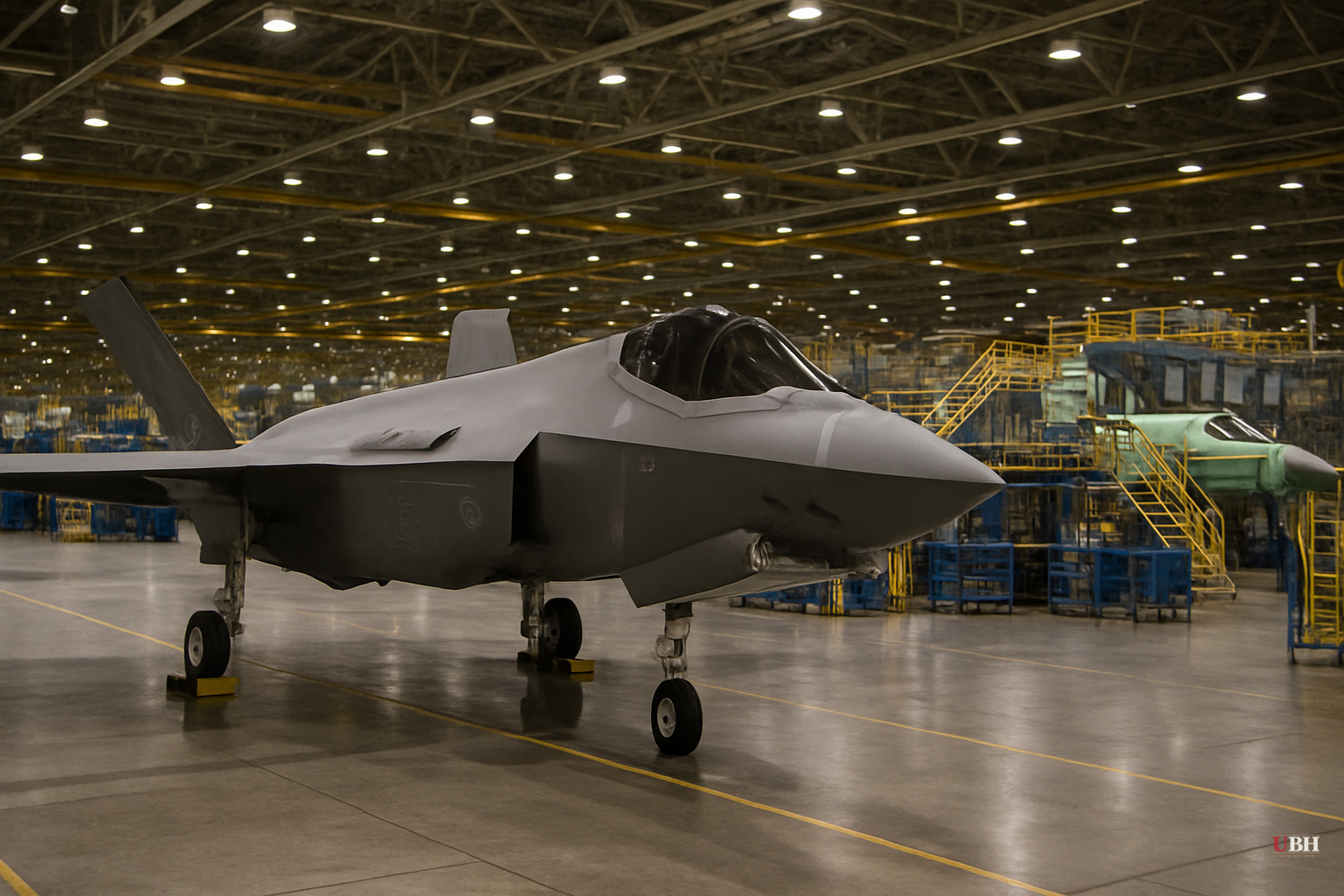
Pentagon Blocks Public Release of Annual F-35 Report for First Time in Over 20 Years
A 20-year streak just ended, quietly
For two decades, the Government Accountability Office has published a public annual look at the F-35 Joint Strike Fighter program. Congress mandated it back in 2005. Every year since, taxpayers got some version of the receipts on the most expensive weapons program in American history.
Not this year. The Defense Department, now rebranded the Department of War, blocked release of the GAO's June 25 assessment, according to Bloomberg. The only thing the public gets is a title: "F-35 Joint Strike Fighter: Update on Production and Modernisation Efforts." Everything else is locked behind a label called Controlled Unclassified Information, or CUI.
Jon Ludwigson, a director in GAO's contracting and national security acquisitions office who supervised the report, confirmed this is new territory. "GAO has covered the F-35 acquisition annually since Congress mandated reviews beginning in 2005," he said, according to Bloomberg. "This is the first year that any of our acquisition reviews has been determined to contain CUI" and blocked from public release.
The report wasn't buried entirely. It still went to lawmakers on Congress's four defense committees, Ludwigson said, continuing what he called GAO's "path of providing an update to the defence committees on the progress of F-35 modernisation." So the people voting on the program's budget saw it. The people paying for it did not.
What GAO reportedly found
Just the News, citing its own reporting, said GAO was critical of Pentagon efforts to get the program back on track. The outlet reported that increased funding meant to incentivize contractors to fix ongoing problems had not produced results. GAO also confirmed to The Hill that the report contained information the Pentagon flagged and would not release publicly.
None of that is classified information in the traditional sense. CUI is a lower bar than classified material. It covers information the government wants controlled but doesn't rise to a formal secrecy classification. Critics have argued for years that CUI gives agencies a convenient label to slap on anything embarrassing without the accountability that comes with actual classification.
Questions about transparency
Ben Freeman of the Quincy Institute for Responsible Statecraft raised concerns about the decision. "What is the Pentagon trying to hide about the most expensive weapons program in history?" he said, according to Just the News. "By not publicly releasing this report, you're throwing up a giant red flag that something is seriously wrong with the F-35."
The F-35 has been plagued by cost overruns and technical failures for years, a fact even supporters of the program don't dispute. A $1.6 trillion price tag with two decades of public oversight suddenly going dark, with no classified-secrets justification offered, is the kind of thing that should draw scrutiny regardless of who's in the White House or which party controls the defense committees.
There's no evidence in the available reporting that this was a deliberate cover-up of fraud or a specific scandal. No investigation has been announced. No charges or findings of wrongdoing have been made public. GAO itself didn't allege bad faith by the Pentagon. It simply confirmed the report was flagged as CUI and withheld. It's entirely possible defense officials are applying a bureaucratic label overly broadly, without any intent to hide malfeasance. Both things can be true at once: the label may be legitimate defense-sensitive material, and the sudden loss of two decades of public transparency is still a legitimate story.
Why this program draws attention
The F-35 Lightning II has been in production since 2006. It's flown by the U.S. and operated by allies including Japan, South Korea, and multiple NATO members. It is, by cost, the largest weapons program in world history. Every dollar of overrun and every technical failure has, in the past, been at least partially visible to the public through these annual GAO check-ins.
That visibility is what disappeared this year. Lawmakers on the four defense committees still have the full picture. The public has a title and a date.
What happens next
Congress mandated these reviews by law in 2005, and nothing in the current reporting suggests that mandate has changed. The open question is whether the Pentagon's CUI determination gets challenged, either by lawmakers demanding a declassification review or by GAO pushing back on the scope of what got restricted. Neither Bloomberg's nor Just the News's reporting indicates any such challenge has been filed yet. Until one is, the annual F-35 report that taxpayers used to be able to read for themselves stays behind closed doors, available only to the committees that oversee its budget.
Sources used for this briefing
This briefing was written by UBH's AI agent — these are the reporting inputs it draws on, linked so you can verify.


