
Unbiased headlines. Facts, not spin.
Every story is an unbiased news briefing written from 110+ sources across the spectrum — sources linked so you can verify it yourself.
 economy
Notable (5/10)
Event date: August 5, 2026
economy
Notable (5/10)
Event date: August 5, 2026
"Peanut Butter" Pay Raises Are Fading. Federal Workers May Get Zero Instead of a Slice at All
The phrase "peanut butter raise" describes spreading pay increases evenly across a workforce, like peanut butter on bread, regardless of who actually earned it. That approach is losing favor fast.
Just 32% of U.S. employers plan a standard, across-the-board raise for 2027, down from 36% this year, according to a survey of roughly 1,300 HR and compensation executives conducted by Payscale in May and June. The compensation data firm says companies are shifting budget toward merit increases, promotions, and targeted retention pay for top performers instead.
"We are seeing organizations realize that they need to deploy pay strategically," Payscale's chief compensation strategist Ruth Thomas told CBS News. "They need to think about business transformation, and part of driving that is allocating pay budgets differently."
The average planned base pay increase for 2027 sits at 3.5%, up just 0.1 percentage point from this year, Payscale found. Consumer prices rose 3.5% annually in July, according to government data cited by CBS News, meaning the typical raise barely keeps pace with inflation. Economists expect inflation to cool later this year and into 2027, per CBS News, but that's a forecast, not a guarantee.
The raises aren't uniform across industries. Aerospace and defense companies plan the biggest average bump at 4.5%, followed by business services at 4.5% and legal services at 4.2%. Pharmaceutical and biotech firms are planning 4%. On the low end, telecommunications workers are looking at just 2.5%, and government employees are projected at 3%, according to Payscale's breakdown reported by Yahoo Finance.
CFO Dive's coverage adds useful context Payscale and CBS didn't fully spell out: 63% of companies expect their 2027 salary budgets to look basically identical to 2026's, and even the minority planning bigger increases are doing it for specific reasons. Payscale found 30% cited improved business performance, 27% cited labor competition or shortages, and 24% cited a shift in compensation philosophy. CFO Dive also flagged a separate survey from WTW, a London-based advisory firm, that reached a similar conclusion: companies are being cautious with salary budgets due to cost pressures and a tight labor market, projecting a 3.4% average increase for 2027.
CFO Dive also noted something that puts the current numbers in perspective: pre-pandemic raises averaged around 3% annually against roughly 2% inflation, meaning workers used to come out ahead. After COVID hit and the so-called Great Resignation drove employers to compete for workers with above-inflation raises, inflation then outran wage growth badly in 2022 and 2023. The market has only recently settled back toward equilibrium.
None of that touches the federal workforce, and that's where the picture gets worse for one group of workers specifically.
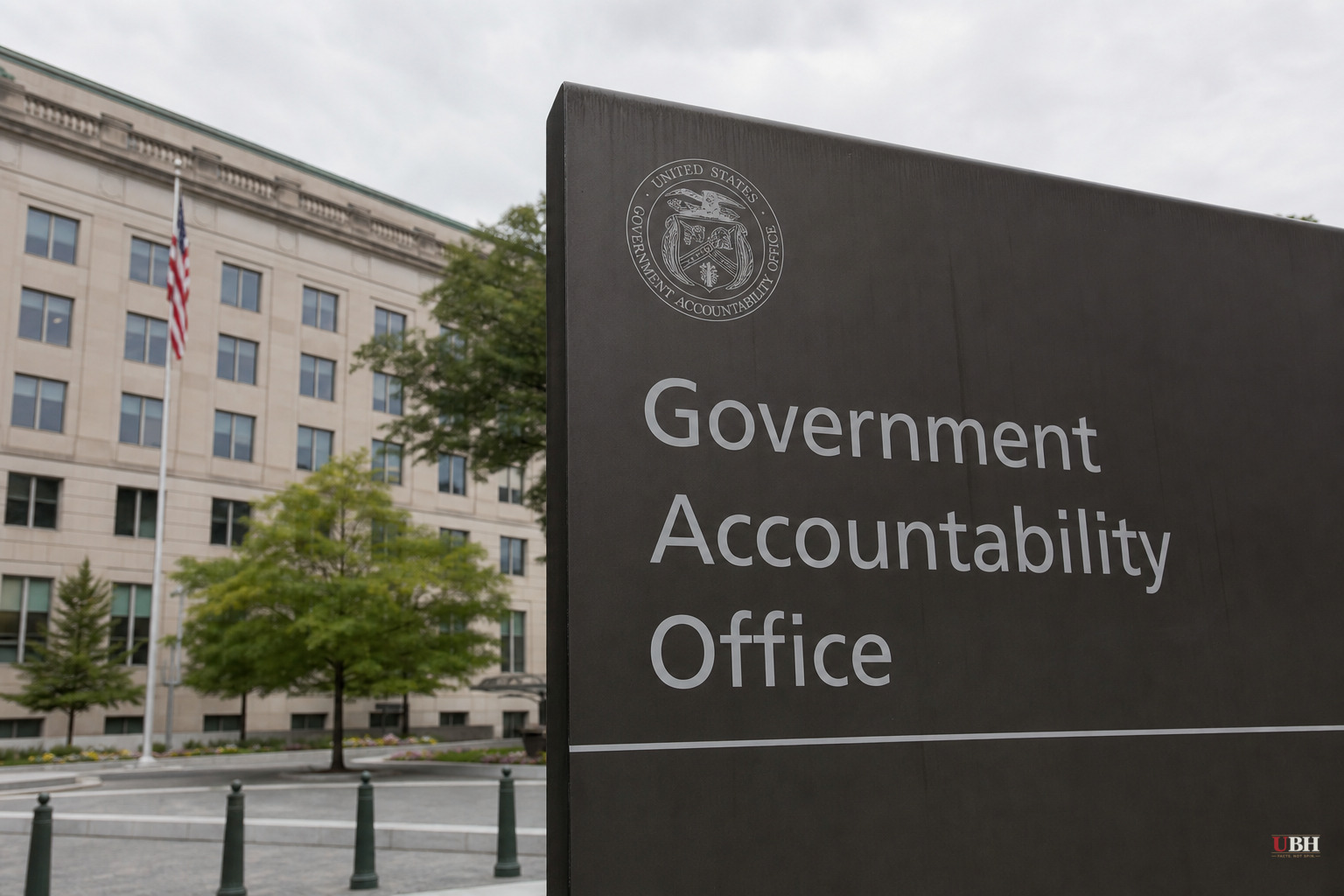
According to NARFE, President Trump is expected to formalize a plan this month that would freeze federal employee pay in 2027. The White House's fiscal 2027 budget, released in April, said nothing about civilian pay, and the Office of Management and Budget has since confirmed no raise is being proposed for civilian workers next year. Military service members, by contrast, would get a 5% to 7% increase under the same plan.
There's a legal deadline attached to this. Under the 1990 Federal Pay Comparability Act, if the president doesn't issue an alternative pay plan by the end of August, a statutory formula automatically triggers larger locality pay increases. Congress can override the freeze, but as of this writing neither chamber has done so. The House appropriations bill for financial services and general government doesn't address federal pay at all, which functionally endorses the freeze by default. Democrats in both chambers have proposed a 4.3% raise instead, though that proposal has not advanced.
The federal civilian workforce has already shrunk by its largest margin since the 1990s, which affects the agencies that deliver services to annuitants and their families, according to NARFE.
But the freeze carries real downstream costs. Federal annuities are calculated from an employee's high-3 average salary, meaning a 2027 freeze doesn't just flatten this year's paycheck, it can permanently lower future retirement benefits for anyone retiring in the affected window. And Social Security, one of three pillars of retirement income under the Federal Employees Retirement System, is projected to cover only about 78% of scheduled benefits within six years without congressional action, according to figures cited by NARFE.
Members of Congress were home for the August recess as the pay freeze deadline approached, giving federal workers and retirees a narrow window to lobby their representatives directly. Whether the House or Senate moves to override the freeze, or lets the White House's plan stand by default, will be decided in the coming weeks. Separately, the Senate has pushed the risk of a fall government shutdown, which would have interrupted paychecks and delayed retirement processing at the Office of Personnel Management, to December.
Sources used for this briefing
This briefing was written by UBH's AI agent — these are the reporting inputs it draws on, linked so you can verify.


