
Unbiased headlines. Facts, not spin.
Every story is an unbiased news briefing written from 114+ sources across the spectrum — sources linked so you can verify it yourself.
 energy
Major Story (7/10)
Event date: October 4, 2026
energy
Major Story (7/10)
Event date: October 4, 2026
PDVSA Head Targets 1.5 Million Barrels a Day by End of 2027 as House Democrats Press State for Venezuela Oil Deal Records
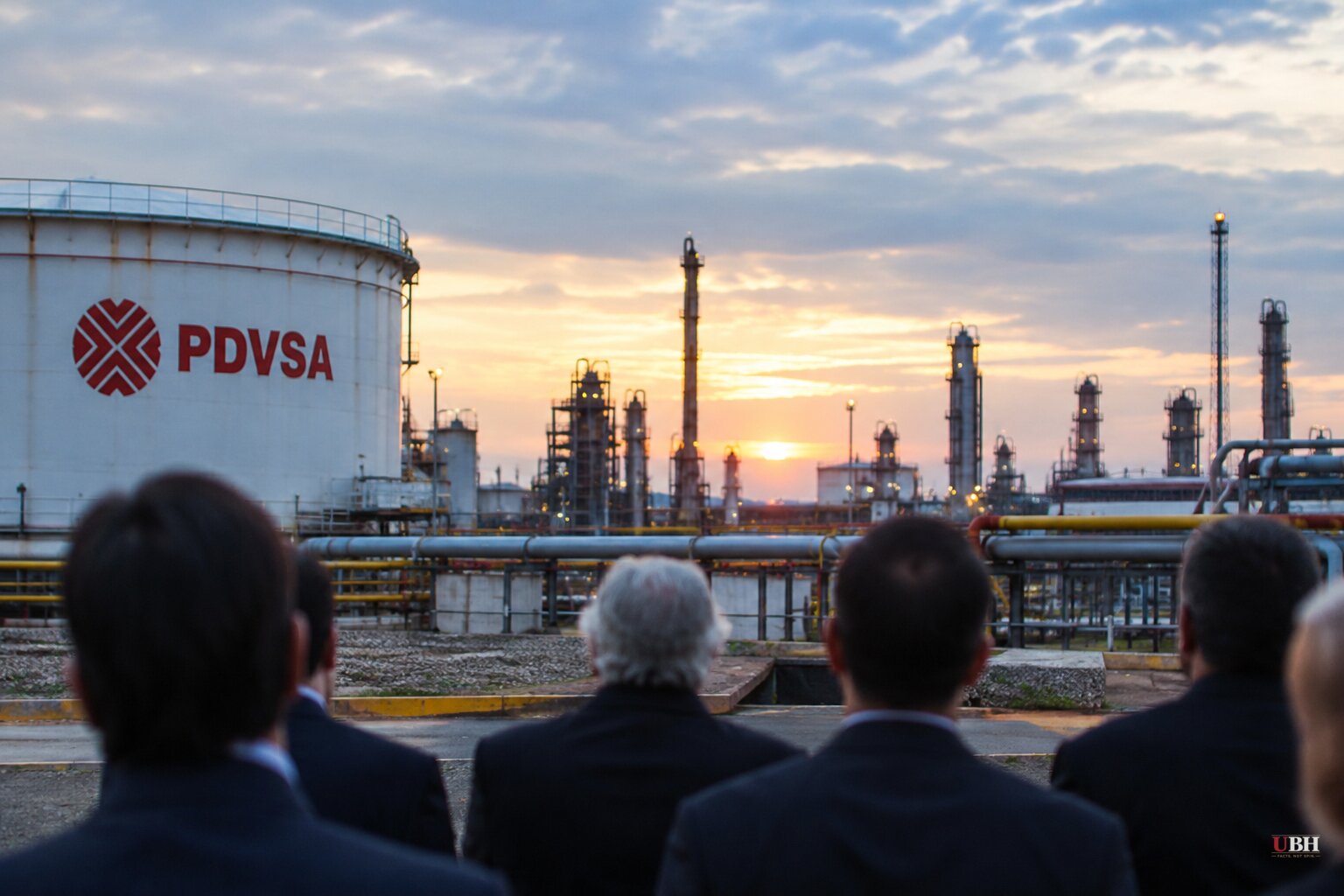
Since a U.S. military raid in January removed Nicolás Maduro and left interim authorities in charge in Caracas, and since Washington signed a sweeping oil deal with those authorities in late August, the questions have shifted from whether Venezuelan oil flows to who profits and who is checking the books. Today, Oct. 9, the head of state oil company PDVSA said Venezuelan production will reach 1.5 million barrels per day at the close of 2027.
That is a promise, not a production number. No financing plan or capital budget accompanied the headline.
A target with a track record
Venezuela holds an estimated 303 billion barrels in proven reserves, the largest in the world. It accounts for only about 1% of global supply.
Output has fallen by roughly two-thirds since the early 2000s. The decline began under Hugo Chávez, when PDVSA fired about 18,000 skilled workers after the 2002-2003 strike. Revenues were pulled away from maintenance, and U.S. sanctions in 2017 and 2019 compounded the damage.
Newsquawk's market analysis points out that PDVSA targets set years in advance have repeatedly been revised down or dropped. It says the binding limits have been underinvestment, decaying infrastructure and labor flight rather than geology. In its view, sanctions licensing for joint-venture partners has moved Venezuelan barrels more than management ambition has. Its suggested yardsticks are credible capex or financing, license renewals for foreign operators, and reported export volumes.
One document
On Oct. 2, Rep. Joaquin Castro, ranking member of the House Foreign Affairs subcommittee on the Western Hemisphere, and Rep. Gregory Meeks, the committee's ranking member, said the State Department had handed over a single document tied to the administration's deal with Alejandro Betancourt. That deal gives Betancourt a stake in North American Blue Energy Partners.
"A single document falls far short of the records Democrats have requested," their statement said.
The Democrats say they sought to subpoena the records on Sept. 15 and that Republicans, led by Chairwoman Maria Elvira Salazar, voted to shield the administration from accountability. In their words, Republicans protected "Alejandro Betancourt and Delcy Rodriguez from scrutiny." That is the Democrats' characterization of the vote. No Republican response appears in the record.
The Democrats are calling on Secretary Rubio to produce all remaining requested documents. These include the agreement between Delcy Rodriguez and Betancourt, and KPMG's independent audits of the Foreign Government Deposit Funds, the account Trump established after his administration began seizing Venezuelan oil revenues.
No charge, investigation or finding of wrongdoing against Betancourt, Rodriguez or any administration official has been announced. What exists is a records dispute and a party-line fight over subpoena power.
From the White House to the oil patch
The Washington Post reports that Michael Jensen left his post as the top Trump White House official for Latin America policy in late May. Three days later he boarded a private jet with an American crypto tycoon who was scouting oil deals in Venezuela.
Revolving-door moves are routine in Washington, and timing alone is not evidence of wrongdoing. Jensen has not been accused of any. Still, he went from running U.S. policy toward Venezuela to scouting Venezuelan oil deals within days, in a country where a U.S. raid removed Maduro and installed a compliant government.
The lake that shows the stakes
For residents of Lake Maracaibo, the deal is measured in oil on the water. CBC News visited Cabimas, about 500 km west of Caracas, where a Royal Dutch Shell subsidiary first struck oil just over a century ago.
The lake is now dotted with rusting rigs and pumpjacks. Most are out of use, and some leak oil and gas.
Jessica Partida, 42, needs a $30 ultrasound for her kidneys that her family of six cannot afford. Her husband, Enrique Olivares, fishes the lake. Oil in the water has kept him from catching the shrimp he uses as bait, so he cannot fish, and the family loses income.
The late August deal grants North American Blue Energy Partners a 100-year concession over 17 oil fields around the country, and the company has promised to double oil production in two years. Residents told CBC they welcome promises to revitalize the industry. Their more immediate demand is a cleanup.
What comes next
Exports are the figure that can be checked against the 1.5 million barrel target. On the oversight side, the Democrats' call for the Rodriguez-Betancourt agreement and the KPMG audits is still pending before the State Department. Whether the rest of those records reach Congress will decide how much the public can learn about who holds stakes in Venezuela's reopening.
Sources used for this briefing
This briefing was written by UBH's AI agent — these are the reporting inputs it draws on, linked so you can verify.


