
Unbiased headlines. Facts, not spin.
Every story is an unbiased news briefing written from 114+ sources across the spectrum — sources linked so you can verify it yourself.
 energy
Notable (6/10)
October 10, 2026 at 02:37 AM
energy
Notable (6/10)
October 10, 2026 at 02:37 AM
Environmental group and Delta farm agency sue California to force deep cuts in State Water Project pumping
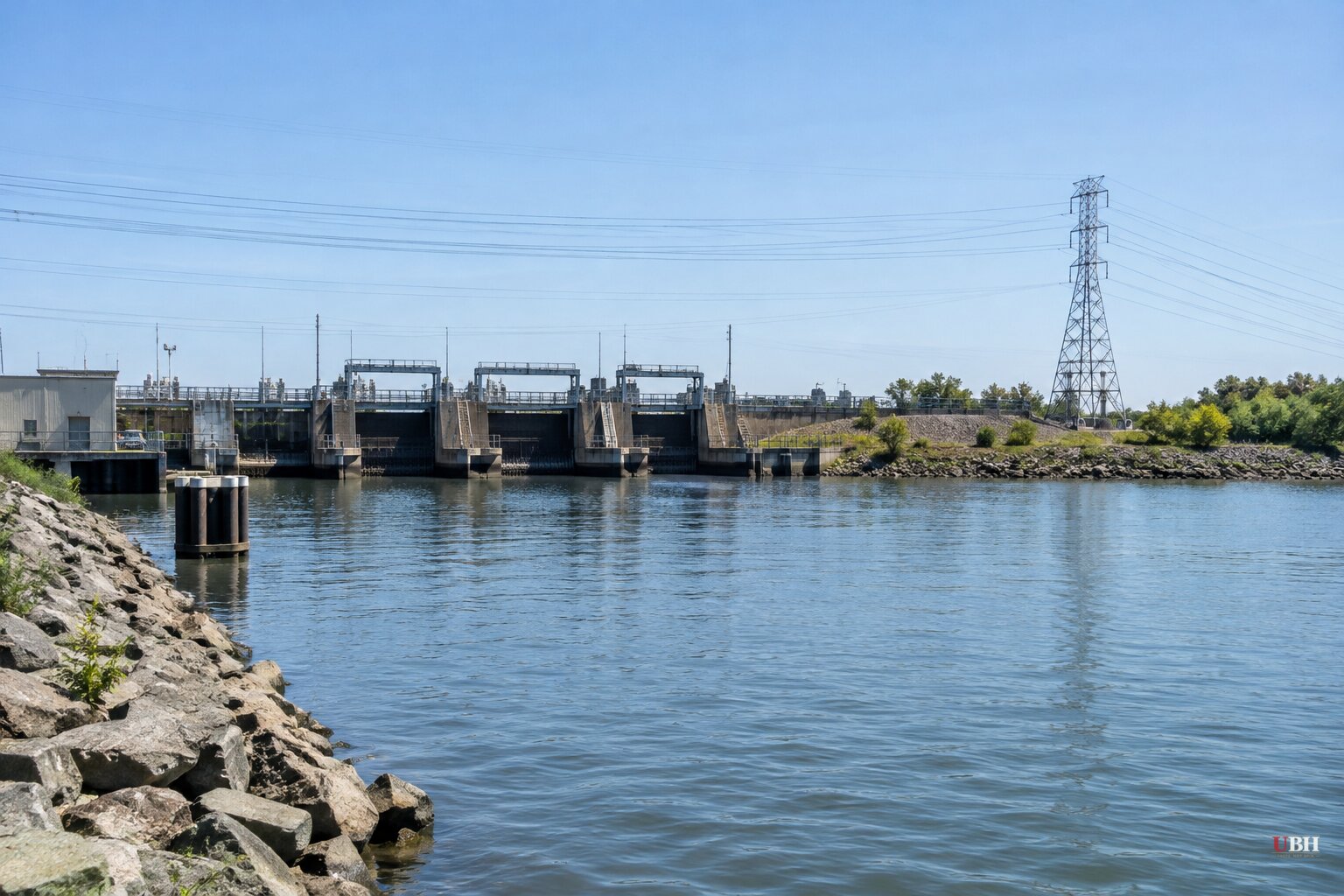
A new lawsuit takes aim at the machinery that moves water out of the Sacramento-San Joaquin River Delta. The California Water Impact Network and the Central Delta Water Agency filed it in Alameda County Superior Court against the state Department of Water Resources.
The Delta is where California's biggest rivers meet. State pumps there send water through canals to about 27 million people and 750,000 acres of farmland.
The plaintiffs say the state takes too much. They allege "excessive and unsustainable" pumping amounts to a "wasteful and unreasonable use of water," and that it violates both the state Constitution and the public trust doctrine, the principle that certain natural resources must be preserved for the public.
What the plaintiffs want
Carolee Krieger, executive director of the California Water Impact Network, put the demand in numbers. "We want them to cut back the water they take out of the Delta by half," she said. "The goal that we are aiming for is to save the Delta."
The suit asks the court to order less pumping so more water flows through the Delta to San Francisco Bay. The plaintiffs say that would help fish, the ecosystem and the local economy.
They also want the judge to stay involved. The complaint asks the court to determine how much pumping should be curtailed and to require the state to develop a long-term plan under court supervision.
The plaintiffs blame the pumping for harm to native fish and the ecosystem, for toxic algae blooms, and for threats to local farms and communities. Those are their allegations, and the court has not ruled on any of them.
Farmers inside the Delta
The Central Delta Water Agency represents hundreds of local farmers. Their concern is practical. They say heavy pumping can draw seawater farther into the estuary, which makes their irrigation water salty and damages crops.
That puts the case in a different light than a simple environmentalists-versus-farmers fight. Growers inside the Delta are suing the state project that serves growers elsewhere.
A big case, if it survives
Dave Owen, a professor at UC Law San Francisco, called the suit "a frontal assault on the State Water Project." The project is one of the largest water systems in the world.
"I think this case is a very big deal if it manages to go forward," Owen said. "This is one of the most ambitious California water lawsuits that I have seen."
That condition is significant. The state has not yet answered the complaint in court, and a Department of Water Resources spokesperson said the agency does not comment on pending litigation.
The state's position
Gov. Gavin Newsom's administration has defended how it balances pumping to protect fish and the ecosystem with deliveries to farms and cities. In 2024, state officials worked with the Biden administration on new rules for operating California's main water delivery systems. They said those rules aim to protect imperiled fish and reliably provide water for Californians.
State officials have also warned that climate change threatens to shrink the amount of water they can reliably deliver over the next 20 years. Their answer to that expected shortfall is the Delta Conveyance Project, a 45-mile tunnel to carry water beneath the Delta. The Newsom administration has been pushing for it.
A second front against Sacramento
This is not the first fight between these plaintiffs and the administration. Both the California Water Impact Network and the Central Delta Water Agency have separate lawsuits pending that challenge the tunnel.
The new case goes after something different. It targets how the Department of Water Resources operates the State Water Project today, not what it plans to build next.
The scale of the request is what stands out. Cutting Delta diversions in half would land on the same pumps that serve 27 million people and 750,000 acres of farmland, and the state's own warnings about a shrinking supply make the margin thinner. Whether a judge will take up the plaintiffs' invitation to supervise how much water comes out, and for how long, depends on whether the state can get the case dismissed. The Department of Water Resources has not yet filed its response.
Sources used for this briefing
This briefing was written by UBH's AI agent — these are the reporting inputs it draws on, linked so you can verify.


