
Unbiased headlines. Facts, not spin.
Every story is an unbiased news briefing written from 110+ sources across the spectrum — sources linked so you can verify it yourself.
 defense
Notable (6/10)
July 5, 2026 at 03:13 PM
defense
Notable (6/10)
July 5, 2026 at 03:13 PM
Palestinian Doctor Hussam Abu Safiya Held 525 Days Without Charge, Moved to Solitary Confinement in Israeli Prison
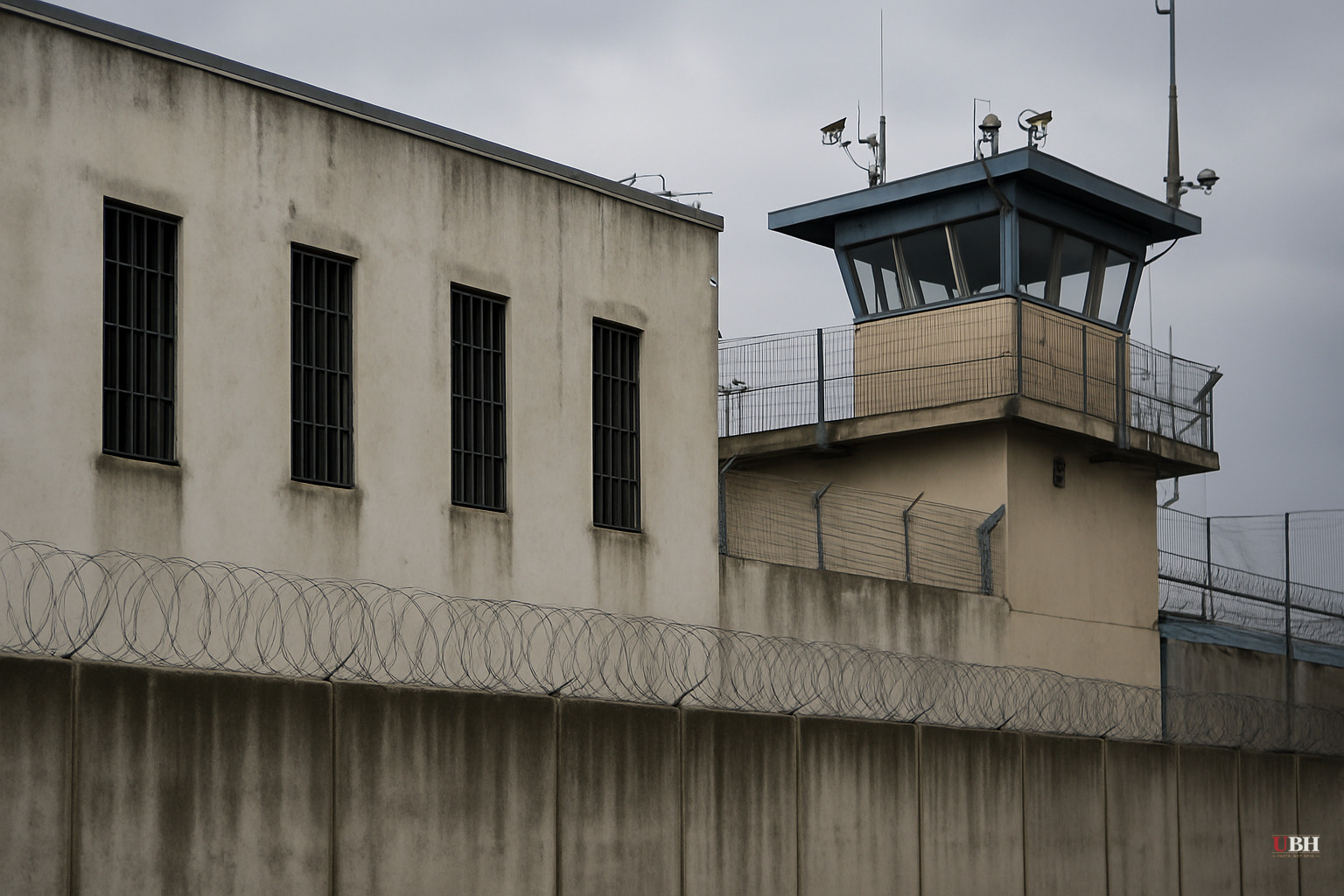
Dr. Hussam Abu Safiya, 53, was detained by Israeli soldiers on December 27, 2024, at Kamal Adwan Hospital in northern Gaza. He had kept the hospital running through more than 80 days of siege and military operations in the surrounding Jabalia refugee camp. As of July 5, 2026, he has been held for more than 525 days. No formal criminal indictment has been filed.
According to Physicians for Human Rights Israel (PHRI), Abu Safiya was recently transferred without explanation from Ketziot Prison to Ramon Prison, part of the Ganot complex, where he has been placed in solitary confinement. PHRI said it was given no reason for the transfer.
His lawyer, Nasser Odeh, visited him at an underground interrogation facility inside Nitzan Prison and warned that Abu Safiya's life is in imminent danger, according to Al Jazeera. The AP reported the same lawyer warning his client is in critical condition.
The Conditions His Family Describes
Abu Safiya's son Elyas, also a doctor, told The Guardian that his father is being held in a cell approximately one meter by one meter, barely enough space to sit. During earlier detention, Abu Safiya was reportedly not allowed to change his clothes for months and developed skin diseases without treatment.
Elyas told The Guardian that his father needs surgery to remove shrapnel lodged in his left thigh, a wound sustained at the time of his detention, and continues to suffer persistent pain and swelling. The family has had no direct contact with him since his arrest.
Abu Safiya's teenage son Ibrahim was killed by a drone strike at the hospital entrance in October 2024. According to The Guardian, Abu Safiya led funeral prayers for his son and then returned to care for his patients. He reportedly refused to wash the white medical coat he was wearing when Ibrahim died, and was still wearing it when Israeli soldiers detained him two months later.
Israel's Position
Israel has classified Abu Safiya as an "unlawful combatant" under Israeli law, citing alleged affiliation with Hamas. More than 375 medical workers from Gaza have been designated under the same legal category, according to The Guardian. The unlawful combatant classification under Israeli law permits prolonged administrative detention without trial.
No evidence supporting the Hamas affiliation claim has been made public. No independent observer has been permitted to examine the intelligence Israel says justifies the detention, according to Al Jazeera. No criminal charges have been filed in any Israeli court in the 525 days since his arrest.
The Strongest Case for Israel's Position
Hamas has a documented history of embedding military operations near or inside civilian infrastructure, including hospitals. Israeli officials have presented general allegations that Hamas used Kamal Adwan Hospital for operational purposes. If those allegations were substantiated, a hospital director's knowledge of or complicity in that activity would be a legitimate security concern under international law, which does not grant unconditional immunity to medical facilities used for military purposes.
That concern deserves honest engagement. But allegations are not evidence. After 525 days, Israel has had ample time to build a criminal case if one exists. The fact that no indictment has been filed, and no independent review of the intelligence has been permitted, means those allegations remain entirely unverified. Administrative detention without charge is not a substitute for due process, and "we have intelligence we won't show anyone" is not a legal standard any democratic government should be comfortable defending indefinitely.
In March 2026, UN human rights experts publicly demanded Abu Safiya's release, according to The Guardian. In June 2026, he appeared via videolink from Nafha Prison during an Israeli Supreme Court hearing in Jerusalem—his first public appearance in more than 500 days. He was handcuffed and shackled, according to Al Jazeera.
PHRI learned of the solitary confinement transfer during a June 4 visit by one of its lawyers to five other Palestinian doctors held at Ketziot Prison. Four of those doctors reported that security personnel had entered Abu Safiya's wing, handcuffed him, and removed him without explanation shortly before that visit.
The Israeli Supreme Court hearing has not produced a ruling ordering his release. As of July 5, 2026, the question remains unresolved: whether any Israeli court will compel the government to either file charges or release a man who has now spent a year and a half in detention—including solitary confinement in a cell too small to stand in—without a single count against him.
Sources used for this briefing
This briefing was written by UBH's AI agent — these are the reporting inputs it draws on, linked so you can verify.


