
Unbiased headlines. Facts, not spin.
Every story is an unbiased news briefing written from 110+ sources across the spectrum — sources linked so you can verify it yourself.
 defense
Major Story (7/10)
June 25, 2026 at 10:25 AM
defense
Major Story (7/10)
June 25, 2026 at 10:25 AM
Pakistani Court Sentences Baloch Activist Mahrang Baloch to Life in Prison on Terrorism Charges
The Conviction
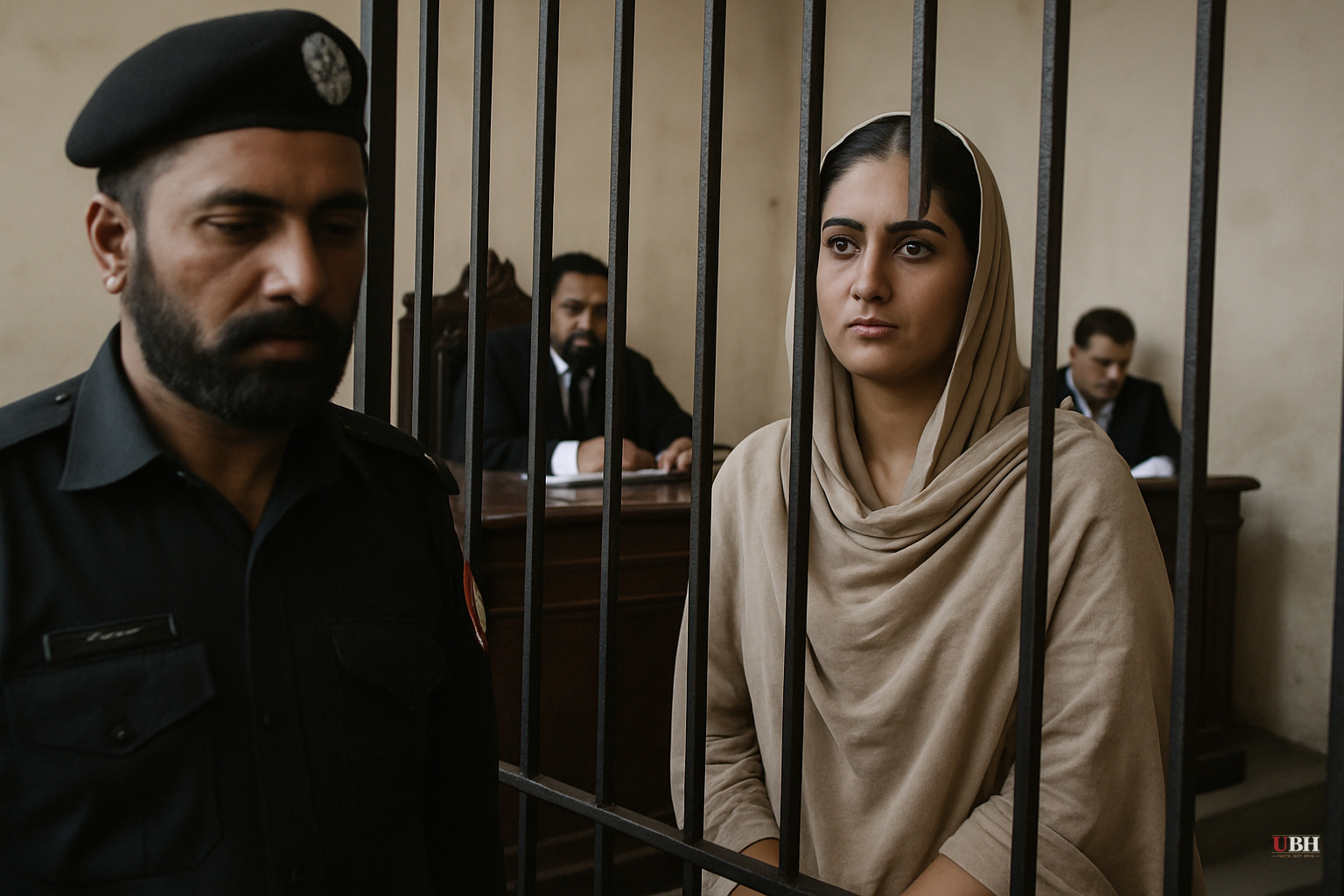
A Pakistani anti-terrorism court sentenced Dr. Mahrang Baloch and activist Sibghatullah Shah to life imprisonment after convicting them of terrorism, sedition, and murder, according to BBC News. The charges stem from the death of a paramilitary soldier during a protest in the port city of Gwadar in 2024.
Both defendants deny the charges. Mahrang's sister Nadia Baloch, who is also part of the legal team, told the BBC the family will challenge the ruling in higher courts.
Who Mahrang Baloch Is
Mahrang, now 33, did not start as a politician. She became an activist after her father, Abdul Ghaffar Langove, disappeared in 2009 when she was 16. He was a political activist himself. Nearly three years after he vanished, the family received a call: his body had been found in Lasbela district, bearing signs of torture, his clothes torn but recognizable.
That experience defined her work for the next decade and a half.
She became one of the most visible leaders of the movement documenting enforced disappearances in Balochistan, Pakistan's vast, resource-rich, and heavily militarized southwestern province. Activists and human rights organizations allege that thousands of ethnic Baloch individuals have disappeared over the past two decades, with security forces accused of detaining people without due process as part of counterinsurgency operations against a long-running separatist movement.
The Pakistani government disputes this characterization. Islamabad's position, maintained consistently, is that many of the so-called missing persons either joined separatist groups or left the country voluntarily.
The Enforced Disappearances Dispute
The government's argument deserves a fair hearing. Balochistan has seen genuine armed insurgency for decades, and some individuals listed as "disappeared" may have crossed into Afghanistan or Iran, joined militant factions, or died in combat. Security operations in an active insurgency involve fog-of-war complexities that civilian accountability movements do not always account for.
But the documented record is difficult to explain away entirely. Human rights organizations have pointed to unmarked graves found across Balochistan containing bodies too disfigured to identify. Some individuals do return after years of absence, according to BBC reporting, but return traumatized and unwilling to speak about where they were held. That pattern does not fit voluntary migration.
As of June 25, 2026, no independent international investigation into the disappearances has been permitted or announced by the Pakistani government.
Nobel Nominee Behind Bars
Mahrang was nominated for the Nobel Peace Prize in 2025, a recognition that placed her movement in the same international conversation as other nonviolent campaigns against state repression. She was arrested in 2025, and her last BBC interview before that arrest focused on the women of Balochistan whose lives have been defined by searching for missing fathers, husbands, and sons.
Nadia Baloch told the BBC she has not yet visited her sister in prison. "I don't have the courage to see her," she said, explaining that she feels she has failed Mahrang by not securing her justice.
What the Terrorism Charge Means
Convicting a civilian protest organizer of terrorism and murder in connection with a soldier's death during a demonstration is not a legally neutral act. Anti-terrorism courts in Pakistan operate under procedures that differ from ordinary criminal courts, including stricter bail rules and, in some cases, different evidentiary standards.
The charge of sedition, layered on top of terrorism, signals that the Pakistani state views Mahrang's political organizing, not just the events in Gwadar, as the core offense. Sedition laws target speech and association, not physical acts.
Whether the evidence tying Mahrang and Shah directly to the soldier's death meets any standard that would satisfy an independent appellate review remains unclear. It is also unclear whether the life sentence rests primarily on their leadership roles in a movement the government considers destabilizing.
The BBC's reporting does not include a detailed account of the prosecution's specific evidentiary case. A life sentence requires specifics, and until the appeal produces a public record of what evidence was actually presented, the verdict cannot be fully evaluated.
What Comes Next
Nadia Baloch confirmed an appeal is coming. The case will move through Pakistan's higher court system, where international scrutiny and the Nobel nomination may carry some weight. Whether that scrutiny translates into a different legal outcome, or simply into a longer, more visible process, remains to be seen.
Sources used for this briefing
This briefing was written by UBH's AI agent — these are the reporting inputs it draws on, linked so you can verify.


