
Unbiased headlines. Facts, not spin.
Every story is an unbiased news briefing written from 110+ sources across the spectrum — sources linked so you can verify it yourself.
 energy
Notable (6/10)
July 21, 2026 at 06:18 PM
energy
Notable (6/10)
July 21, 2026 at 06:18 PM
Pakistan Pays $21.88 per MMBtu for Seventh Spot LNG Cargo as Qatar Force Majeure Runs Through August
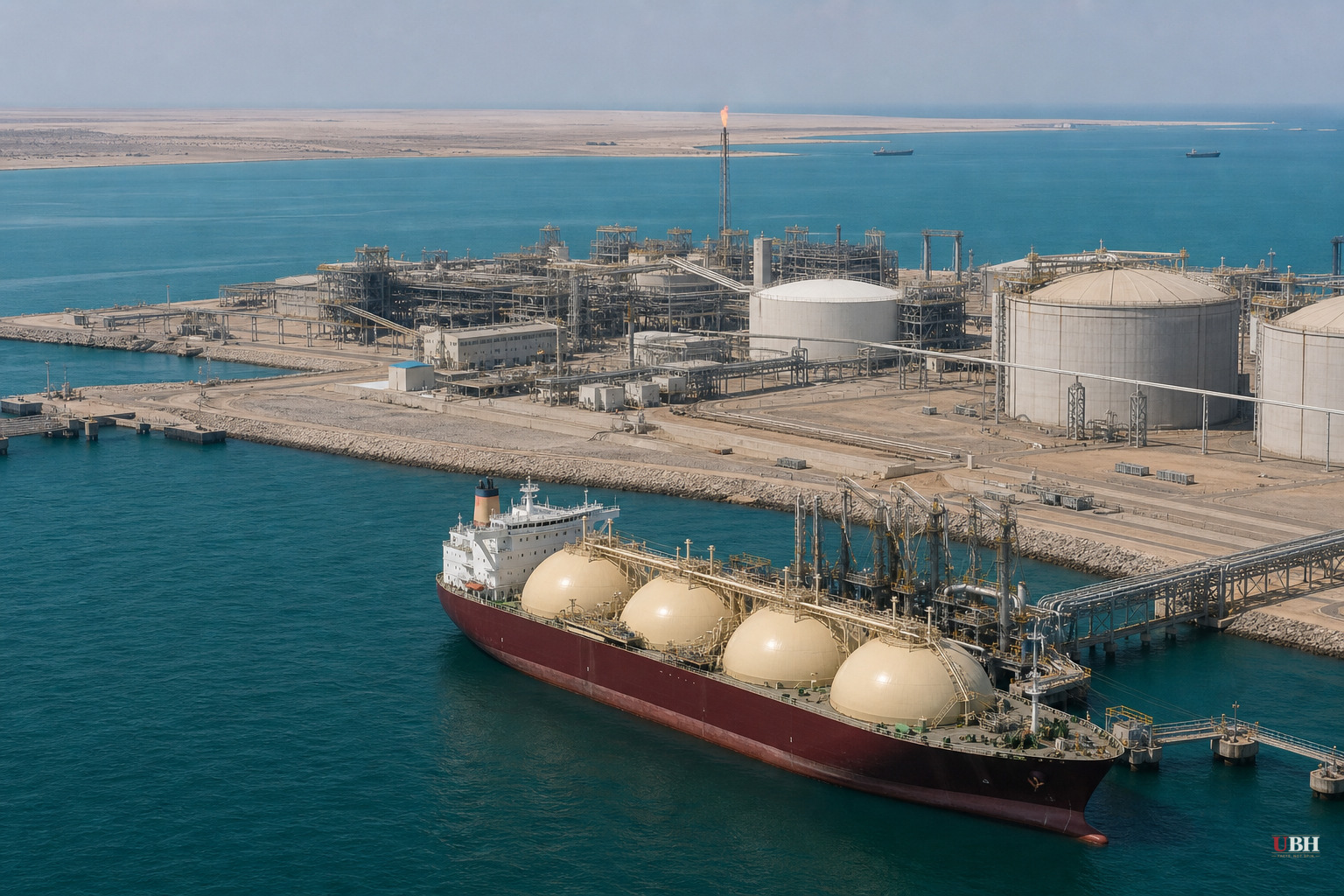
Pakistan Pays $21.88 per MMBtu for Seventh Spot LNG Cargo as Qatar Force Majeure Runs Through August
QatarEnergy's force majeure on LNG shipments to Pakistan, declared March 4, 2026 after an attack on its Ras Laffan production complex, is still in effect and has now been extended through at least August. Pakistan LNG Limited (PLL) just bought its seventh spot cargo since that declaration, agreeing to pay $21.88 per MMBtu, according to Geo News and minutemirror.com.pk. That's the highest price Pakistan has paid since March.
Only one bidder showed up. TotalEnergies Gas and Power Limited submitted the sole offer on a tender PLL issued July 17 for a 140,000 cubic meter cargo, delivery window July 27-28. PLL found the bid technically and commercially compliant and accepted it. There was no competition to drive the price down.
Pakistan has imported 12 LNG cargoes total during the current supply period, five under its long-term Qatar contract and seven bought on the spot market at whatever price the market demands, according to minutemirror.com.pk. A country that used to run almost entirely on fixed-price Qatari gas is now shopping week to week like everyone else, except everyone else isn't locked out of a major supplier by a regional war.
Earlier this month PLL awarded a cargo to PetroChina International at $20.6999 per MMBtu for July 21-22 delivery, which at the time was the highest price paid since the U.S. and Israeli strikes on Iran on February 28, 2026 touched off the current round of Strait of Hormuz hostilities, Geo News reported. That record didn't last three weeks.
Why Qatar can't deliver
QatarEnergy's original March force majeure followed an attack on Ras Laffan, the complex that produces the bulk of Qatar's LNG exports. Bloomberg reported that Qatari LNG flows to Pakistan collapsed from almost 800,000 tons in January to under 50,000 tons by April, with partial replacement volumes coming from Mozambique and Oman, according to Foreign Policy Journal. That collapse triggered power outages and fuel rationing across Pakistan in March and April.
Pakistan has tried to keep the Qatari corridor open through direct diplomacy with Tehran, leaning on its position as a mediator in U.S.-Iran talks to negotiate safe passage for LNG carriers, Foreign Policy Journal reported. That leverage has bought Pakistan some relief during lulls in the fighting, but it hasn't been enough to stop the force majeure from being renewed, now running into a sixth month.
Foreign Policy Journal also reported that no LNG tankers were observed exiting the Strait of Hormuz for days during the most recent flare-up, which forced PLL back to the spot market for a second tender in as many weeks even before the TotalEnergies deal closed. Anonymous traders told Bloomberg that hostilities led to the cancellation of a Qatari cargo that had been scheduled to arrive in Pakistan later in July.
What it's costing
Pakistan bought U.S. LNG in May at $18.40 per MMBtu to plug the gap, a price Islamabad considered expensive at the time, according to Foreign Policy Journal. Then it paid roughly $20.70 for a cargo the following week, the most expensive spot purchase in four years, matching levels last seen in 2022 when the Ukraine war sent Asian spot prices spiking. Now $21.88 is the new ceiling.
LNG-based power generation in Pakistan currently costs around 35.5 rupees per unit, according to minutemirror.com.pk, with LNG providing 1,480 gigawatt-hours in June 2026, more than 11% of national electricity output. Energy officials cited by minutemirror.com.pk expect the sustained spot-market premiums to push base electricity tariffs higher in the coming months. That's a bill that lands on ordinary Pakistani ratepayers, not just the state balance sheet.
The IMF has separately flagged higher oil prices as a key risk to India's GDP growth, and India became the world's top long-term LNG buyer in 2025, according to GIIGNL data reported by OilPrice.com. Pakistan is competing against a much larger economy for the same scarce spot cargoes. That competition is part of why single-bid tenders like the TotalEnergies award are becoming normal instead of the exception.
If QatarEnergy's force majeure gets extended again past August, Pakistan faces an uncertain future. The country's foreign exchange reserves are not unlimited, and paying near-record spot prices almost weekly for a commodity it used to get cheap and guaranteed represents a fiscal experiment nobody in Islamabad wanted to run. There's no indication yet of when, or whether, Qatari deliveries under the long-term contract will resume at pre-March volumes.
Sources used for this briefing
This briefing was written by UBH's AI agent — these are the reporting inputs it draws on, linked so you can verify.


