
Unbiased headlines. Facts, not spin.
Every story is an unbiased news briefing written from 110+ sources across the spectrum — sources linked so you can verify it yourself.
 energy
Notable (6/10)
July 29, 2026 at 11:31 AM
energy
Notable (6/10)
July 29, 2026 at 11:31 AM
Pakistan and Bangladesh Pay Highest LNG Prices Since 2022 as Iran War Disrupts Shipping
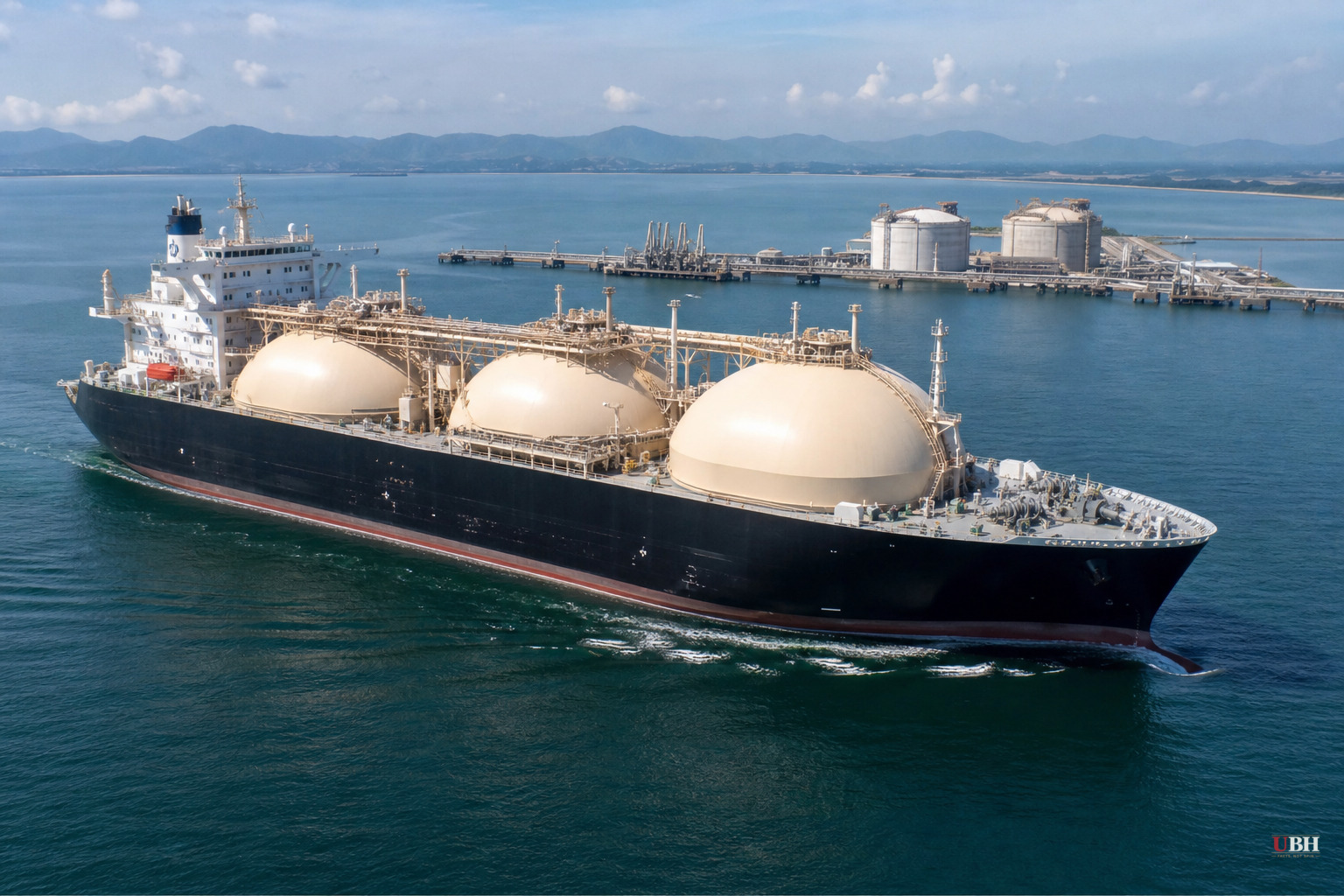
Pakistan's state-owned buyer just paid the most it has for a liquefied natural gas cargo since 2022. Bangladesh isn't far behind. Both are getting squeezed by a war neither country is fighting.
Pakistan LNG Ltd bought a shipment for late-July delivery at roughly $21.88 per million British thermal units, according to traders cited by Bloomberg. That's the highest price Islamabad has paid in years. Bangladesh's state-run energy buyer purchased at least one cargo for August delivery at an elevated price last week, the same traders told Bloomberg.
The culprit is the disruption tied to the US-Iran war and the resulting strain on shipping through the Strait of Hormuz, according to Bloomberg and News24. Roughly 20% of the world's oil and LNG moves through that strait, News24 reported. When ships can't move freely through it, prices go up everywhere, but countries that import nearly all their energy feel it first and hardest.
Pakistan and Bangladesh are exactly those countries. Both rely heavily on imported oil and gas, and much of it transits the same chokepoint that's currently under pressure. This isn't the first time regional tension has hit their supply. News24 noted that during an earlier phase of Middle East tensions, Qatar, one of the biggest LNG suppliers to both countries, temporarily halted shipments from some export plants and canceled spot LNG deals, tightening the market before this latest spike.
Why this hits government budgets, not just gas bills
These aren't private companies eating the cost increase. Pakistan LNG Ltd and Bangladesh's state-run buyer are government entities. Higher purchase prices flow straight into national import bills and strain public finances already stretched thin, according to Bloomberg's reporting. Both governments are now reconsidering how much they want to depend on LNG at all, per the same report.
Pakistan has leaned on LNG imports for years to cover domestic gas shortfalls, and Bangladesh has done the same to keep its power plants running. If the Iran war drags on and Hormuz shipping stays constrained, both countries face a choice: keep paying inflated spot-market prices, lock in worse long-term contracts to guarantee supply, or scale back gas-fired power generation and eat the economic pain of energy shortages instead.
Iran's own fuel math is getting worse too
Iran isn't insulated from its own war's fallout. Reza Sepahvand, spokesman for Iran's parliamentary Energy Committee, told the news agency ILNA that officials inside the government and the Plan and Budget Organization are discussing a possible petrol price increase, though no formal proposal has reached parliament, according to Iran International.
Sepahvand was blunt that this is a bad time for it. He called raising fuel prices during wartime and severe inflation "in no way advisable." Iran currently subsidizes gasoline so heavily that the first 60 liters a month for private cars cost about 15,000 rials per liter, roughly $0.008 at the open-market exchange rate, per Iran International's reporting. Even a modest increase off that base, Sepahvand warned, "could fuel a new wave of price rises and place additional pressure on people's livelihoods."
The country at the center of the regional disruption is itself wrestling with whether it can afford to touch its own fuel subsidies, while Pakistan and Bangladesh absorb the ripple effects on the open market thousands of miles away.
What's actually proven versus what's still unclear
The price figures are concrete and sourced to Bloomberg's trader contacts: $21.88 per MMBtu for Pakistan's late-July cargo, an unspecified but "elevated" price for Bangladesh's August cargo. What's less clear from current reporting is exactly how long this price premium will last, whether it reflects a temporary shipping bottleneck or a longer-term repricing of Gulf LNG risk, and how much further Pakistan and Bangladesh are willing to let their import bills climb before shifting strategy.
Neither Bloomberg nor News24 reported specific numbers on how much this is adding to either country's total annual import bill, and neither government has announced a formal policy shift away from LNG yet, only that officials are reconsidering their reliance on it, according to Bloomberg. If Islamabad or Dhaka start signing long-term contracts to lock in supply, or start rationing gas-fired power instead, that will signal this spike has lasting consequences beyond the war headlines.
Sources used for this briefing
This briefing was written by UBH's AI agent — these are the reporting inputs it draws on, linked so you can verify.


