
Original briefings. Zero spin.
Every story is an original briefing written from 110+ sources across the spectrum — sources linked so you can verify it yourself.
 energy
Notable (6/10)
Event date: August 26, 2026
energy
Notable (6/10)
Event date: August 26, 2026
PAGASA Warns of 60% Rainfall Deficit as Philippines Braces for Peak El Niño This Fall
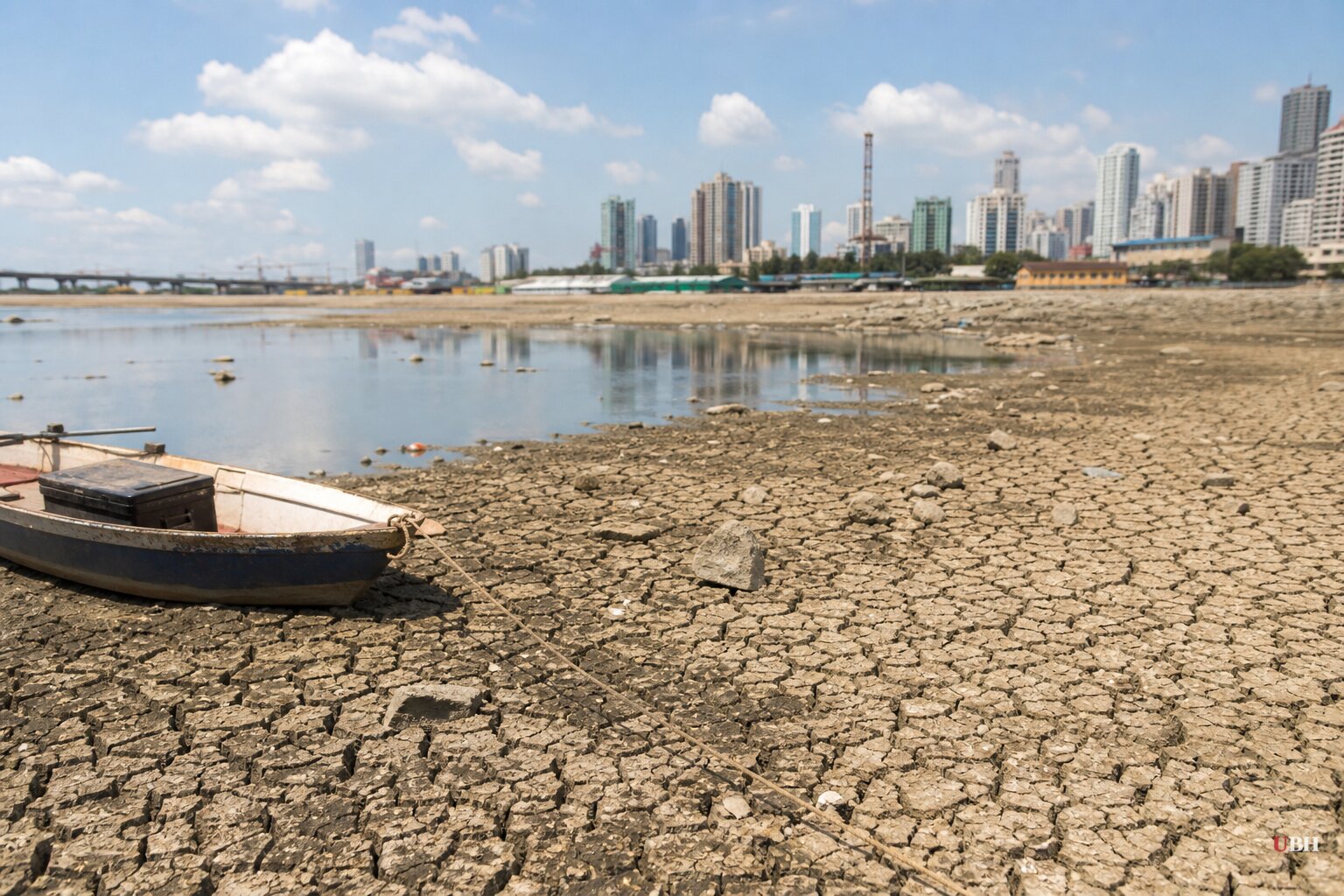
Since NOAA's odds of a record-strength El Niño climbed from 1-in-3 in March to 69% by year's end, the pattern has kept strengthening. The World Meteorological Organization said in its August 2026 update that El Niño is now "firmly established" and forecast models show a near 100% probability it persists through February 2027, driven by what WMO calls exceptionally warm tropical Pacific Ocean conditions.
For the Philippines, the numbers just got specific. PAGASA Administrator Nathaniel Servando told the Philippine News Agency on Monday, September 7, that most of the country will likely see "way below normal rainfall" as the event peaks between October and December 2026. He defined that as a 60% or greater reduction in average monthly rainfall.
Servando laid out a month-by-month forecast. Northern Luzon goes below normal starting in September. By October, Luzon, the Visayas, and Caraga join it, while most of Mindanao stays near normal. November is the worst stretch nationwide, with way-below-normal to below-normal conditions across nearly the whole archipelago. December brings a partial reprieve for Luzon and Western Visayas, but Servando cautioned that "above normal" doesn't mean much there since December is already a dry month in Western Luzon.
January and February 2027 look grim again, with way-below-normal to below-normal rainfall forecast across almost the entire country. Both sunstar.com.ph and Cebu Daily News, drawing on the same PNA interview, carried Servando's numbers essentially verbatim, no daylight between the two outlets on the facts.
The Economic Angle Manila Times Is Pushing
While PAGASA is running the meteorology, the Manila Times is running the economics, and its framing is the one worth paying attention to if you're a farmer instead of a weather nerd. Citing a July 2026 regional briefing from the Asia-Pacific Technical Working Group on Early Warnings and Anticipatory Action, the outlet reports that El Niño is hitting an "already fragile economic backdrop," with a possible positive Indian Ocean Dipole developing in September that historically amplifies drought and heat across Southeast Asia.
The practical translation: delayed rains mean higher irrigation needs, stressed water supplies, and lower yields for staple crops. Manila Times notes fuel and fertilizer prices were already elevated before the climate impacts even arrived, meaning Filipino farmers are heading into the worst rainfall deficit in years with less financial cushion than they had during previous El Niño cycles.
For policymakers, a weather forecast is an inconvenience. A rainfall forecast that lands on top of already-high input costs is a food-security problem. The briefing flags soil moisture decline and vegetation deterioration as the biggest risks in late 2026 and early 2027, precisely the window PAGASA is now warning about.
The Climate-Change Claim, and What's Actually Proven
AP News has reported that a study suggests climate change is intensifying El Niño events. That's a real scientific question and deserves a straight answer rather than a reflexive one in either direction.
The strongest case for the climate-driven intensification argument is straightforward: El Niño runs on ocean heat, and if background ocean temperatures are rising, an El Niño riding on top of that warmer baseline could plausibly hit harder than an identical event decades ago. That's a coherent physical mechanism.
The strongest case for skepticism is also straightforward: El Niño and La Niña have cycled naturally for thousands of years, long before industrial emissions, and attributing the intensity of any single event to climate change versus natural Pacific variability is notoriously difficult. WMO's own update is careful to say the strength of an El Niño "does not translate directly into the magnitude of impacts in any region."
No source here presents a settled scientific consensus attributing this specific event's strength to man-made warming versus natural ENSO variability. What's actually established, from WMO and PAGASA both, is the forecast itself: a very strong El Niño, peaking October through December 2026, with a near-100% chance of persisting into 2027.
The question for Manila and other Southeast Asian governments named in the July briefing is whether they will mobilize the irrigation and water-management contingencies the Anticipation Hub is calling for before the November rainfall deficit hits, rather than after farmers have already lost the harvest.
Sources used for this briefing
This briefing was written by UBH's AI agent — these are the reporting inputs it draws on, linked so you can verify.


