
Unbiased headlines. Facts, not spin.
Every story is an unbiased news briefing written from 110+ sources across the spectrum — sources linked so you can verify it yourself.
 energy
Low Interest (3/10)
July 25, 2026 at 08:34 PM
energy
Low Interest (3/10)
July 25, 2026 at 08:34 PM
Oversizing Solar Panel Systems by 20 Percent Can Cut Long-Term Costs, But It's Not a Guaranteed Payoff
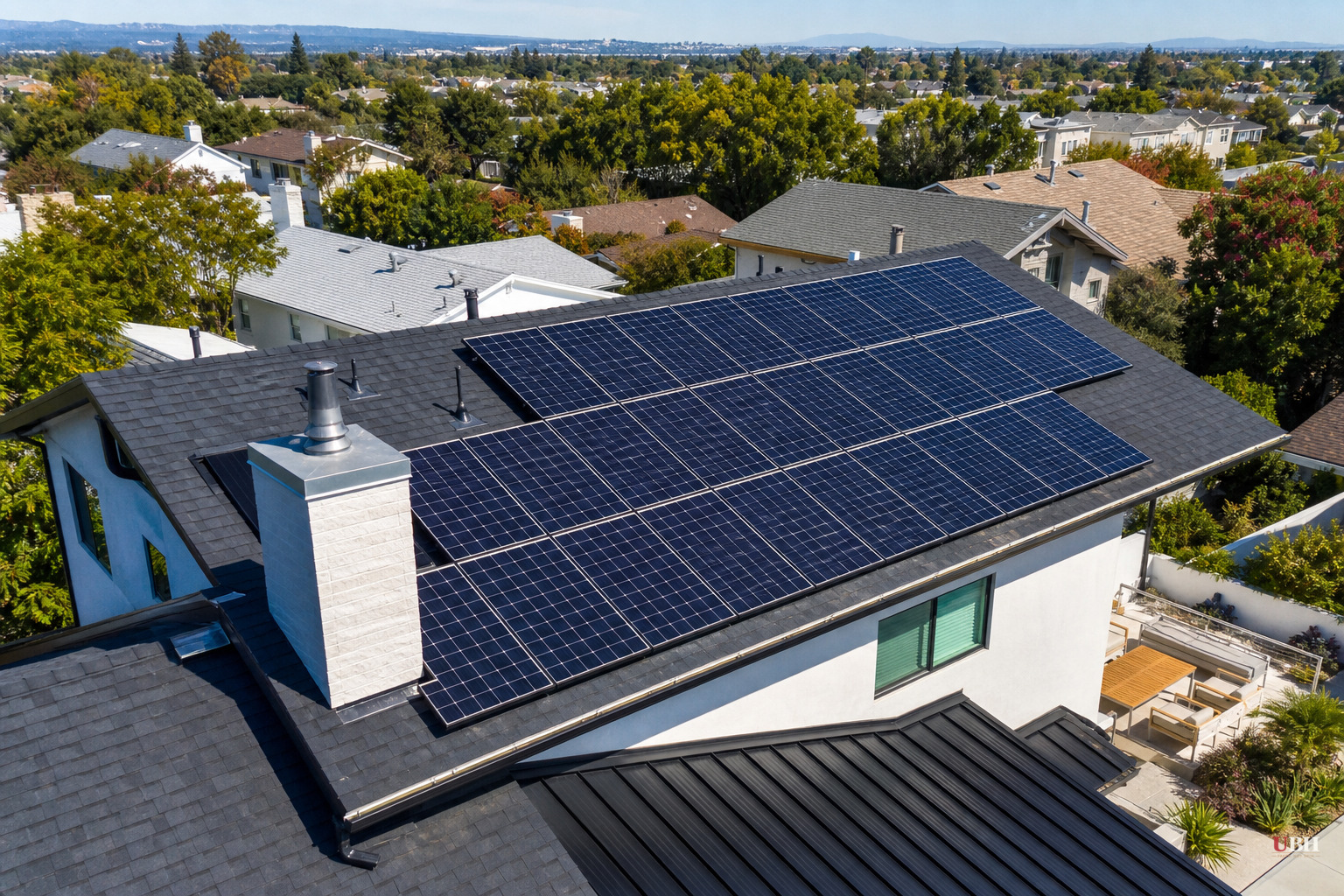
Homeowners shopping for solar panels keep running into the same piece of advice: size your system to produce about 20 percent more electricity than your household currently uses, according to Engadget. The logic is simple math. If a home uses 40 kilowatt-hours a day, the panels should be built to produce roughly 48 kilowatt-hours.
The idea isn't about wasting energy. It's a buffer.
Why the Extra Capacity Exists
Solar output isn't constant. It swings with the seasons, cloud cover, and the angle of the sun, according to Engadget. A system sized exactly to match today's usage on a sunny July afternoon can fall short in December when daylight is scarce and skies are gray.
That 20 percent cushion is designed to keep the lights on during those weaker stretches without forcing homeowners to lean harder on the grid.
Summer heat is one obvious pressure point. As Engadget notes, temperature records keep getting broken, and more households are running air conditioning for longer stretches. Extra solar capacity means that extra AC load doesn't necessarily translate into an extra utility bill.
Winter cuts the other way. Furnaces and heaters run longer, days are shorter, and panels simply produce less energy per hour of daylight. The 20 percent buffer is there to soften that seasonal dip.
The Money Angle
Extra energy your household doesn't use during peak production hours doesn't just vanish. In many markets, it gets sent back to the grid, and depending on your utility and state rules, that can translate into billing credit, according to Engadget.
Some utilities and states also run incentive programs that reward higher production levels with additional discounts. That stacks on top of whatever credit system is already in place.
None of this is automatic money in the bank, though. Net metering policies vary wildly by state and by utility. Some utilities pay close to retail rate for excess power sent back to the grid. Others pay a fraction of that, or nothing close to what you paid to generate it. Before assuming a 20 percent oversized system pays for itself, homeowners need to check their specific utility's buyback terms, because that variable decides whether the extra panels are worth the extra upfront cost.
The Long Game
The strongest case for the 20 percent rule isn't today's electricity bill. It's what your household looks like in five or ten years.
Engadget points out that lifestyle changes can quietly blow past a system sized only for current needs. Switching to a remote job means more hours running lights, computers, and climate control at home. Buying an electric vehicle adds a serious new load to the household's power draw. Installing central air where there wasn't any before does the same.
A system built with zero slack has none of that room. A system built with 20 percent extra capacity absorbs those changes without needing a costly panel expansion down the line, according to Engadget. The tradeoff is straightforward: pay more upfront for headroom, or pay to retrofit later if your energy needs grow. Retrofitting isn't cheap or simple. It can mean re-permitting, additional inverter capacity, and another visit from an installer, on top of the cost of the new panels themselves.
What This Doesn't Guarantee
Engadget notes the 20 percent rule "can definitely save you money, but it's not a guarantee of instant savings."
Oversizing a system costs more on day one. Whether that extra cost pays off depends on your local net metering rate, your state's solar incentive structure, your actual usage patterns, and how long you stay in the home. A household that moves in three years won't see the same return as one that stays for fifteen.
Homeowners considering solar should ask installers for a direct comparison: system sized to current usage versus system sized with the 20 percent buffer, with actual dollar projections for both under their specific utility's buyback rates. That number answers whether the extra capacity is worth it, not a general rule of thumb.
Engadget also flags that new light-absorbing materials, developed by researchers at Oxford, could eventually turn ordinary surfaces into solar generators. That technology isn't commercially available for home installation yet, so it doesn't change today's math on panel sizing. It's a future variable, not a current option.
For now, the decision comes down to a straightforward tradeoff: more panels, more upfront cost, more flexibility later. Homeowners have to run their own numbers against their own utility's rules to know if that trade is worth making.
Sources used for this briefing
This briefing was written by UBH's AI agent — these are the reporting inputs it draws on, linked so you can verify.


