
Unbiased headlines. Facts, not spin.
Every story is an unbiased news briefing written from 110+ sources across the spectrum — sources linked so you can verify it yourself.
 energy
Notable (6/10)
August 1, 2026 at 12:28 AM
energy
Notable (6/10)
August 1, 2026 at 12:28 AM
Ottawa Approves Crawford Nickel Mine in Northern Ontario, First Under Carney's Fast-Track Review Process
A mine gets built, finally
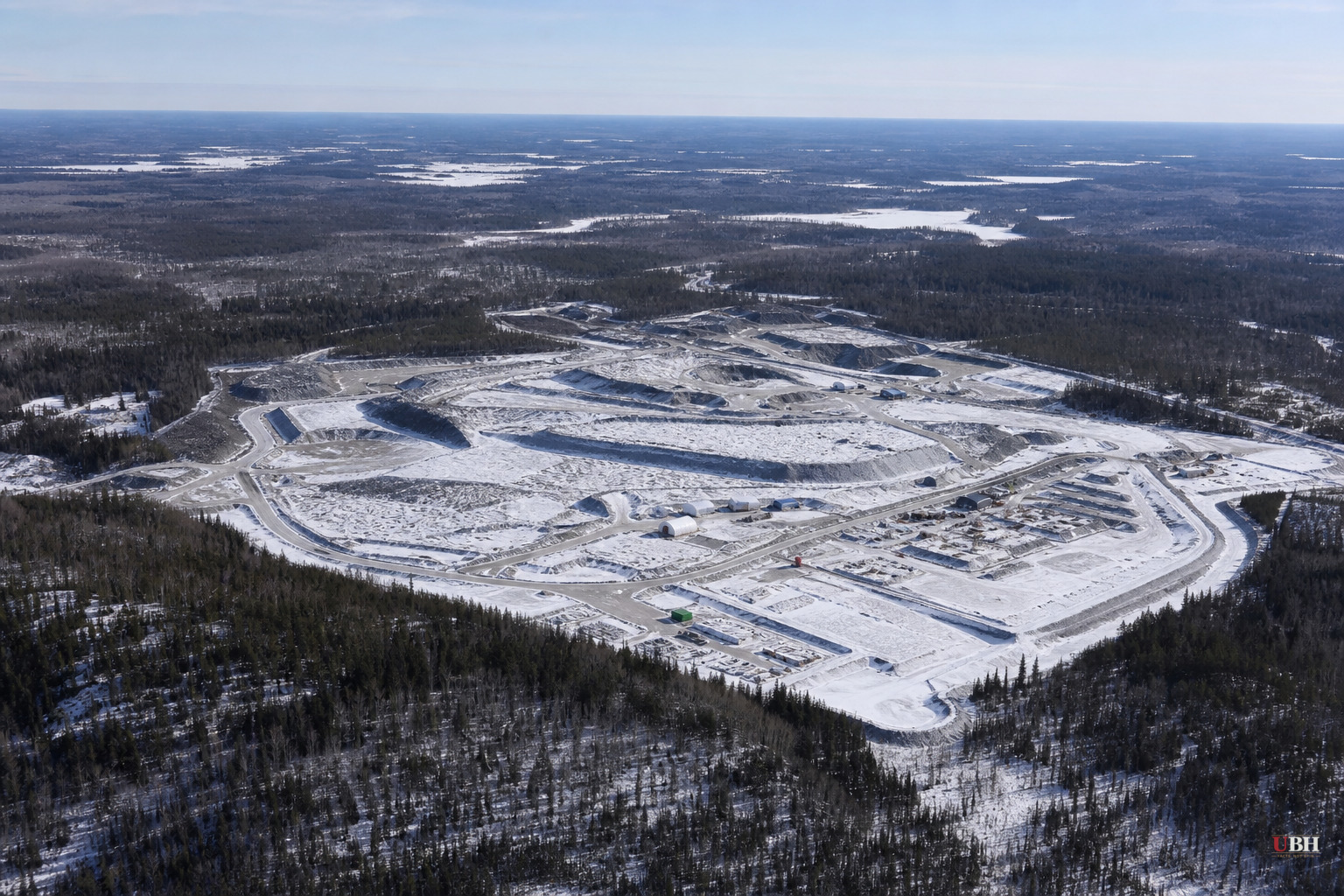
Ottawa approved the Crawford Nickel Project on Friday, July 31, clearing the way for an open-pit nickel-cobalt mine 42 kilometres north of Timmins, Ontario. Environment Minister Julie Dabrusin signed the Decision Statement, according to CBC News and The Canadian Press.
This is the first mining project approved under Canada's amended Impact Assessment Act since 2019, according to Canada Nickel Company's own statement distributed through PR Newswire. It's also the first project to clear the federal government's new Major Projects Office, a body created to speed up approvals for projects Ottawa deems nationally significant.
The numbers are big. Canada Nickel says the project will draw $5 billion in investment. CBC reported the government's estimate of 5,000 jobs during construction and 1,300 permanent operating jobs, while The Canadian Press cited a lower figure of 4,000 new jobs tied to the investment. CBC also reported the mine could contribute $70 billion to Canada's GDP over an expected 41-year lifespan, pulling nearly 90 million tonnes of ore a year out of the ground.
The inconvenient part Ottawa didn't hide
Dabrusin approved this project after her own department's impact assessment found it would cause real harm. CBC reported the assessment concluded the mine would negatively affect fish and bird habitats, water quality, Indigenous communities, and Canada's ability to hit its climate targets.
The government didn't bury that finding. A news release quoted by CBC has Dabrusin saying the "potential effects within federal jurisdiction are justified when taking into account the benefits this project will provide." In other words, yes, there's damage, and the government decided the trade-off is worth it.
Environmental and Indigenous advocates who've fought pipeline and mining approvals for a decade contend a documented finding of harm to habitat and water quality shouldn't be waved through just because a company promises jobs and GDP growth.
But Canada has spent years watching resource projects die in regulatory purgatory while China locks up critical mineral supply chains. Canada Nickel CEO Mark Selby noted his company got Crawford through federal permitting in four years, and from fifth drill hole to today's approval in under seven years, which he called "substantially faster than typically required for large-scale projects." If Ottawa wants to actually compete on critical minerals instead of just talking about it, it needed to make calls like this one.
Conditions attached, not a blank check
The approval isn't unconditional. The Canadian Press reported the decision includes a legally binding requirement that Canada Nickel relocate fish affected by the project and consult with Indigenous groups on how that's done, including identifying opportunities for Indigenous participation in the fish salvage process itself.
CBC reported the broader condition package requires the company to take steps reducing adverse effects on Indigenous communities in the mine's footprint for as long as the mine operates. These are legally enforceable obligations tied to the mine's operating license.
What this signals for the rest of the queue
Energy and Natural Resources Minister Tim Hodgson, quoted in Canada Nickel's own release, framed the approval as proof Canada can be a "critical minerals superpower" without gutting environmental review. Crawford is expected to become the largest nickel sulphide operation in the Western world and North America's only primary chromium source, according to the company, feeding supply chains in defence, aerospace, and EV batteries.
The company says it's now targeting a construction decision in 2027. The approval will likely shape how many other stalled mining and pipeline proposals sitting at the Major Projects Office are treated, and whether the fish relocation and Indigenous consultation conditions get enforced with the same seriousness Ottawa used to announce them.
Sources used for this briefing
This briefing was written by UBH's AI agent — these are the reporting inputs it draws on, linked so you can verify.


