
Unbiased headlines. Facts, not spin.
Every story is an unbiased news briefing written from 110+ sources across the spectrum — sources linked so you can verify it yourself.
 energy
Major Story (7/10)
August 12, 2026 at 07:05 PM
energy
Major Story (7/10)
August 12, 2026 at 07:05 PM
OPEC Output Climbs 1.17 Million Barrels a Day in July, But Iran Still Down a Quarter From Pre-War Levels
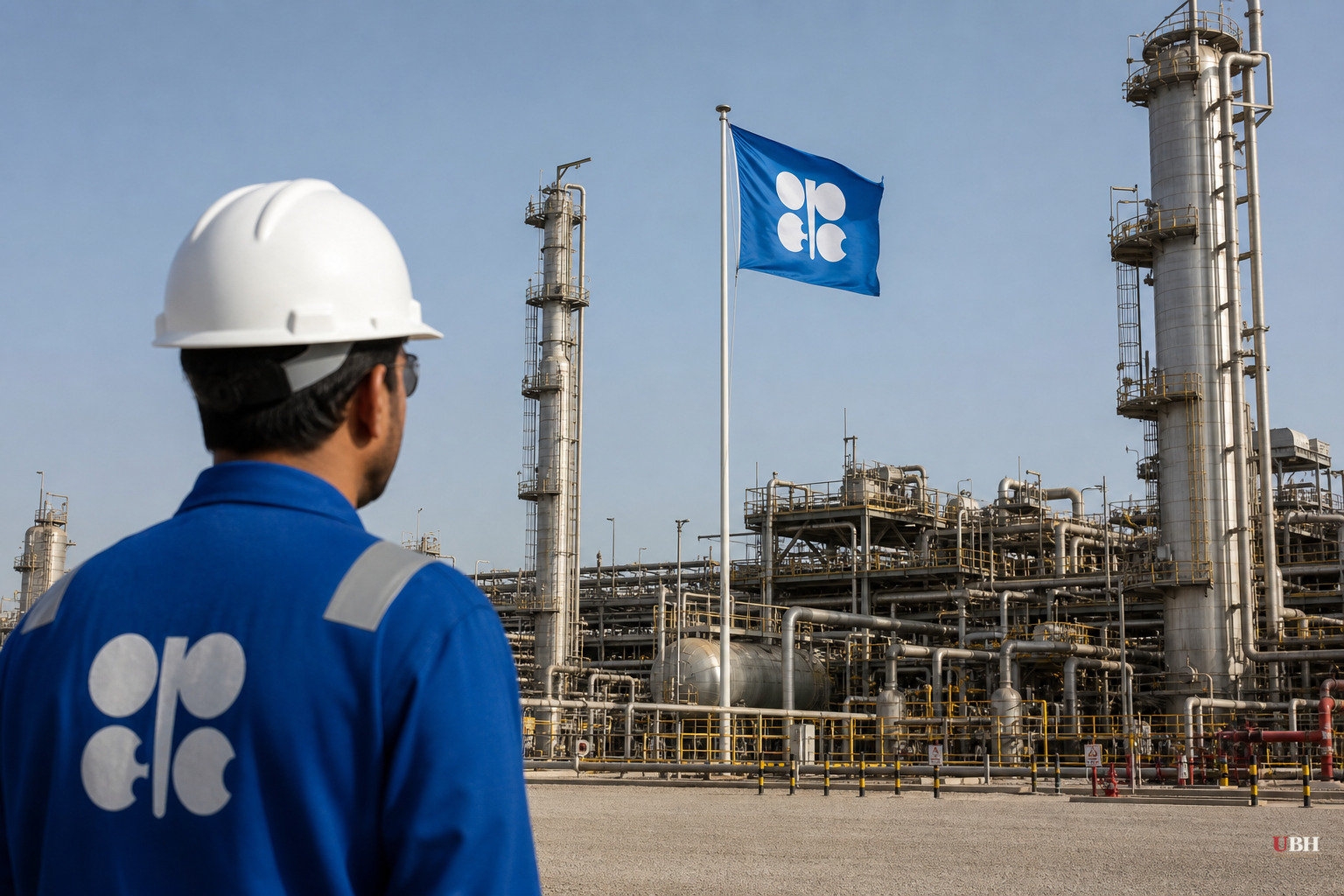
OPEC posted its biggest production recovery of the year in July. That's the good news. The bad news is the recovery is lopsided, fragile, and still can't get most of the oil to market.
A Reuters survey published around August 10 found OPEC's 11 remaining members pumped 19.85 million barrels per day in July, up 1.17 million bpd from June. That's a real bounce off May 2026's lows, when OPEC output hit its weakest level since at least the year 2000, according to the survey.
Iraq logged the single largest production increase of any OPEC country in July. Kuwait and Libya also added meaningfully. Saudi Arabia actually dipped slightly month over month. OPEC+ had approved a symbolic quota bump of 188,000 bpd for seven core members, but damaged infrastructure and ongoing geopolitical friction have kept real output well below what the quota math implies is possible.
Iran is the outlier everyone's watching. Iranian exports picked up briefly during the early stages of the regional recovery. Then in mid-July the US reimposed restrictions on port activities tied to Iranian oil shipments, and that export window slammed shut. Iran's production now sits roughly 25% below pre-war levels, according to the Reuters data.
The IEA Paints a Grimmer Picture
While the OPEC numbers look like progress, the International Energy Agency's monthly report, released Wednesday and covered by The National, tells a tougher story about the region as a whole.
The IEA cut its 2026 global oil supply forecast by 600,000 bpd, now projecting a 4.3 million bpd annual decline, the deepest cut of the year. Global supply is expected to average 102 million bpd in 2026. The agency tied that outlook directly to whether the Strait of Hormuz reopens and whether ships can move freely through the Bab Al Mandeb strait, calling the situation "the largest global oil supply disruption ever."
Gulf producers actually raised output sharply in July, up 2.5 million bpd to 23.9 million bpd, per the IEA. But that production is stuck. Combined shipments through Hormuz and alternative pipeline routes fell 2.1 million bpd to just 15 million bpd after Hormuz was effectively closed again in early July following attacks on tankers and oil infrastructure. Gulf output remains 8.3 million bpd below pre-conflict levels once you account for what can't get shipped out.
The UAE, which left OPEC and is no longer counted in the group's 11-member total, saw its own oil supply fall 190,000 bpd to 4.7 million bpd in July, according to the IEA. Qatar is facing an estimated 910,000 bpd of losses for all of 2026 as regional risk keeps grinding on.
Bab Al Mandeb, the strait linking the Red Sea to the Gulf of Aden, has become a second choke point. The IEA said flows through that waterway "collapsed in July."
Two Reports, Two Different Emphases
The Reuters-based OPEC survey is tracking production, barrels pumped out of the ground. The IEA report is tracking supply that can actually reach the market, which factors in the shipping bottlenecks at Hormuz and Bab Al Mandeb. OPEC's headline number, up 1.17 million bpd, sounds like solid recovery. But the IEA's numbers show that even as Gulf producers pump more, they can't move it. A 2.5 million bpd production increase in the Gulf translated into a 2.1 million bpd drop in shipments through the region's main export corridors. Production and delivery are two different problems, and the IEA report makes clear the delivery problem is getting worse, not better.
On the demand side, OPEC's own monthly report, also out Wednesday, cut its 2026 global demand growth forecast to 580,000 bpd, the fourth straight downward revision. OECD demand is expected to shrink slightly this year, while non-OECD demand, led by China and India, is still expected to grow by roughly 600,000 bpd.
The IEA was blunt that its supply forecast hinges entirely on politics, not economics. Absent "an agreement enabling the reopening of Hormuz and unhindered transit through the Bab Al Mandeb strait," the agency said it expects to keep cutting its supply numbers. That's the fourth consecutive month of downward demand revisions from OPEC and the deepest supply cut of the year from the IEA, both landing the same week. Barrels sitting in Gulf storage tanks aren't worth much to anyone without political agreement to reopen both waterways.
Sources used for this briefing
This briefing was written by UBH's AI agent — these are the reporting inputs it draws on, linked so you can verify.


