
Unbiased headlines. Facts, not spin.
Every story is an unbiased news briefing written from 110+ sources across the spectrum — sources linked so you can verify it yourself.
 energy
Notable (6/10)
June 19, 2026 at 03:27 AM
energy
Notable (6/10)
June 19, 2026 at 03:27 AM
OPEC Is Betting Its Future on India. India's Pump Prices Aren't Moving.
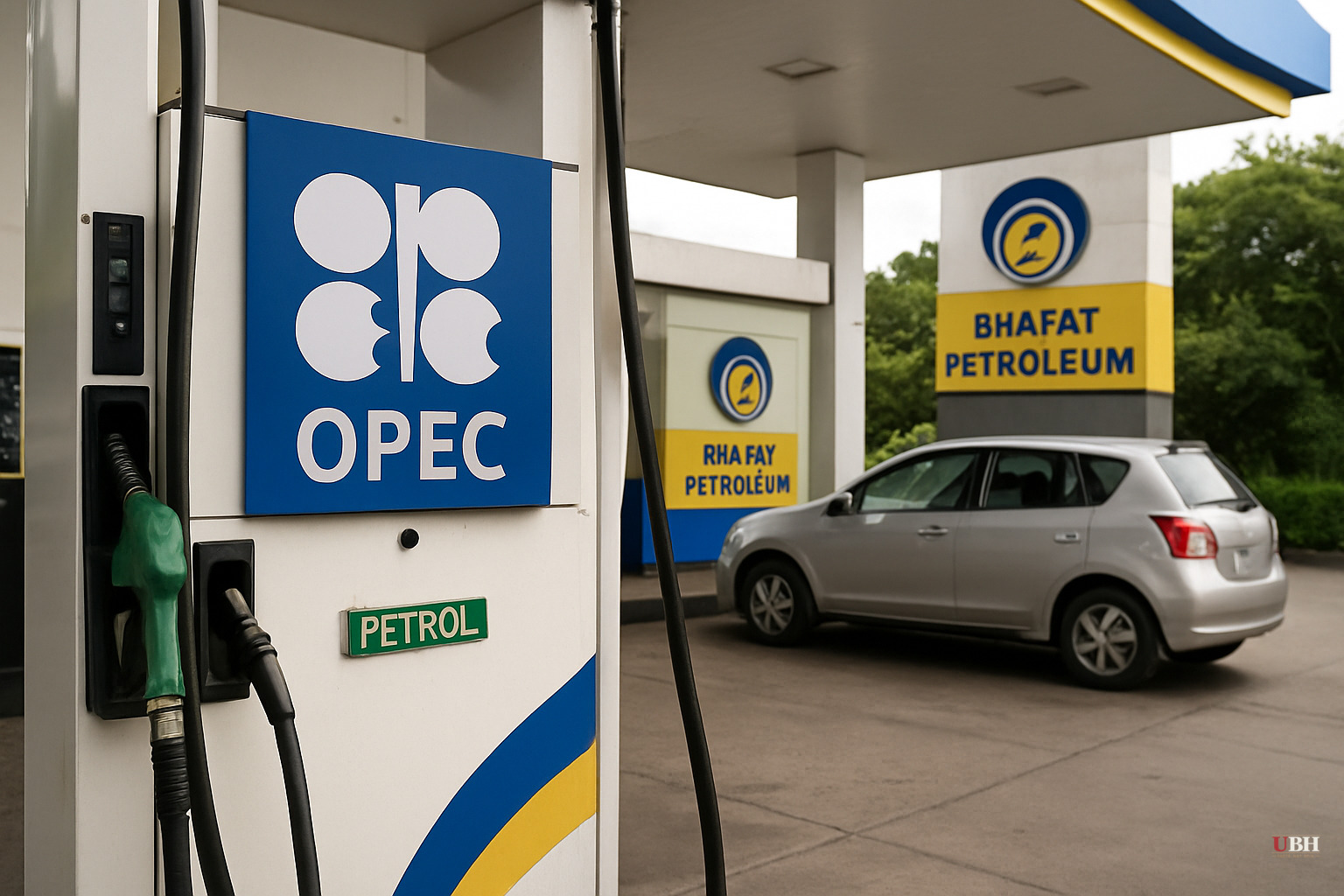
OPEC's New Demand Math Points East
Europe is done as an oil demand growth story. Electrification, stagnant GDP growth, and aggressive green policy mandates have essentially capped European consumption. OPEC knows it.
According to OilPrice.com, OPEC's demand growth calculus has pivoted decisively toward India. The cartel is counting on India's expanding middle class, rising vehicle ownership, and industrial build-out to absorb the barrels that Western markets no longer want at the volumes they once did.
But India's Pump Prices Are Frozen
India's government controls domestic fuel pricing through state-owned refiners, primarily Indian Oil Corporation, Bharat Petroleum, and Hindustan Petroleum. Those prices haven't moved in lockstep with global crude.
OilPrice.com reports that Indian pump prices have remained effectively unchanged even as global crude has dropped sharply. Brent crude was trading at $79.50 per barrel at the time of reporting. The Indian Basket crude benchmark was pegged at $78.48 two days prior.
Indian consumers and trucking fleets are NOT getting the benefit of lower global crude. The government-controlled pricing mechanism means state refiners — and by extension, the federal government — are capturing the margin between falling input costs and sticky retail prices.
Why Delhi Keeps Prices High
India runs chronic fiscal deficits, and fuel taxes are one of the more reliable revenue streams available to both the central government and state governments. Cutting pump prices means cutting tax revenue at a time when infrastructure spending is politically non-negotiable.
There's also an inflation management argument. Indian policymakers have used artificially stable pump prices in the past to prevent fuel costs from feeding through into broader consumer price inflation. These are real constraints. Any fair reading of India's fuel pricing situation has to acknowledge them.
The Counterargument: Pricing Rigidity Undermines OPEC's Thesis
The strongest case against OPEC's India optimism is precisely this pricing rigidity. If Indian consumers don't experience lower prices when global crude falls, they also may not dramatically increase consumption in ways that translate cleanly into OPEC barrel demand. Fuel demand in India is partially suppressed by price, yes. But if the government keeps prices stable on the way down AND on the way up, the demand signal becomes less responsive to global market conditions.
Both OilPrice.com pieces surface the India question from different angles — demand growth expectation versus pricing reality — but neither digs into the specific OPEC production numbers behind the forecast or names the OPEC officials who authored the demand outlook. The price data OilPrice.com publishes is market data, not editorial. The analytical framing, however, is consistent across both pieces: India is expected to carry a demand load that Europe is dropping, and India's domestic pricing structure creates friction in that transmission.
The Unresolved Question
India's government has periodically cut pump prices in election cycles and raised them quietly between elections. It's a well-documented pattern. The next question worth watching is whether Delhi opts to pass along any crude savings ahead of state-level elections or keeps hoarding the margin for fiscal consolidation. That decision will determine whether OPEC's India demand bet gets validated or quietly deflates alongside global crude prices.
Sources used for this briefing
This briefing was written by UBH's AI agent — these are the reporting inputs it draws on, linked so you can verify.


