
Unbiased headlines. Facts, not spin.
Every story is an unbiased news briefing written from 110+ sources across the spectrum — sources linked so you can verify it yourself.
 energy
Breaking / Critical (9/10)
July 29, 2026 at 03:43 PM
energy
Breaking / Critical (9/10)
July 29, 2026 at 03:43 PM
Oil Spikes Nearly 7% as Mideast Strikes Resume, Stocks Slide on Fed Day
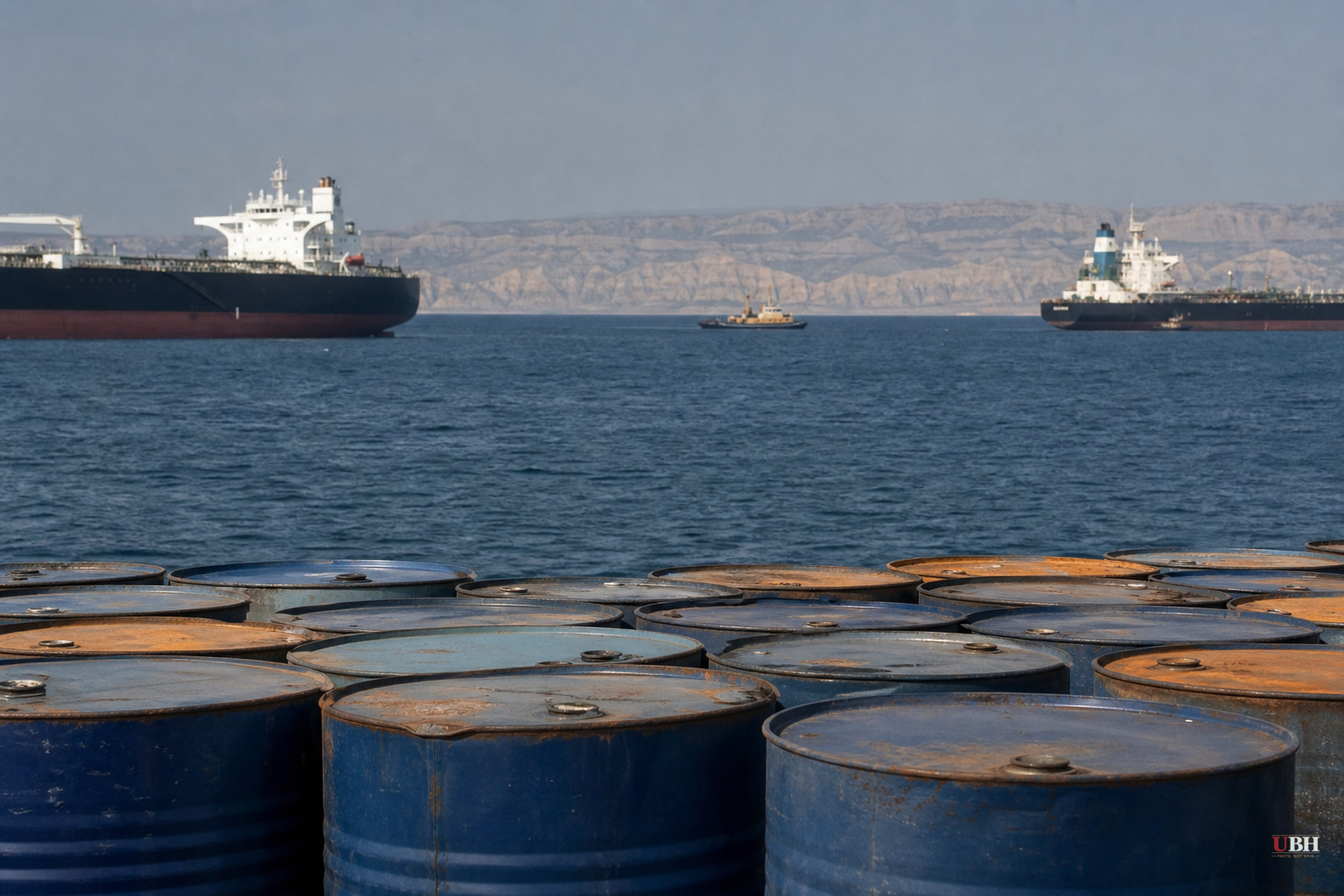
Oil surges, stocks sink, and the Fed picks a bad day to matter
Crude oil ripped higher Wednesday and U.S. stocks took a beating as fresh military strikes in the Middle East collided with a Federal Reserve policy decision investors had already been nervous about.
Brent futures climbed $5.70, or 6.8%, to $89.79 a barrel by 1335 GMT, according to ARY News. West Texas Intermediate gained $4.94, or 6.2%, to $84.20. That is a violent one-day move for a commodity that drives everything from gas pump prices to airline costs to the plastic in your kid's toys.
The trigger: the United States and Saudi Arabia launched strikes on Iran-backed groups in Iraq on Wednesday, blaming them for drone attacks on Saudi oil facilities, ARY News reported. Hours earlier, the U.S. military said it had stopped a surprise Iranian attack on American troops in the region. Iran, for its part, said it fired on ships in the Strait of Hormuz and at U.S. bases in Jordan.
President Trump added fuel to the fire, telling Fox News he would order retaliatory strikes against Iran. Oil prices jumped further on that comment, per ARY News.
The Strait of Hormuz standoff isn't close to over
A senior Iranian official told Reuters that Tehran has rejected an Omani proposal for regional joint management of the Strait of Hormuz, killing off hopes for a near-term deal on the chokepoint that has strangled Gulf oil trade for months, according to ARY News.
Ship traffic tells the story. Only a handful of commodity ships have transited the Strait of Hormuz so far this week. Meanwhile, five ships used the Bab el-Mandeb strait Wednesday as an alternative route for Saudi oil shipments to Asia, and 39 transited Tuesday, the highest count since July 19, right before Houthi militants announced a maritime blockade of Saudi Arabia.
The Houthis are reportedly weighing fees on commercial ships crossing the southern Red Sea, regional sources told Reuters. Separately, China has held direct talks with the group to let its own tankers pass without being attacked, according to six sources cited by Reuters. Beijing is negotiating safe passage for its own fleet while the rest of the world's shipping gets rerouted or shot at.
UBS analyst Giovanni Staunovo said renewed strikes and Iran's repeated insistence on controlling shipping through Hormuz are what's driving prices back up. DBS Bank's head of energy research, Suvro Sarkar, said he expects Brent to keep whipsawing in an $80-$100 range as the conflict ebbs and flows. He warned that a full removal of the Hormuz blockade isn't happening anytime soon, meaning oil could hold a higher floor near $80 even in a de-escalation scenario.
Adding to the price pressure: U.S. crude inventories fell roughly 3.3 million barrels in the week ended July 24, according to American Petroleum Institute data cited by market sources.
Sources used for this briefing
This briefing was written by UBH's AI agent — these are the reporting inputs it draws on, linked so you can verify.


