
Unbiased headlines. Facts, not spin.
Every story is an unbiased news briefing written from 110+ sources across the spectrum — sources linked so you can verify it yourself.
 energy
Major Story (8/10)
July 22, 2026 at 07:21 AM
energy
Major Story (8/10)
July 22, 2026 at 07:21 AM
Oil Prices Keep Climbing as Iran Conflict Chokes Off Hormuz Shipping
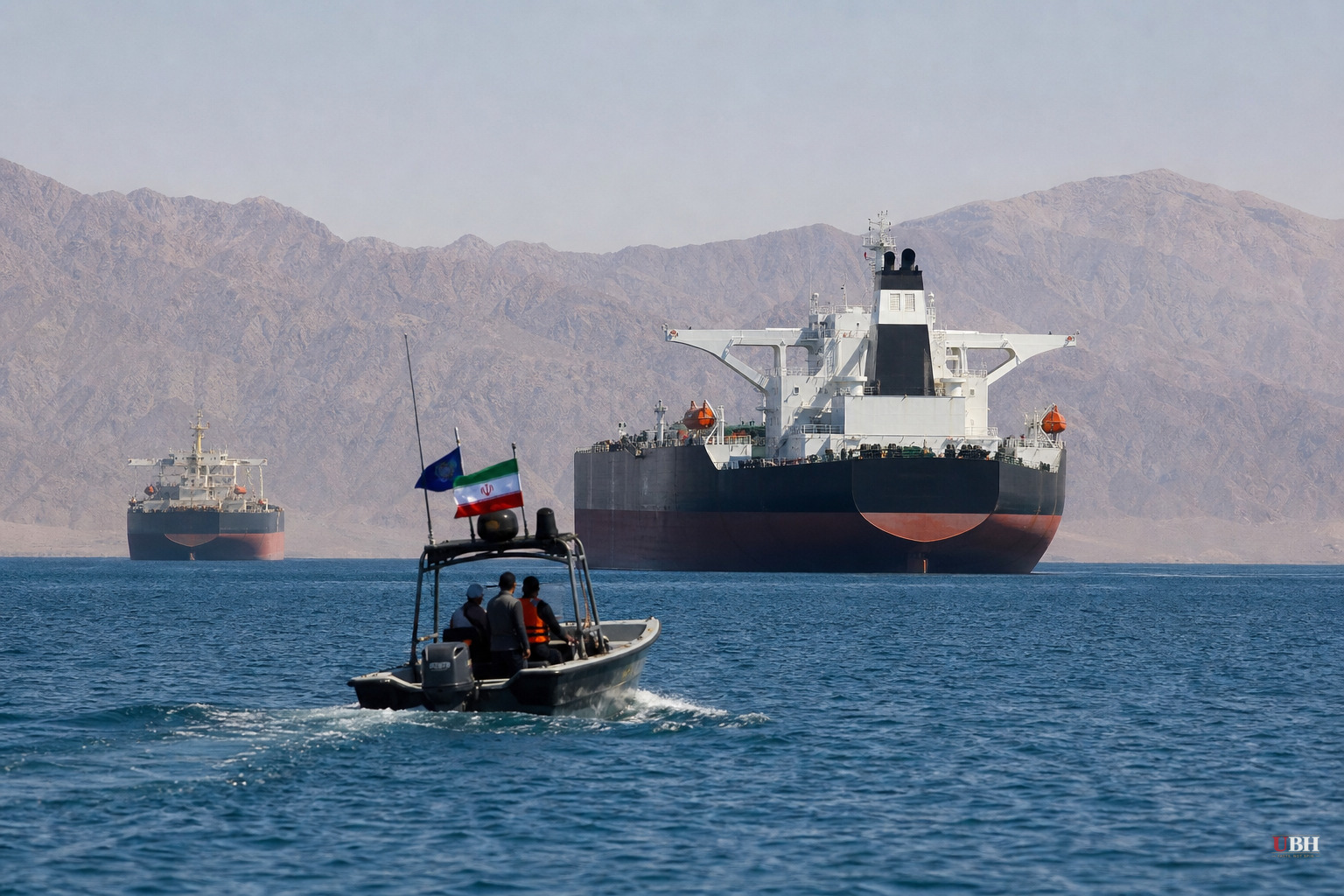
Brent crude sat at $92.20 a barrel and West Texas Intermediate traded near $85.26 in early trading, both climbing again as the U.S.-Iran conflict grinds on with no ceasefire or de-escalation in sight, according to OilPrice.com.
Murban crude, the Abu Dhabi benchmark that's often the first to move on Gulf shipping fears, spiked nearly 5% to $85.77, according to OilPrice.com pricing data. Traders are pricing in real disruption risk in the Strait of Hormuz, not just headline noise.
India Backs Away From Iraqi Barrels
India, one of the world's biggest oil importers, is pulling back from Iraqi crude because shipping through Hormuz has gotten too dangerous, OilPrice.com reported. Iraq exports almost all its oil through the strait, so any Indian refiner nervous about war-risk insurance premiums or tanker availability has an obvious alternative: buy elsewhere.
When a buyer as large as India starts rerouting away from a major supplier because of a shipping chokepoint, it signals that insurers and shipowners are already adjusting their risk models, whether or not a single tanker has been hit yet.
U.S. Crude Stockpiles Are Building
Domestically, U.S. crude oil inventories are rising, according to OilPrice.com, and the outlet ties that build directly to the Hormuz shipping headache. When global crude can't move as freely through the world's most important chokepoint, some barrels back up in storage instead of reaching refiners or export terminals. This reflects a mechanical effect of disrupted logistics, not necessarily a demand problem.
For American drivers, that inventory build is a mixed signal. More oil sitting in storage can eventually pressure prices lower domestically, but it's happening at the same time gasoline futures ticked up to $3.425 a gallon and heating oil rose to $4.152, both up slightly on the day. The bigger global supply risk is winning out over the local inventory cushion for now.
What's Confirmed and What Remains Unclear
Brent and WTI are both up, Murban spiked hard, India is shifting away from Iraqi oil, and U.S. inventories are building because of Hormuz-related shipping friction. All of that comes from OilPrice.com's own market data and reporting.
Not confirmed in this reporting: any specific tanker seizure, mine strike, or military action in the strait itself on this particular day. The price moves and the Indian import shift are reactions to elevated risk and uncertainty, not necessarily confirmation of a completed attack on shipping. Markets price in probability, not just events that have already happened, and that distinction matters when reading a 5% single-day spike in a regional benchmark like Murban.
The Asia Angle Nobody's Solved Yet
OilPrice.com frames this explicitly as a long-term Asian energy problem, not just a Middle East story. Countries like India, China, Japan, and South Korea depend heavily on Gulf crude moving through Hormuz. Separately, OilPrice.com has reported that the U.S. says China has slashed Iranian oil purchases by 40%. If insurers keep raising war-risk premiums and shipowners keep avoiding the strait, Asian refiners face a choice between paying more for Gulf oil, seeking alternative suppliers, or drawing down their own strategic reserves.
None of those options are painless. Rerouting to non-Gulf suppliers takes time and infrastructure. Paying elevated premiums gets passed straight to consumers at the pump. And reserve drawdowns only work as a short-term bridge.
The open question is how long the U.S.-Iran conflict continues without a resolution, and whether any Hormuz shipping incident escalates further from here. Traders will be watching for the next OPEC or IEA inventory report, and for any confirmed disruption to an actual vessel transiting the strait, as the next real signal of where this goes.
Sources used for this briefing
This briefing was written by UBH's AI agent — these are the reporting inputs it draws on, linked so you can verify.


