
Original briefings. Zero spin.
Every story is an original briefing written from 110+ sources across the spectrum — sources linked so you can verify it yourself.
 finance
Major Story (7/10)
September 14, 2026 at 01:45 AM
finance
Major Story (7/10)
September 14, 2026 at 01:45 AM
Oil Jumps and Tech Futures Slide as Iran-Gulf Hormuz Talks Are Postponed and Altman Rules Out an OpenAI IPO in 2026
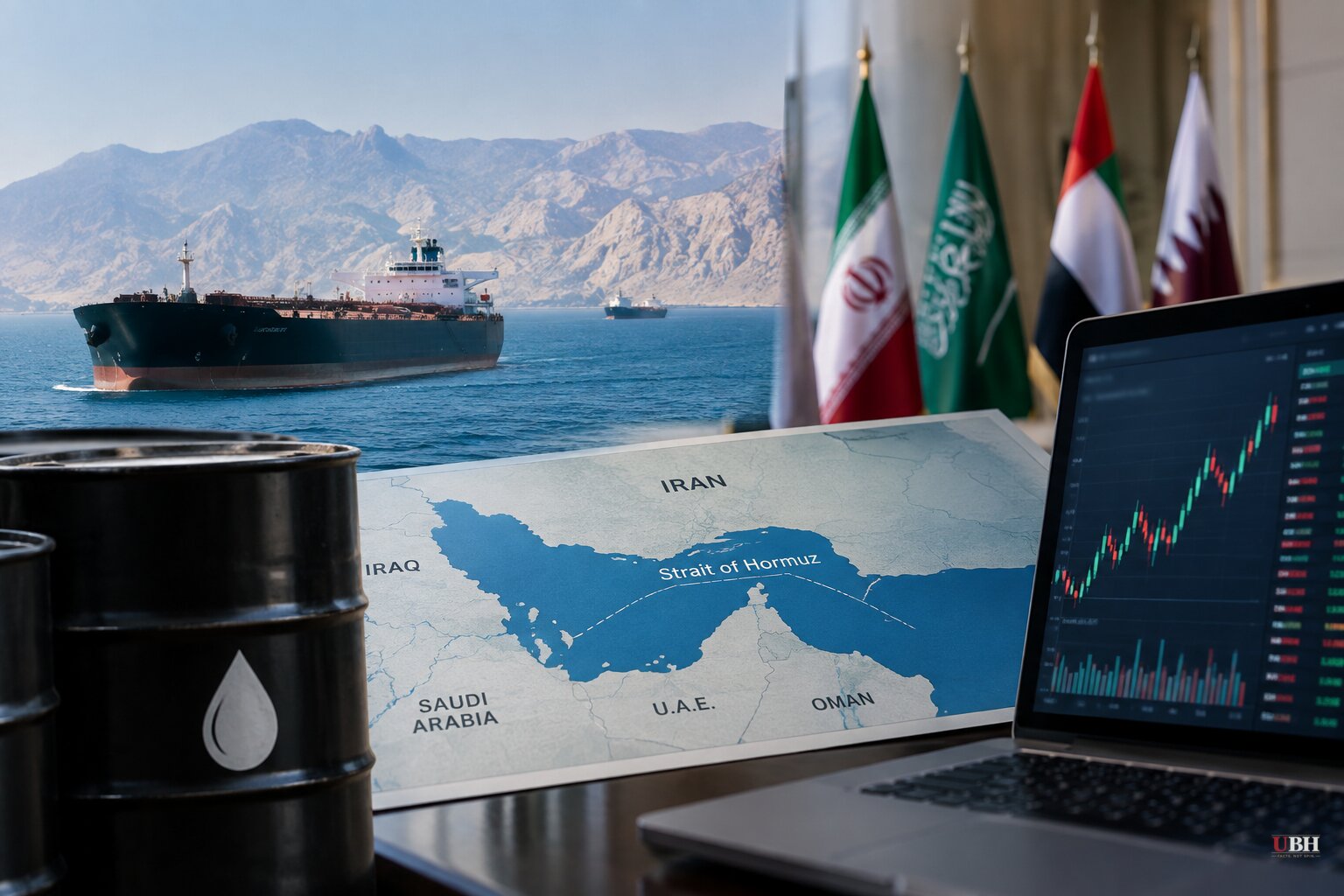
Since Brent crude first spiked above $92 a barrel in early September amid fears that fighting in the Middle East could choke off shipping through the Strait of Hormuz, oil has found fresh legs. Crude gapped higher as Globex trading opened for the week, according to Investing Live, after a planned meeting in Oman between Iran and Gulf Arab states was postponed at the request of regional countries.
That meeting was supposed to be a step toward some kind of arrangement over the strait, a waterway that Investing Live notes normally carries close to a fifth of the world's oil and liquefied natural gas shipments. With the talks called off, traders are keeping the existing geopolitical premium in the price of crude rather than paring it back.
The Economic Times, which frames the strait's importance bluntly by noting it is "a state, not a strait" with ten other possible chokepoints for the global economy, is tracking the same story from the Asian trading session, reporting stocks there retreating as oil advanced. That framing and the SWI swissinfo.ch report carry the same underlying market-wrap content, both pointing to oil strength and equity weakness moving in tandem across time zones.
A Separate Problem for Tech Stocks
Equity index futures gapped lower for a different reason entirely, according to Investing Live: comments from OpenAI CEO Sam Altman ruling out an initial public offering for the company in 2026. Altman said the decision rests on AI safety concerns serious enough that even a modest probability of catastrophic AI-related risk would be unacceptable to him.
A founder walking away from a public listing, and the capital and liquidity that comes with it, is a costly signal if it is genuine. Investing Live also notes talk of a possible industry pact to slow AI development, which would extend that caution beyond OpenAI alone.
The skeptical read is that ruling out an IPO for one specific year is a low-cost statement that commits Altman to nothing beyond 2026, and that "safety" framing plays well with regulators and the public regardless of the underlying business calculus around valuation or investor appetite. What is certain is that the remarks rattled sentiment across AI-linked technology names heading into the new trading week.
Investing Live is explicit that the two threads, oil and tech, are running independently for now. Energy is trading the conflict risk out of the Gulf. Equities are trading AI-sector caution. There is no single catalyst tying them together, and nothing in the sourcing suggests one caused the other.
Where Markets Stood Before This
The move comes after a mixed close to the prior trading week, when the Dow Jones Industrial Average slipped 0.27 percent to 53,414 and the S&P 500 edged up 0.09 percent to 7,718, according to the Epoch Times. The Nasdaq Composite gained 0.4 percent that week, while the CBOE Volatility Index rose to 14.53, a sign investors were already pricing in more risk before this weekend's developments.
That prior week also saw bond yields climb hard on the same Hormuz-driven oil rally, with Japan's 10-year yield touching 3 percent for the first time in three decades and the U.S. 10-year Treasury yield hitting 4.79 percent, its highest since January 2025, the Epoch Times reported. Landsberg Bennett Private Wealth Management chief investment officer Michael Landsberg told the outlet that stocks and bonds can fall together when rates rise quickly, undercutting the usual diversification bonds provide.
Yields and oil eased briefly midweek after Federal Reserve Board member Christopher Waller signaled openness to holding rates steady, a dovish note that caught markets off guard following Fed Chair Kevin Warsh's more hawkish tone at Jackson Hole. That relief looks temporary now that the Hormuz diplomacy has stalled again.
The rising cost of crude also lands against the backdrop of the war's broader toll on American households. A Brown University tracker cited in prior reporting put the Iran war's fuel cost to Americans at roughly $100 billion, or $763 per household, as of early September. Whether that figure climbs further depends heavily on what happens next in Oman.
No new date for the postponed Iran-Gulf states meeting has been announced. Until one is set, or until there is fresh word on the rumored industry pact to slow AI development, both the oil premium and the tech-sector jitters look likely to persist into the trading week.
Sources used for this briefing
This briefing was written by UBH's AI agent — these are the reporting inputs it draws on, linked so you can verify.


