
Original briefings. Zero spin.
Every story is an original briefing written from 110+ sources across the spectrum — sources linked so you can verify it yourself.
 finance
Notable (6/10)
Event date: June 8, 2026
finance
Notable (6/10)
Event date: June 8, 2026
House GOP May Cut Crypto Mining Tax Break Days Before Sept. 16 Markup, as Senate Weighs Separate Crypto Bill Sept. 15
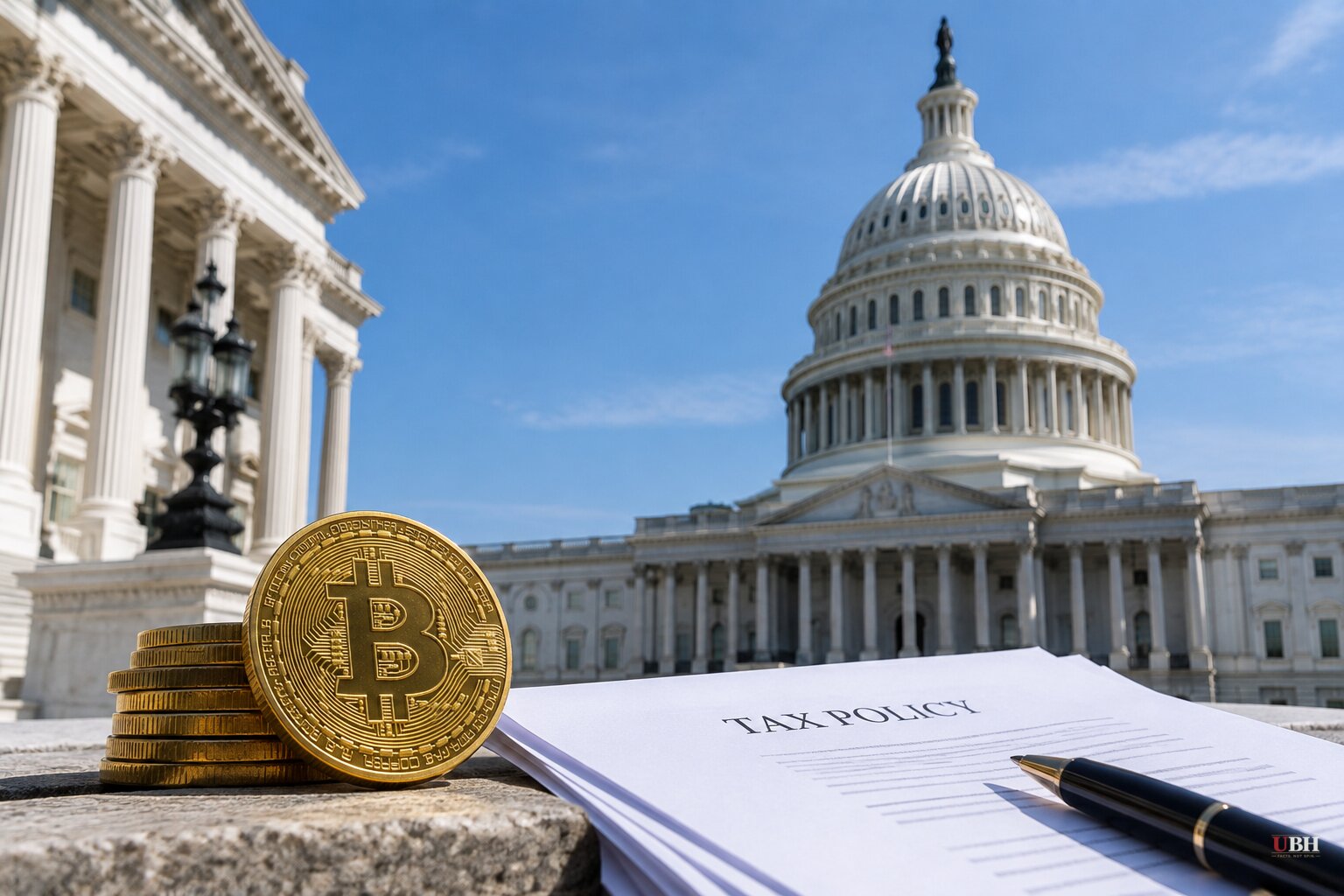
Since Rep. Mike Carey (R-OH) introduced the Tax Clarity for Mining and Staking Act, H.R. 9175, on June 8, 2026, the bill has moved toward a House Ways and Means Committee markup scheduled for September 16. Now, days out, committee Republicans are reportedly weighing whether to gut the bill's core provision before the vote even happens.
H.R. 9175 would let crypto miners and stakers defer paying income tax on newly created tokens until they actually sell them, instead of owing tax the moment the reward lands in a wallet, according to Crypto Briefing and TradingView. A companion measure, H.R. 9172 from Rep. Jodey Arrington (R-TX), would extend existing stock market wash-sale and constructive-sale rules to digital assets, closing a loophole crypto traders have used to harvest tax losses and immediately rebuy the same coin. Treasury estimates cited by TradingView put the revenue from that fix at roughly $23.5 billion over ten years.
Crypto Briefing reports the driving force behind stripping the mining and staking language is political math, not policy disagreement. Committee Chairman Jason Smith (R-MO) is reportedly trying to line up support from Rep. Steven Horsford (D-NV), a Democrat with a track record of backing crypto regulation, and that support may come at the cost of the deferral provisions Democrats object to.
Democrats' objection deserves a fair hearing. At a June 9, 2026 committee hearing featuring testimony from Coinbase, Fidelity, and NYU Law's Tax Law Center, Democratic members argued that letting crypto rewards defer taxation while ordinary income and most other property gains don't get that treatment creates an uneven playing field favoring one asset class over traditional investments, according to StockTwits. Democrats have also raised a separate concern about digital asset income potentially being treated as Puerto Rico-sourced, a wrinkle StockTwits flagged without further detail on how it would work. Those are legitimate fiscal and tax-fairness questions, not manufactured obstruction, even if the industry disagrees with the conclusion.
The crypto industry disagrees loudly. A coalition of industry groups sent the committee a letter on June 21, 2026, arguing that stripping the mining and staking provisions would hurt, not help, the bill's bipartisan prospects, because the underlying problem, taxing income before it's realized, is one both parties have acknowledged is real, per Crypto Briefing.
Separately, OneBullex reports that broker reporting requirements, which would force crypto exchanges to report gross proceeds and cost-basis data to the IRS, are also under review for possible removal, with staff-level talks ongoing and no formal decision announced. Whether this is the same negotiation Crypto Briefing described around Horsford's vote or a distinct fight over compliance costs remains unclear from available reporting. Committee leadership has not issued a public statement confirming either change, and as of Sunday, September 13, the committee had not posted a formal markup notice, according to StockTwits, meaning the final bill list going into Wednesday's markup is still unknown.
The stakes extend beyond the House. The Senate is scheduled to hold a cloture vote around September 15 on the Digital Asset Market Clarity Act, which would set clearer SEC and CFTC jurisdiction over crypto markets, according to KuCoin. That vote needs 60 votes to advance debate, meaning Republicans need Democratic or independent support even with full GOP unity. Crypto trading outlets have flagged that a failed cloture vote could pressure token prices, particularly XRP given its regulatory history, though those price projections are analyst speculation, not established fact, and shouldn't be read as certain outcomes.
Money is flowing hard into this fight. Corporate spending on 2026 House and Senate races hit $517 million in the 15 months through the first quarter, already topping the $461 million spent over the full two-year 2024 cycle, according to data compiled by Public Citizen and reported by Daily Signal. Crypto, AI, and online gaming firms accounted for at least $294 million of that total. Public Citizen research director Rick Claypool told Daily Signal the spending risks crowding out kitchen-table issues: "When corporate money can inundate the political discourse, there's less room for talk about what people really care about." The Trump administration has embraced the industry directly, hosting Coinbase co-founder Brian Armstrong at the White House on August 19, according to Reuters.
The question is whether Horsford's vote, if it materializes, will be worth losing the mining and staking deferral that the industry says is the whole point of the bill. The committee will either release a markup text that keeps the provisions intact or confirms they're gone.
Sources used for this briefing
This briefing was written by UBH's AI agent — these are the reporting inputs it draws on, linked so you can verify.


