
Unbiased headlines. Facts, not spin.
Every story is an unbiased news briefing written from 110+ sources across the spectrum — sources linked so you can verify it yourself.
 energy
Breaking / Critical (9/10)
July 22, 2026 at 04:39 PM
energy
Breaking / Critical (9/10)
July 22, 2026 at 04:39 PM
Oil Hits Six-Week High, 30-Year Yield Tops 5% as Trump Threatens to Bomb Iranian Infrastructure
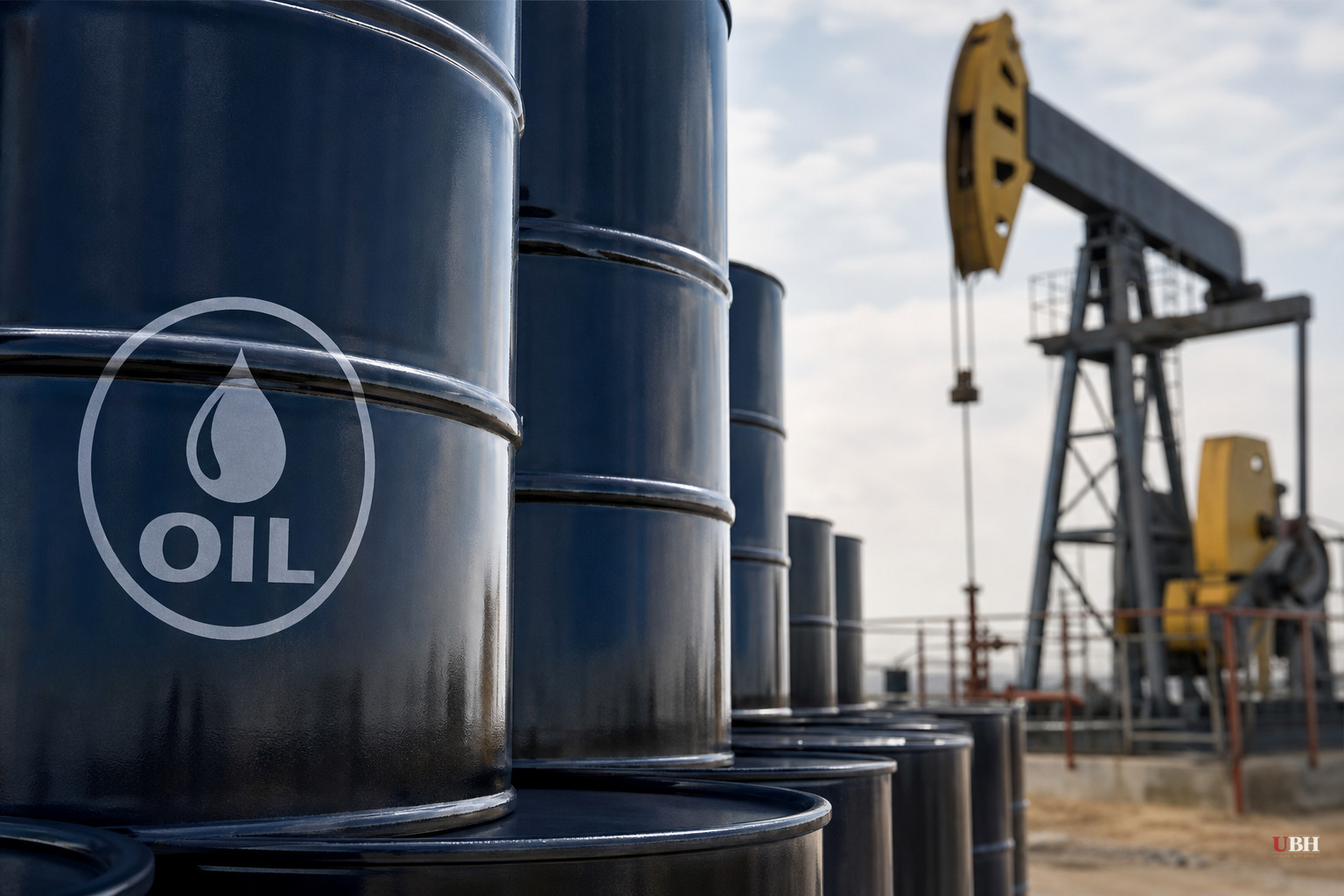
Since the July 22 CIA assessment contradicted White House claims that Iran's economy and military were collapsing, oil markets have kept climbing anyway on the strength of Trump's own words. West Texas Intermediate crude pushed to six-week highs Wednesday, according to ZeroHedge, as fighting between the US and Iran entered an 11th straight night around the Persian Gulf.
Trump escalated the rhetoric further Wednesday morning. Posting on his social media platform, he said that if Iran attacks any ship in the Strait of Hormuz, "the United States will bomb and destroy ONE BRIDGE OR POWER PLANT, including those located next to, or in, the Capital City of Tehran," according to ZeroHedge. That follows Secretary of State Marco Rubio's statement Wednesday that US forces would keep attacking Iran for as long as it tries to control shipping traffic through the strait, traffic ZeroHedge reports has already dwindled sharply.
Markets are pricing the threat, not just the war
The oil move is dragging bond yields with it. The 30-year Treasury yield is in its longest run above 5% since 2007, according to Bloomberg via Finviz, a level market watchers are calling an alarm bell for long-term borrowing costs. The Wall Street Journal reported the new climb in oil prices is sending bond yields near 2026 highs, and Bloomberg's markets wrap Wednesday noted stocks were wavering as oil jumped ahead of earnings from Alphabet and Tesla. The Dow posted a gain while the S&P 500 and Nasdaq fought off declines, with oil cited as the drag, according to Finviz market summaries.
Goldman Sachs has now put a number on the worst case. The bank warned Brent crude could top $120 a barrel if the Gulf chokepoint crisis deepens, ZeroHedge reported, under a scenario that assumes Gulf output only fully recovers by December 2027, supported by pipeline extensions. That's a materially longer disruption window than markets had priced even a few weeks ago.
The physical supply picture is getting tighter, not looser
Behind the price action sits a genuinely strained physical market. Crude oil stocks at the Cushing, Oklahoma hub fell again last week and are struggling to recover from what ZeroHedge described as "tank bottoms" — the point where storage gets so drawn down that remaining barrels become difficult to pump out. The Department of Energy reported crude stocks rose 2.01 million barrels last week against expectations of a 500,000-barrel draw, but Cushing itself still fell 674,000 barrels, and gasoline stocks rose 765,000 barrels even as the American Petroleum Institute had reported a gasoline draw the day before.
Strategic Petroleum Reserve releases re-accelerated last week, according to ZeroHedge, a sign the administration is leaning on emergency stocks to cushion the market. Meanwhile US crude production dipped off record highs last week despite a rising rig count, ZeroHedge reported. Crude imports from the Middle East have sat at zero for a third straight week through mid-July, with only a couple of tankers hauling Saudi crude managing to slip out of the Persian Gulf during a brief opening of the strait.
Tropical Storm Bertha adds another wildcard. ZeroHedge noted the storm could disrupt Gulf Coast port operations and import/export data in the coming week, and could dent East Coast fuel demand if it makes landfall.
The domestic political number Trump is watching
Away from crude futures, US gasoline prices have crossed the politically sensitive $4-a-gallon level, according to ZeroHedge, a threshold the outlet noted is closely watched by Trump himself given his past complaints about pump prices under his predecessor. Higher gas prices squeeze the same working- and middle-class households the administration says its energy and tariff policies are meant to protect, a tension the White House has not yet publicly addressed.
What the escalating-threat framing leaves out
ZeroHedge's coverage centers heavily on Trump's threat and the physical tightness in Cushing storage, but it does not address whether targeting infrastructure near a capital city of 9 million people risks civilian casualties or wider escalation. Such questions would reasonably concern anyone assessing the strategy on its merits regardless of how they view the broader Iran policy. Supporters of Trump's approach would argue that a credible, publicly stated deterrent threat is exactly what's needed to keep Iran from closing Hormuz, through which roughly a fifth of global oil supply moves. Critics would counter that threatening strikes "including those located... in the Capital City" raises the stakes of miscalculation in a war already in its second week of nightly strikes.
The next concrete data point comes from the Energy Information Administration's weekly petroleum report, which ZeroHedge noted could be more volatile than usual depending on how hard Tropical Storm Bertha hits the Gulf Coast. Whether Iran tests Trump's bridge-and-power-plant threat, and whether Brent actually approaches Goldman's $120 scenario, remains unresolved as of Wednesday, July 22.
Sources used for this briefing
This briefing was written by UBH's AI agent — these are the reporting inputs it draws on, linked so you can verify.


