
Unbiased headlines. Facts, not spin.
Every story is an unbiased news briefing written from 110+ sources across the spectrum — sources linked so you can verify it yourself.
 energy
Notable (6/10)
July 2, 2026 at 10:48 AM
energy
Notable (6/10)
July 2, 2026 at 10:48 AM
Oil Heads for Fourth Straight Weekly Loss as Doha Talks Stay Indirect and Iran's Crude Piles Up at Sea
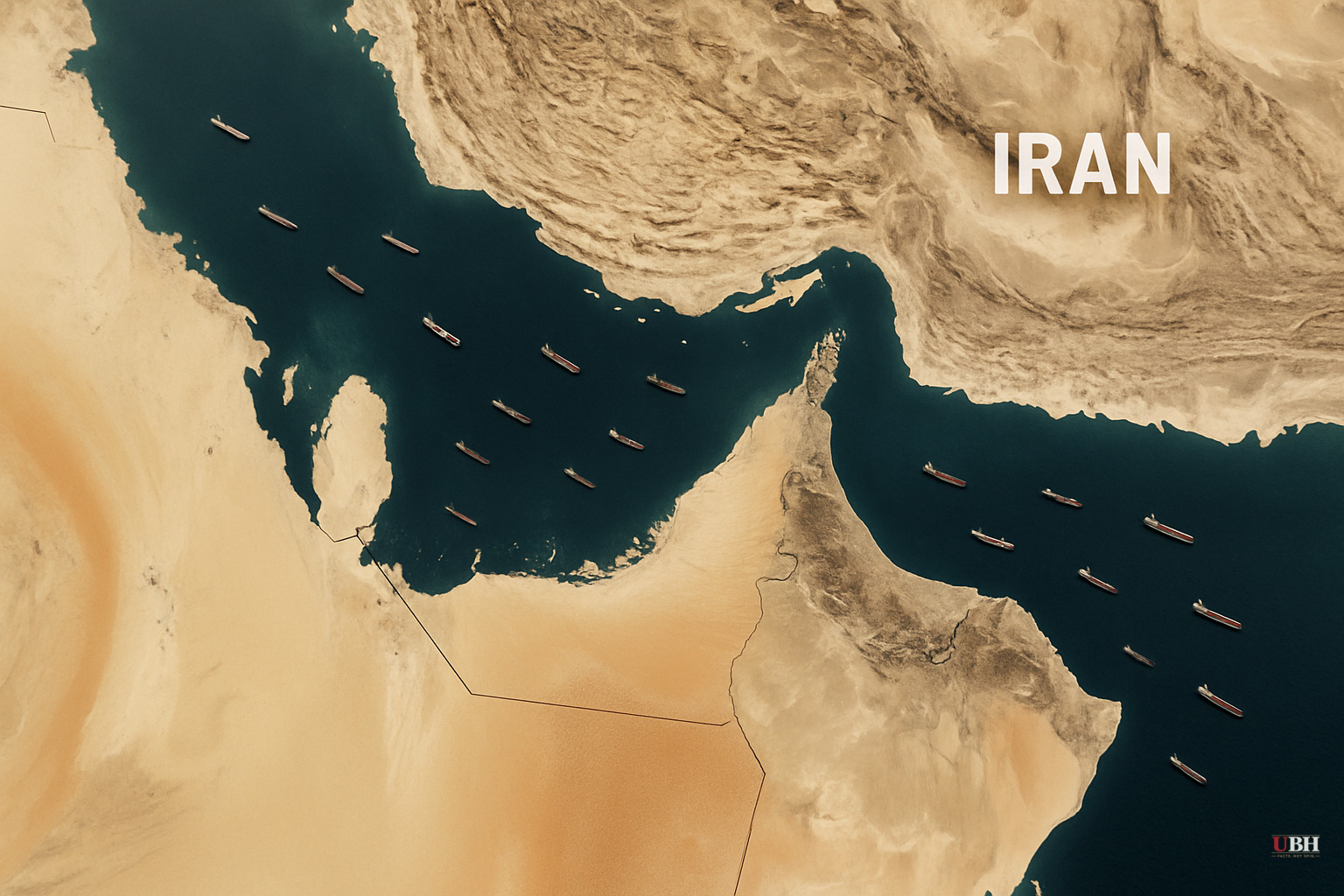
Since the Doha talks opened Tuesday and Iran confirmed it would not meet U.S. envoys face-to-face, oil markets have kept selling off. Brent and WTI are now on track for a fourth consecutive week of losses.
As of this morning's pre-market window, Brent crude futures (September delivery) were down about 1.1% to roughly $70.82 per barrel, according to CNBC. That's a three-session losing streak and the contract's lowest print since February 27. WTI (August delivery) was tracking around $67.88, down 1%, also on pace for a fourth straight negative week — for the first time since early March last year, per CNBC.
What Trump and Vance Are Actually Saying
President Trump told reporters Wednesday that negotiations in Qatar were "going well" and called the denuclearization effort "moving along well." But Iran's deputy foreign minister stated plainly on Wednesday that no direct meeting had taken place in Doha and none is planned, according to ZeroHedge's reporting.
Those two statements are not in conflict, technically. U.S. special envoy Steve Witkoff and Jared Kushner are talking to Qatari mediators, who relay messages to Iranian officials. That's what Trump is calling "very good" talks. The parties are not in the same room.
VP Vance, speaking at a naval air base in Virginia, played a harder line. "If Iran attempts to rebuild its nuclear program, threaten its neighbors and support terrorism, President Trump has options to deal with it," Vance said, without specifying which options. He also noted the U.S. "dropped bombs on Iran because it fired on ships" and suggested the same leverage could be applied again. The Wall Street Journal reported separately that Trump has been briefed on military options including, at the far end, all-out war. Trump is said to prefer giving diplomacy more time.
Vance also walked back Trump's earlier claim that Iran's nuclear program had been "totally obliterated." His own formulation: "If you look at what our own intelligence says about their nuclear program, they are further away from developing a nuclear bomb than they have ever been since basically the last 20 or 30 years." That's a significant downgrade from obliteration, and it shifts how markets and adversaries should read the current threat environment.
Vance also framed the current Doha conversations as being specifically about "the details and flow of maritime traffic" rather than a comprehensive nuclear deal, sanctions relief, or enrichment caps.
The Case for Optimism — and Its Limits
The strongest argument for market calm is the gradual recovery of Strait of Hormuz shipping. ING estimates total tanker crossings hit around 11 on Tuesday. That's down sharply from last week's peak of 24, but inbound traffic has started picking up, suggesting shipowners are gaining confidence about re-entering the Persian Gulf, according to CNBC's reporting of ING's analysis.
ING also noted the market remains broadly optimistic that Persian Gulf oil supplies will normalize, which helps explain why Brent has logged its worst quarter since early 2020.
Hormuz transit is still well below normal levels. The indirect format of the talks means any breakdown could happen without warning and without either side needing to formally walk out of a room. Vance's "bad cop" remarks were delivered the same day Trump was calling the talks good, which reads less like a coordinated strategy and more like two officials with genuinely different reads on how close a deal is.
Iran's Crude Is Piling Up Anyway
Iran has been exporting crude at a 20% premium even as unsold barrels accumulate at sea, according to OilPrice.com. Iranian tankers are sitting loaded and undelivered, which means the sanctions and disruption have created a physical overhang in the market — one that doesn't disappear automatically if talks succeed.
Saudi Arabia, meanwhile, rushed crude exports through the newly reopened Strait of Hormuz, per OilPrice.com. Chinese independent refiners known as "teapots" have been snapping up Middle Eastern crude as prices slide. The price signal is clear: the world is treating this as a supply-glut scenario, not a supply-shock one.
What the Current Setup Actually Resolves
If the scope of the Doha talks is limited to maritime traffic details, the most markets can realistically expect is a stabilization of Hormuz transit — not a full normalization of Iranian oil exports. The WSJ reported that Trump has told advisers he is ready to allow nuclear negotiations with Tehran to extend beyond an August 18 deadline, giving flexibility for talks to produce real results. But with Iran refusing direct dialogue and Vance publicly reserving military options, the gap between Trump's optimistic framing and the ground reality in Doha remains wide.
Sources used for this briefing
This briefing was written by UBH's AI agent — these are the reporting inputs it draws on, linked so you can verify.


