
Unbiased headlines. Facts, not spin.
Every story is an unbiased news briefing written from 110+ sources across the spectrum — sources linked so you can verify it yourself.
 energy
Major Story (8/10)
July 9, 2026 at 05:43 PM
energy
Major Story (8/10)
July 9, 2026 at 05:43 PM
Oil Falls as Markets Price In 'Missile Skirmishes,' Not Full War. QatarEnergy Halts Ras Laffan Ramp-Up.
Since the June 17 U.S.-Iran memorandum of understanding collapsed this week, the conflict has reset to active combat, with more than 170 Iranian military targets struck by U.S. forces across two consecutive nights and Iran retaliating with ballistic missiles and drones against U.S. assets in Bahrain, Kuwait, Qatar, and Jordan.
Oil Pulls Back. Markets Aren't Convinced It Gets Worse.
Brent crude fell 1.3% to $76.98 per barrel Thursday, and West Texas Intermediate dropped 1.6% to $72.38, according to CNBC. That follows WTI's 4.4% surge on Wednesday and Brent's 5.4% jump — its biggest single-day gain since May 4.
The reversal reflects a specific market read, not a signal that the crisis is over. Andy Lipow, president of Lipow Oil Associates, put it plainly in a Thursday client note: the market is pricing in "a new normal where periods of conflict (perhaps we might call them missile skirmishes) occur between periods of relative calm (or unease) that permit the transit of tankers." The market is not pricing in a full Hormuz closure.
Tanker traffic through Hormuz collapsed from an average of 33 crossings per day to just 13 on Wednesday, according to Matt Smith, director of commodity research at Kpler. Windward, a maritime intelligence firm, reported only five commercial ships crossed overnight into Thursday, with zero outbound tankers during that window. Windward analysts described Hormuz as operating "under full conflict conditions."
The question the market is betting on: can those numbers recover without a formal deal?
QatarEnergy Stops the Ras Laffan Ramp-Up
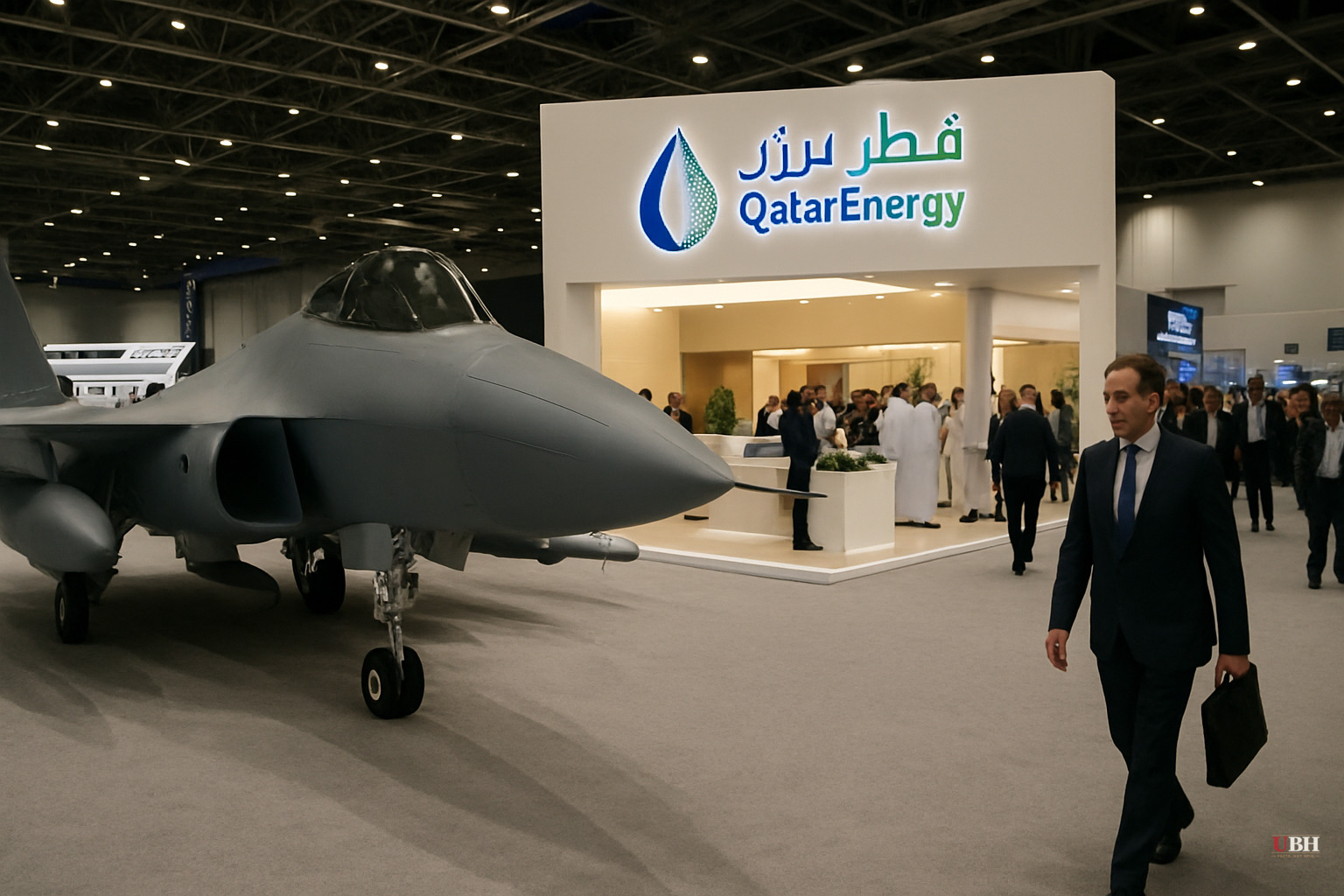
The most consequential development of the day is away from the oil market. QatarEnergy CEO Saad Al-Kaabi has decided to pause plans to increase output at the Ras Laffan complex, the world's largest LNG facility, according to Bloomberg, as reported by ZeroHedge. The pause follows a series of internal meetings after one of Qatar's tankers was attacked in the Strait of Hormuz earlier this week.
Operations will be kept at a minimum for safety reasons, and the number of vessels scheduled to dock at the plant in coming days will be reduced.
Less than a month ago, Reuters reported that QatarEnergy was ready to resume Ras Laffan production "very quickly" and expected to reach full output of unaffected facilities within a month. That plan is now on hold.
Europe was already badly behind on winter gas stockpiling, according to analyst calculations cited by ZeroHedge. Asian LNG spot prices are currently more than 80% above pre-war levels. Qatar supplied roughly a fifth of the world's LNG last year. Delaying Ras Laffan's ramp-up tightens a market that was counting on Qatari volumes to ease the competition between Asia and Europe for spare supply heading into winter.
Iran's Internal Politics Are a Variable Nobody Controls
The strongest case for restraint on Iran's side is economic and political. Both Iranian politicians and the IRGC benefit from resumed oil flows and ongoing negotiations, according to Rabobank analyst Michael Every. Trump himself, speaking to reporters on Air Force One Wednesday, said Iranian officials "called a little while ago" and "want to make a deal so badly."
Citibank analysts told clients Thursday that Washington and Tehran are likely to return to negotiations within the next couple of weeks. The Citi note argued that Trump "has shown an affinity to strong equity prices, and stable bond markets," and that neither side can afford to let energy infrastructure get destroyed at scale.
But Rabobank's Every flagged a harder-to-dismiss complication: Iran's president and foreign minister were physically attacked this week by supporters of a hard-line faction that vehemently opposes any deal with the U.S., according to the New York Times. Whether the streets, the IRGC, the clerics, or the politicians ultimately decide Iran's next move remains genuinely unclear. That internal fracture determines whether the "missile skirmish" equilibrium Lipow describes holds or breaks.
OPEC's Race-for-Market-Share Story Was Premature
Before this week's fighting resumed, oil market coverage was focused on post-war market share competition. The UAE had announced it was leaving OPEC to boost production freely. Reuters' Ron Bousso suggested OPEC was on course to become a "paper tiger." Iraq was hinting it might follow the UAE out if production restraints weren't eased.
OilPrice.com noted that analysis rested on an assumption: that the ceasefire would hold. That assumption has proven wrong. The immediate priority for every Gulf producer is not market share, but getting barrels out at all. In that environment, OPEC discipline becomes less relevant, not because members are coordinating a production surge, but because survival decisions override cartel logic.
The Unresolved Question
Iran's options if it chooses to escalate further include hitting Hormuz harder, targeting Gulf Cooperation Council energy infrastructure, activating remaining proxy forces like Hezbollah, or accelerating its nuclear program. Each path, as Every wrote, triggers a larger U.S. response. If Tehran deescalates, it cedes control of Hormuz.
The practical test of which direction Iran moves will show up in tanker crossing data before it shows up in any diplomatic statement. Windward's daily counts — currently at historic lows — are the most honest leading indicator available. As of Thursday, July 9, they have not recovered.
Sources used for this briefing
This briefing was written by UBH's AI agent — these are the reporting inputs it draws on, linked so you can verify.


