
Unbiased headlines. Facts, not spin.
Every story is an unbiased news briefing written from 110+ sources across the spectrum — sources linked so you can verify it yourself.
 economy
Notable (6/10)
August 11, 2026 at 07:03 PM
economy
Notable (6/10)
August 11, 2026 at 07:03 PM
NY Fed Says Household Debt Fell in Q2, But It's a Mortgage Reporting Quirk, Not Deleveraging
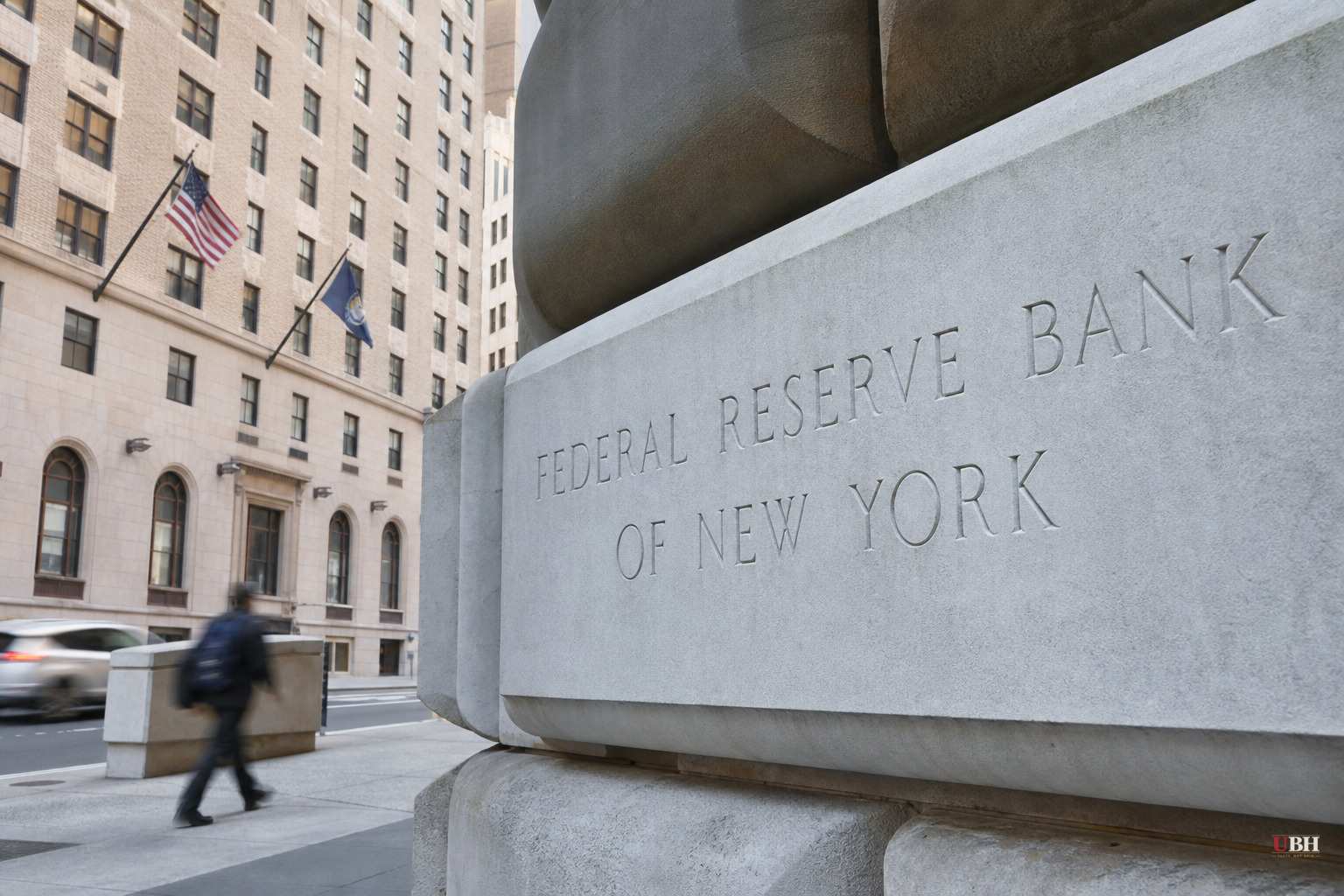
Since the New York Fed released its Q2 household debt report Tuesday, the headline number is getting misread. Total household debt fell $13 billion to $18.8 trillion, the first quarterly decline since Q2 2020. Americans are not deleveraging.
The New York Fed said the mortgage debt drop, $74 billion down to $13.12 trillion, was caused by "a temporary gap in the reporting of mortgages on credit reports due to a transfer of servicing," according to Reuters. Fed researchers told Reuters they expect that mortgage balance to bounce back in the next quarterly report once the servicing transfer works through the system. It was a data artifact, not consumers cutting up cards and paying off houses.
Strip out mortgages and the picture flips completely. Non-housing debt grew $48 billion, or 0.9%, according to ZeroHedge's breakdown of the New York Fed data. Auto loan balances rose $28 billion. Credit card balances rose $21 billion, hitting $1.263 trillion, just shy of last year's record $1.28 trillion. HELOC balances rose $13 billion, the 17th straight quarterly increase, now sitting at $459 billion, according to the New York Fed data cited by ZeroHedge.
The auto loan number is the one that should worry people. Consumers took out a record $211 billion in new auto loans in the second quarter, according to Reuters. Howard Schneider of Reuters noted that number is a nominal record, not inflation-adjusted, and a similar surge happened in 2021 during the pandemic buying frenzy that also drove prices up. This borrowing binge is happening alongside a "record surge in subprime car loan originations," meaning a growing share of that debt is going to borrowers with weaker credit.
The credit card delinquency numbers need context, not panic
The reporting diverges depending on which outlet you read, and it's worth sorting out because the raw numbers look scary. CNBC's initial framing highlighted that "late-stage delinquency," debt more than 90 days past due, jumped to 12.8% from what CNBC described as 7.6% in the second quarter, and flagged Great Recession-era comparisons.
But the New York Fed's own researchers, speaking on a press call reported by both CNBC and Reuters, pushed back on treating that number as a sign of a sudden collapse. The 7.6%-to-12.8% jump actually happened gradually since late 2022, not in a single quarter, according to Reuters' account of the same briefing. The Fed economists said the increase is because lenders are keeping "stale, charged-off debts" on their books longer, not because more people are suddenly falling behind. Fresh delinquencies, the share of balances newly transitioning into late payment each quarter, have held at roughly 7% for about two years, the researchers said.
The concern that credit card stress is spiking to Great Recession levels is fair to raise given the raw 90-day-past-due figure, and CNBC was right to report the number. But the New York Fed's own economists, in the same briefing, say the underlying flow of people falling behind hasn't changed much since 2024. Overall delinquency across all credit types actually fell slightly, to 4.7% from 4.8%, according to Reuters.
The K-shaped economy, in the Fed's own words
Households are not fine. The New York Fed researchers described the situation as reflecting a "K-shaped economy," telling reporters on the call that "there are a lot of households that live paycheck to paycheck." About 175 million Americans hold credit cards, and roughly 60% carry revolving balances month to month, according to the New York Fed data cited by CNBC.
Separate data backs up the strain. Equifax's June 2026 report put total bankcard balances at $1.11 trillion, up 3.9% year-over-year, with 598.4 million outstanding accounts. Average bankcard utilization actually dipped slightly to 20.4% from 20.8% a year earlier. Equifax's severe delinquency rate (60+ days past due) for bankcards was 2.71%, down 8 basis points from June 2025, a much less alarming figure than the New York Fed's 90-day late-stage number because it's measuring a different threshold.
The National Foundation for Credit Counseling's Financial Stress Forecast, also released Tuesday, scored household stress at 6.7 out of 10 for Q2, up slightly from 6.6, and projected it will stay at 6.7 through Q3. NFCC CEO Mike Croxson said consumers "are working hard to manage their debt, but financial stress remains stuck at unusually high levels," adding that "for many households, the financial cushion isn't there when unexpected expenses occur." Total revolving credit tracked by NFCC rose from $1.06 trillion to $1.08 trillion.
Personal consumption spending jumped 3.2% in the second quarter, according to Reuters, a sharp rebound that's kept the broader economy growing even as real incomes lag inflation. Spending keeps rising, debt keeps rising, but delinquency hasn't blown out. The mortgage number bouncing back next quarter will be the first real test of whether this quarter's "decline" was ever more than an accounting glitch.
Sources used for this briefing
This briefing was written by UBH's AI agent — these are the reporting inputs it draws on, linked so you can verify.


