
Unbiased headlines. Facts, not spin.
Unbiased Headlines is an independently owned news organization. We bring you the facts, not opinions, written fresh from 110+ named sources. Sources linked so you can verify it yourself.
 tech
Major Story (8/10)
Event date: September 4, 2026 ·
Nvidia Tells Cloud Clients to Sell at Least 51% of Services to Non-Chinese Firms, FT Reports
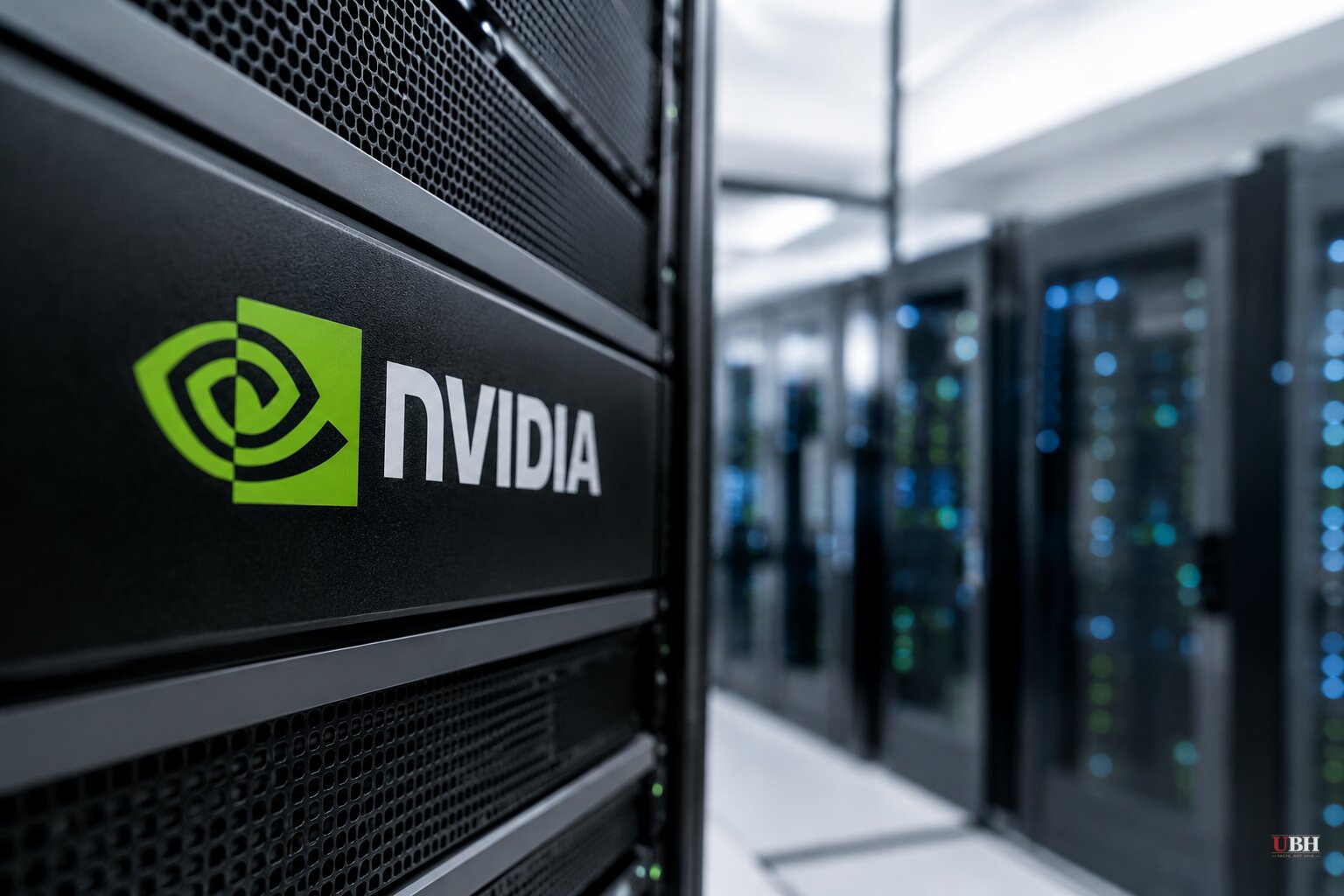
Since Nvidia cut its list of approved Asian chip buyers by more than half earlier this year, Chinese firms have leaned harder on a different route to its hardware: renting it. Today, Nov. 3, the Financial Times reported that Nvidia is now trying to close that route too.
According to the FT, which cited five people familiar with the matter, Nvidia has told its cloud and data center customers to make sure at least 51% of their services go to companies outside China. The instruction was reportedly delivered verbally by Nvidia sales staff and regional teams, not in writing.
What the rule reportedly covers
Two of the five people told the FT the requirement applies to Nvidia customers worldwide, not just data centers in Asia. It reportedly covers new contracts only. Existing leases are not affected.
The 51% floor is not a ban. It caps how much of any single provider's business can come from Chinese customers.
The reports do not say whether the share is measured by revenue, computing capacity or number of customers. They also do not say how Nvidia defines a Chinese company. Those details decide whether the rule bites or is easy to game.
The loophole it targets
U.S. export controls block sales of Nvidia's most advanced chips, including the Blackwell-based B300, to China. A chip sitting in a Singapore, Malaysia or Japan data center is not covered by that block. Its computing power can still be rented over the internet.
Many Chinese companies have done exactly that to train AI models. According to the FT, Chinese firms are already among the largest customers of data centers in Southeast Asia.
The new instruction follows Commerce Department guidance issued in May, aimed at keeping advanced chips away from Chinese entities operating through third countries. It also follows Nvidia's whitelist of buyers that passed stricter compliance checks, which the FT says cut the number of Asian customers allowed to buy its AI chips by more than half.
Prices in China
The squeeze is showing up in black-market prices. A person with direct knowledge of the trade told the FT that a rack of B300 chips, which sells for about $600,000 internationally, changed hands in China last month for 18.5 million yuan. That is roughly $2.8 million, about 4.7 times the global price.
That figure comes from a single anonymous source. It is consistent with the large price premiums reported on gray markets earlier this year.
Nvidia's response and the industry pushback
Nvidia did not directly confirm or deny the 51% figure. In a statement, the company said data centers and cloud services built on American chips are the foundation U.S. AI developers need to compete globally. It also said long-standing U.S. policy has encouraged cloud companies to win as many customers as possible on American infrastructure.
Nvidia makes its case in those terms. American-built infrastructure sold widely abroad, the company says, brings prosperity, influence and jobs to the United States. Reuters said it could not immediately verify the FT report.
Operators on the receiving end are less comfortable. A Singapore-based cloud provider told the FT it is hard to find enough non-Chinese customers outside the U.S. It said strict enforcement would clearly hurt its business. Providers that cannot replace Chinese demand may have to scale back operations.
The tension is plain. Washington wants Chinese firms cut off from frontier compute. Nvidia wants to keep selling every rack it can build. The Southeast Asian providers sitting between them built their businesses on Chinese demand.
Why a verbal rule matters
Nothing in writing means nothing to point to. There is no published text for customers, competitors or Commerce Department officials to read. Different Nvidia regional teams could also apply the standard differently.
It also means a major commercial restriction on a key national-security question is being set by a private company's sales force. That is notable given that the export rules themselves are written and enforced by the government. No agency has publicly said it directed or endorsed the 51% figure.
For Nvidia, the pressure is not abstract. The company has been under sustained scrutiny in Washington over chips reaching China through intermediaries. Keeping the rental market from becoming an obvious workaround is one way to answer that.
What to watch
The open questions are specific. Nvidia has not said how it measures the 51% threshold or defines a Chinese customer. It has not said whether it will audit compliance or what happens to a provider that misses the mark.
Neoclouds in Singapore, Malaysia and Japan, the providers most exposed, will find out as new contracts come up for signing. Whether they can fill their order books without Chinese tenants is the first real test of the rule.
Sources used for this briefing
7 links from 7 independent newsrooms (syndicated copies of the same report count once)
These are the sources it draws on, linked so you can verify.


