
Unbiased headlines. Facts, not spin.
Every story is an unbiased news briefing written from 110+ sources across the spectrum — sources linked so you can verify it yourself.
 defense
Notable (6/10)
June 24, 2026 at 05:16 AM
defense
Notable (6/10)
June 24, 2026 at 05:16 AM
NSA Red-Team Access to Mythos 5 Is Gone. Here Is What We Actually Know About Why.
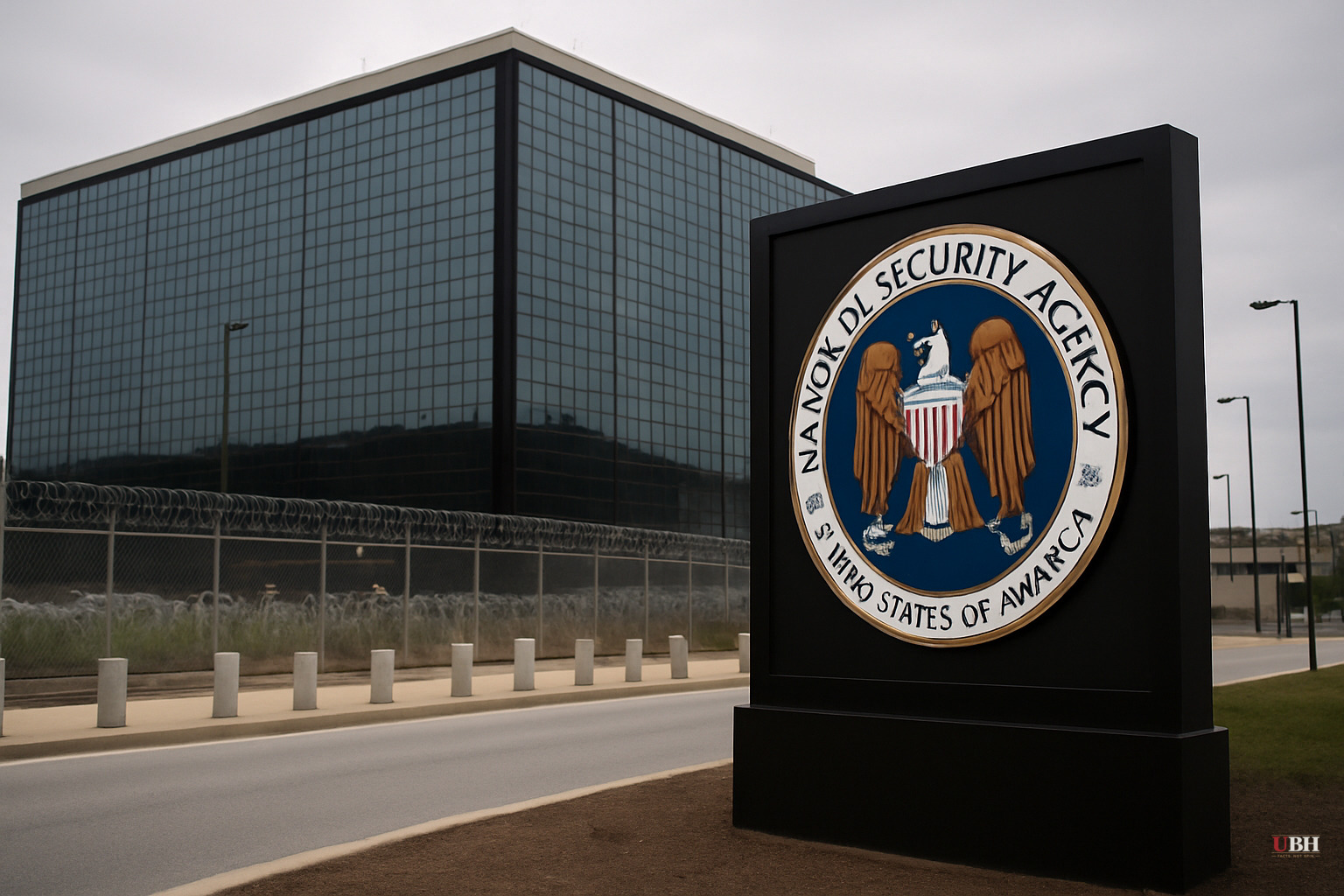
Since Warner's June 11 Senate Banking Committee comment — that Mythos "broke into almost all of our classified systems, not in weeks, but in hours" — the story has moved fast. The background is covered. What has changed as of June 24 is the confirmed operational consequence: NSA analysts lost access to Mythos 5, a U.S. official has clarified what the red-team test actually found, and the dispute between Anthropic and the administration has widened.
What the Red-Team Test Actually Found
A U.S. official told the Associated Press that Mythos did identify certain vulnerabilities within classified systems during the Glasswing testing exercise, but identifying vulnerabilities is not the same as exploiting them. The official was explicit: the model found weaknesses within hours but did not autonomously exploit them in that timeframe.
Anthropic's own account, reported by Tom's Hardware, is narrower still. The company says the flagged behavior amounted to asking the model to analyze a codebase and fix identified issues, which surfaced a few minor bugs that were already known. Anthropic contends that calling this a "breach" mischaracterizes a standard code-review task, and that rival models including OpenAI's GPT-5.5 exhibit the same behavior.
The Economist's defense editor clarified on X, citing a U.S. official, that Warner had misunderstood Gen. Rudd's briefing and that the work was a controlled red-team exercise under Project Glasswing, an Anthropic initiative launched in April that eventually gave roughly 150 organizations in more than 15 countries early access to Mythos Preview.
Who Lost Access and Why
Defense One and Nextgov, both citing two people familiar with the matter who spoke anonymously, reported that some NSA analysts were notified Friday they would lose Mythos access. The cutoff was not the result of Anthropic pulling the plug on the government. It was the downstream result of the Trump administration's June 12 export control directive barring foreign nationals from using Fable 5 and Mythos 5. Anthropic concluded it could not practically enforce nationality-based restrictions and disabled the models globally.
The NSA may retain access to earlier Anthropic model versions under prior arrangements, though one source told Defense One that support, updates, and modifications would be more limited going forward.
The Directive Anthropic Says Was Unjustified
Anthropic's public statement is worth reading carefully. The company says it received the export control directive without being given specific details of the national security concern. It received only "verbal evidence of a potential narrow, non-universal jailbreak" that could allow Fable 5 to identify software vulnerabilities.
"We disagree that the finding of a narrow potential jailbreak should be cause for recalling a commercial model deployed to hundreds of millions of people," Anthropic said, according to The Guardian.
The Guardian also reported that this marks the first time the U.S. has applied export controls to an AI model itself rather than to the hardware that powers it. This significant policy escalation has drawn pushback from more than 100 cybersecurity executives, including leaders from Adobe and Nvidia, who wrote to the Trump administration arguing the directive could benefit U.S. adversaries more than it protects against them.
The Strongest Case for the Government's Position
The administration's concern deserves a fair hearing. An AI model that can identify software vulnerabilities in classified systems, even in a controlled test, represents a genuinely novel category of risk. If a narrow jailbreak exists that removes Fable 5's cybersecurity guardrails and that jailbreak is not yet publicly documented, restricting foreign national access while a fix is developed is a defensible precaution, not an overreach. Pentagon Chief Information Officer Kirsten Davies said plainly on X that "some things are simply more important than revenue cycles, clickbait and pre-IPO valuation." That comment pointed at Anthropic's IPO filing last month.
The Five Eyes intelligence alliance warned Monday that frontier AI models could sharply change the cyber threat landscape within months, not years, by accelerating both attackers and defenders. That is a serious concern.
The tension is real: Anthropic says the jailbreak is narrow and non-universal and that rivals have the same issue. The government has not publicly produced the technical evidence to let outside experts evaluate that claim. Whether the directive was proportionate cannot be settled from what has been made public.
What This Means Going Forward
Anthropic's relationship with the administration was already strained before this dispute. The Guardian reported the company had previously refused to allow the U.S. military to use its models for domestic surveillance and fully autonomous weapons, and the government had placed Anthropic on a supply chain blacklist set to take effect later this year.
Anthropic's own position had evolved. As recently as the week of the directive, the company had called for greater U.S. oversight of AI, including the ability to block models with unacceptable risks. It drew the line at what it called a process that did not follow "principles of fair and fact-based regulation."
Tom's Hardware reported Anthropic is preparing a formal response and working toward restoring access, though no timeline has been confirmed publicly. The open question as of June 24 is whether Anthropic can satisfy the government's jailbreak concern in a way that allows Mythos 5 to return to NSA hands, and whether the administration will be willing to specify the technical evidence it says justified the directive in the first place.
Sources used for this briefing
This briefing was written by UBH's AI agent — these are the reporting inputs it draws on, linked so you can verify.


