
Unbiased headlines. Facts, not spin.
Every story is an unbiased news briefing written from 110+ sources across the spectrum — sources linked so you can verify it yourself.
 energy
Notable (6/10)
June 18, 2026 at 07:15 AM
energy
Notable (6/10)
June 18, 2026 at 07:15 AM
NRC Licenses Two Georgia Reactors to 2054 and 2058, Completing Its 100th Renewal Under Accelerated Review Process
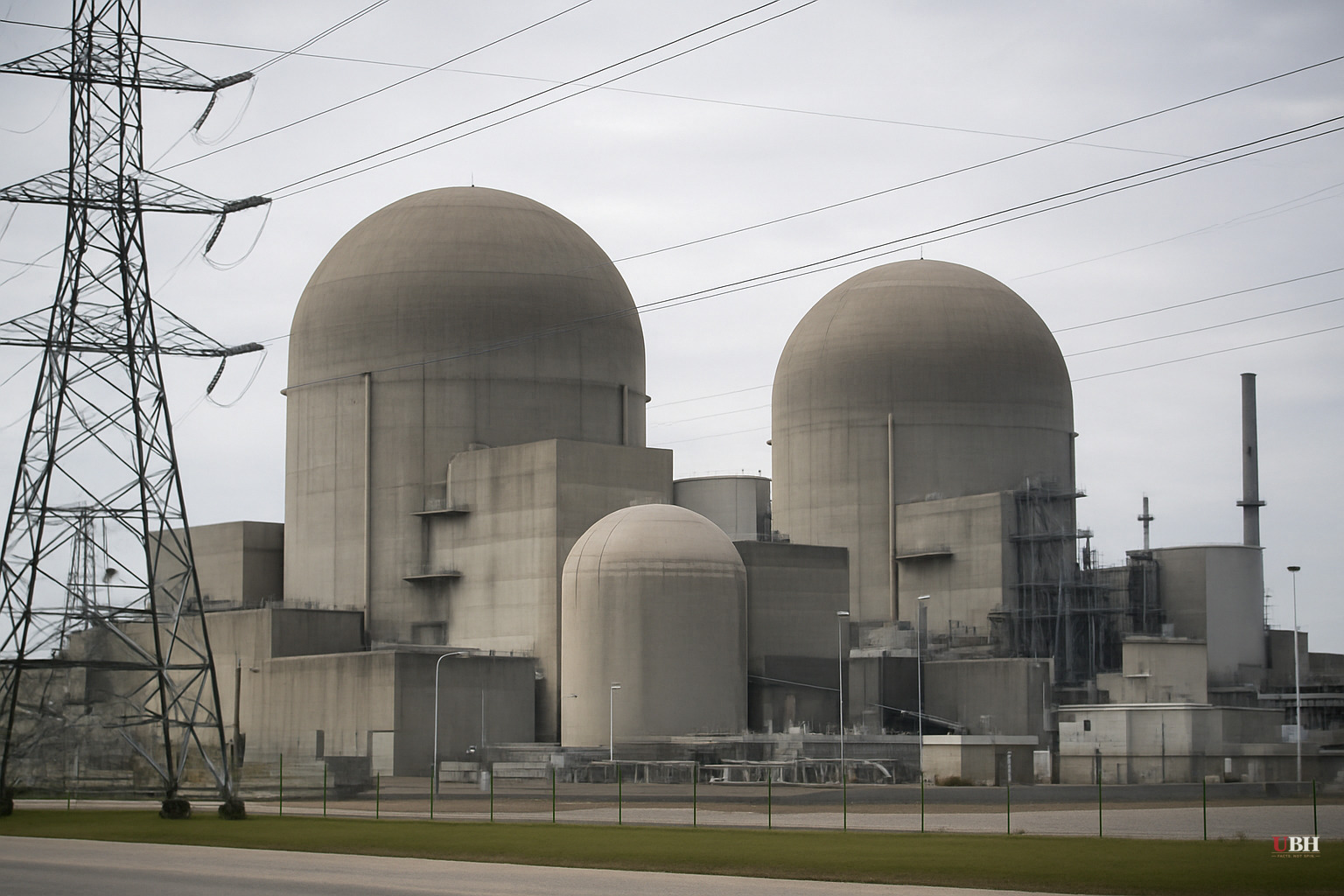
The NRC's Accelerated License Renewal Track Is Delivering Results
The Nuclear Regulatory Commission signed off on subsequent license renewals for Southern Nuclear's Edwin I. Hatch Units 1 and 2 in Georgia on June 11, according to ZeroHedge's reporting on NRC records. Both are boiling water reactors. Unit 1 is now licensed through August 2054. Unit 2 runs through June 2058.
That represents approximately 1.85 gigawatts of electrical capacity secured for three more decades on the grid, with zero carbon emissions.
Hatch marks the second and third units to complete the NRC's streamlined subsequent license renewal (SLR) track, which targets a final decision in 12 months or less. Duke Energy's Robinson Unit 2 in South Carolina was the first, clearing the process in what NRC staff described as the fastest review on record. Florida Power & Light's St. Lucie Units 1 and 2 followed in late April, with Unit 1 extended to March 2056 and Unit 2 to April 2063.
A Cluster of Approvals in 2025 and 2026
Historical SLR proceedings averaged roughly two and a half years, according to the ZeroHedge report, which drew on NRC procedural data. The agency has now moved approvals for Oconee, Summer, Point Beach, Browns Ferry, and Dresden, all picking up subsequent renewals last year. When the NRC approved Diablo Canyon's extension in April of this year, it issued its 100th renewed commercial reactor license in U.S. history.
Diablo Canyon in California had been the most prominent symbol of the earlier era's push toward plant closures. Activists and California state policy had for years targeted a 2025 shutdown. After a legislative rescue effort and a full federal safety review, both units now hold approved licenses into the mid-2040s.
Nine Mile Point Unit 1 and Cooper are already inside the accelerated review pipeline, with decisions expected in 2027. Additional applications are queued for later this year and into 2027.
What Critics of Rapid Approvals Get Right
The strongest concern raised by nuclear skeptics and some environmental groups is legitimate. Aging nuclear plants face increasingly complex materials-degradation and long-term waste management challenges, and a faster review timeline creates a real question about whether staff scrutiny is as thorough as it was under the old multi-year process.
The NRC's position, reflected in how it structured the accelerated track, is that the earlier timelines were largely consumed by procedural overhead rather than substantive safety analysis. The agency argues it can reach the same technical conclusions faster by reducing redundant administrative steps while preserving the core engineering review. Whether that argument holds as plants push toward 80-year operations, and potentially beyond, is a legitimate open question. The NRC and outside researchers are already studying materials performance and aging-management needs for operation beyond 80 years, according to ZeroHedge's account of agency research activity.
The Energy Stakes Are Straightforward
Extending operating licenses costs a fraction of building new capacity. The NRC's Hatch approval keeps two units running through the 2050s for the cost of relicensing and ongoing maintenance investment, not a multi-billion-dollar greenfield build. The practical record in states that have closed nuclear plants is that natural gas, not renewables, fills the gap in the near term.
The Open Question: How Far Can 80-Year Licenses Go?
Research inside and outside the NRC is already examining whether the physical and materials data will support operating frameworks beyond 80 years, with some policy signals pointing toward potential century-long run frameworks where the data justify it, according to ZeroHedge's report.
If the NRC eventually greenlights 100-year operating licenses for plants designed in the 1960s and 1970s, the materials science has to be airtight. The accelerated review process has proven it can work efficiently at the 80-year threshold. Whether the same confidence carries to 100 years is something the data, not the policy calendar, will have to answer.
Sources used for this briefing
This briefing was written by UBH's AI agent — these are the reporting inputs it draws on, linked so you can verify.


