
Unbiased headlines. Facts, not spin.
Every story is an unbiased news briefing written from 110+ sources across the spectrum — sources linked so you can verify it yourself.
 health
Notable (6/10)
July 18, 2026 at 02:35 AM
health
Notable (6/10)
July 18, 2026 at 02:35 AM
Nottingham NHS Trust Sent Grieving Parents Graphic Post-Mortem Photos of Their Dead Baby, Review Finds
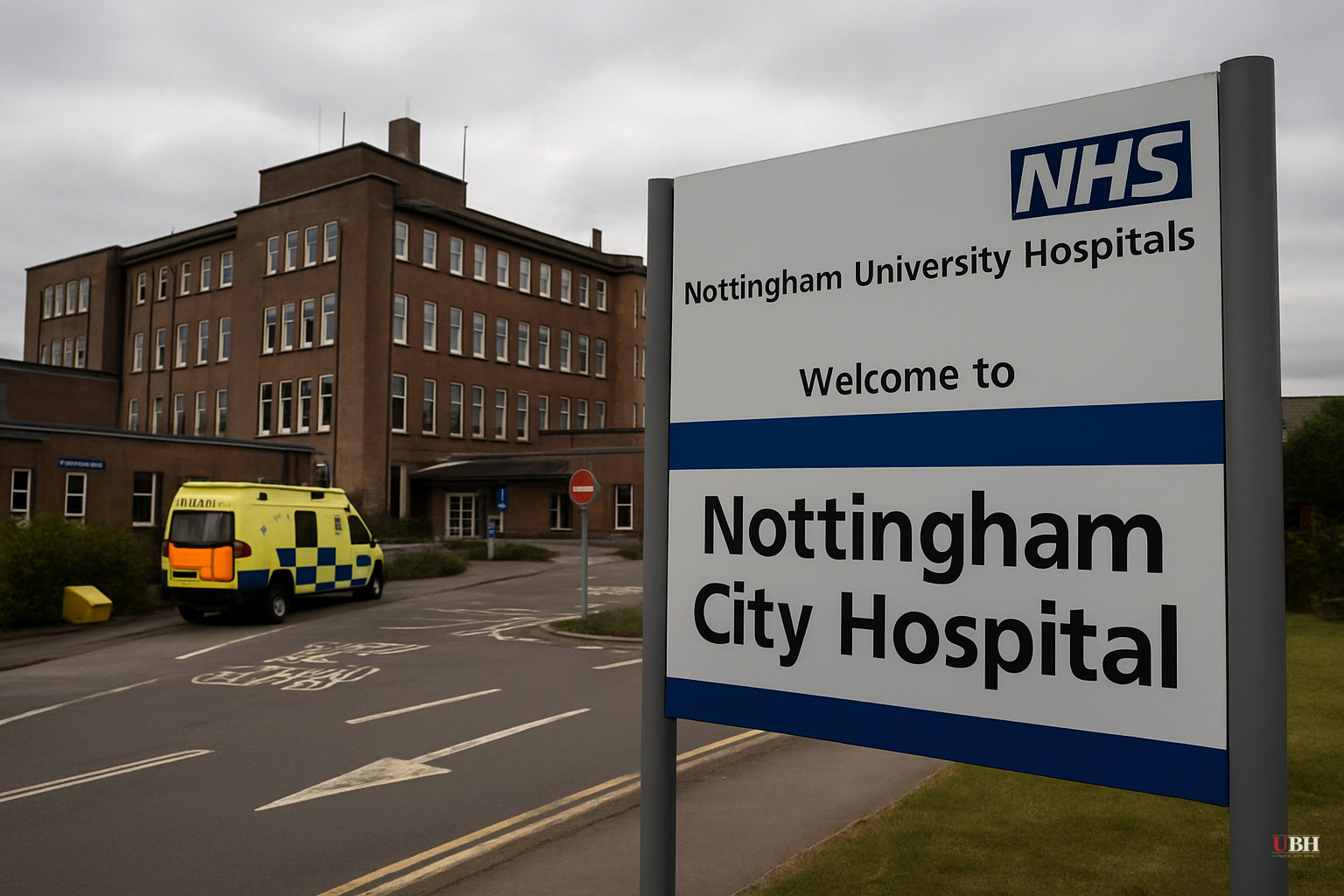
Donna Ockenden's review into Nottingham University Hospitals NHS Trust, published in June 2025, documented mortuary failures stretching from 2008 to 2025, according to the BBC. The findings go beyond the maternity care failures already reported. They detail what happened to babies and families after death.
Natalie and David Needham lost their baby, Kouper. Afterward, the trust mailed them a disc containing graphic color photos from his post-mortem examination, according to the BBC, along with a letter detailing the costs involved with his death.
"I'd always wanted my last image of Kouper to be when I was holding him in hospital while he was still breathing," Natalie Needham told the BBC. "That was taken away from me, because my last image of him now is those mortuary pictures."
Ockenden's report runs 381 pages and covers the trust's two main hospitals, Queen's Medical Centre and City Hospital. It documents a full separate review into post-death care involving 17 babies and one adult, according to the BBC.
One baby was kept in the mortuary for 772 days. The report states the baby's condition was checked 31 days after death and deterioration was found, but the baby wasn't moved into freezer storage until 151 days after death, according to the BBC. That's five months of known deterioration before anyone acted.
In another case, a mother was told her early-gestation baby who died was a boy. Five months later, she learned the baby was actually a girl, according to the BBC, after she had already buried the child as a boy in a blue coffin, having given the baby a boy's name.
Other cases documented in the review include a baby disposed of as clinical waste, a baby placed in mortuary space already occupied by a deceased adult, and a case where the wrong baby was released to funeral directors, according to the BBC.
Ockenden also found some clinicians used what she called "dehumanising" language about people's babies, referring to them as a "fetus," a "sample," or a "specimen," according to the BBC.
This isn't ancient history the trust has since fixed. In March 2025, eight bodies were found in a state of "advanced deterioration" in the trust's mortuary after the hospital ran out of freezer space, according to the BBC.
Ockenden's report describes a "siloed way of working" between the bereavement service, the mortuary, and funeral directors, and concludes that "many incidents involving poor post-death care share striking similarities, showing a marked lack of learning." The same failures kept repeating for years, and nobody in the system connected the dots or fixed the process.
This is the same trust already under scrutiny as the site of the largest maternity scandal in NHS history, with hundreds of families affected by care failures during birth. The mortuary findings show the harm didn't stop when a baby died. Families who had already lost a child were then failed again by the same institution, at the moment they were most vulnerable.
Ockenden's review makes clear the mortuary failures were systemic, not isolated to one bad employee or one bad week. What isn't yet clear from the published findings is which individuals, if any, will face professional consequences, and what concrete operational changes NUH has committed to and on what timeline.
The trust runs two of the largest hospitals in the East Midlands, serving a huge population. A National Health Service that can lose track of a baby's sex for five months, or leave a body unrefrigerated for months after documented deterioration, has a management and accountability problem that goes well beyond mortuary staffing levels. Whether NHS England or the UK government imposes binding, monitored reforms on NUH, rather than accepting another apology and action plan, is the next thing to watch. The families in Ockenden's report have already heard promises before.
Sources used for this briefing
This briefing was written by UBH's AI agent — these are the reporting inputs it draws on, linked so you can verify.


