
Original briefings. Zero spin.
Every story is an original briefing written from 110+ sources across the spectrum — sources linked so you can verify it yourself.
 energy
Major Story (7/10)
August 24, 2026 at 10:09 AM
energy
Major Story (7/10)
August 24, 2026 at 10:09 AM
Norway Tells EU It Will Drill the Arctic Whether Brussels Likes It or Not
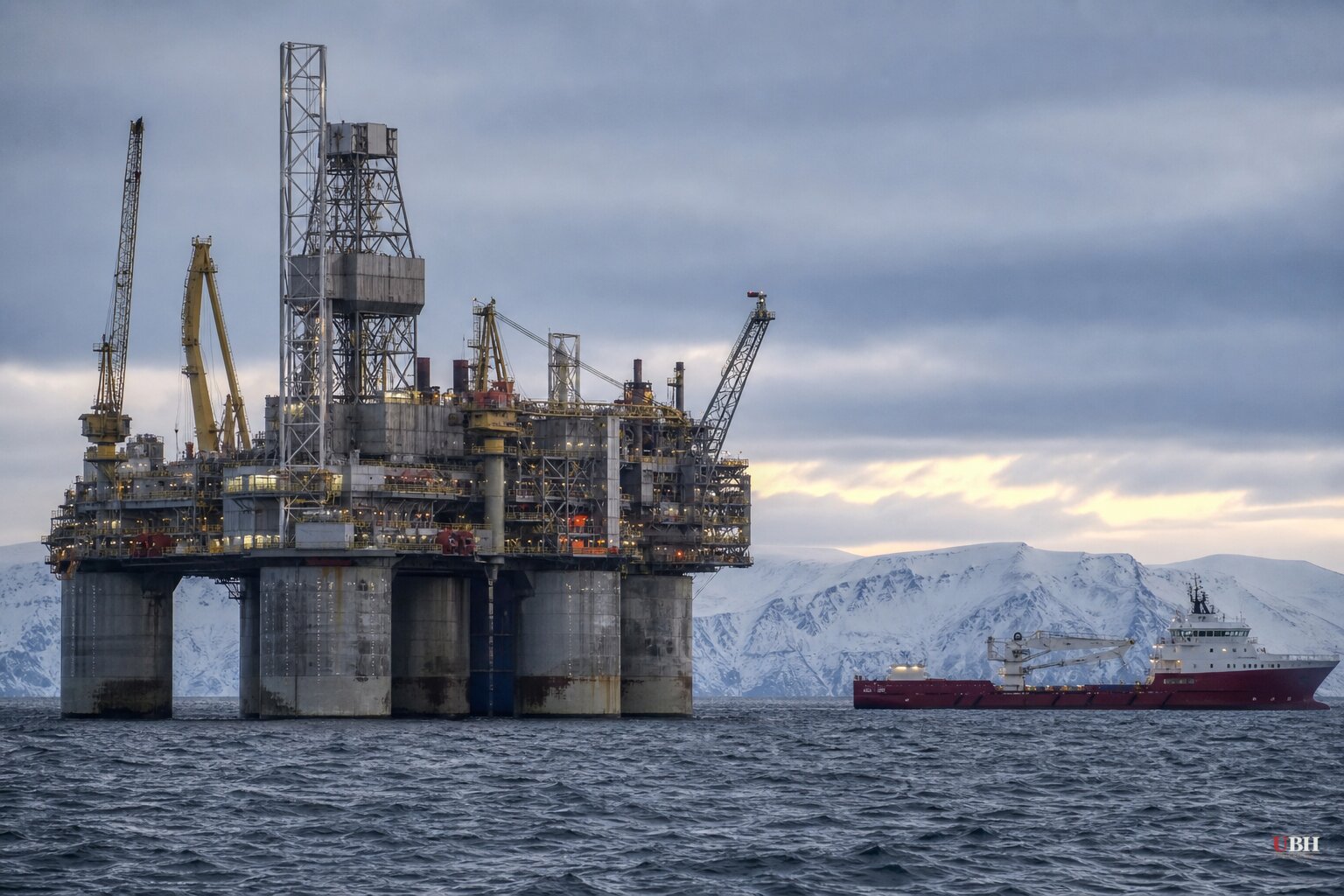
Norway's message to Brussels is blunt: we're drilling the Arctic, take it or leave it.
Energy Minister Terje Aasland told Reuters on Monday that Norway will keep developing oil and gas in the Barents Sea regardless of the European Union's support for a moratorium on new Arctic drilling. He made the comments in Stavanger ahead of ONS, Norway's biennial energy conference.
Since Russia invaded Ukraine in 2022, Norway has become Europe's largest natural gas supplier, meeting around 30% of gas demand for both the EU and Britain, according to Reuters. Last year Norway's gas production hit near-record levels and oil output reached its highest point since 2009.
Official forecasts show production falling off a cliff after 2030 unless new resources get developed. Norway wants to hold petroleum production and exports at roughly current levels through at least 2035, and the Barents Sea is central to that plan.
"If Norway is to remain a long-term supplier of oil and gas to Europe, then the Arctic must be part of that discussion," Aasland said.
The EU currently backs a ban on new Arctic drilling for environmental reasons, but Reuters reports Brussels is reconsidering that stance amid energy security concerns. Norway isn't waiting around for that debate to resolve. Aasland says the areas of the Barents Sea already opened to petroleum activity are ice-free, similar to the North Sea, and therefore less prone to oil spills than people assume. He also points out the jobs and population it sustains in Norway's northern regions along the Russian border.
Aasland was clear that Norway sees this as a sovereign call, not something the EU gets a veto over. "We would develop these areas, and then it will be up to the EU whether they should have a moratorium on buying that gas or oil," he said. If Brussels says no, Norway sells elsewhere. Oil goes into global markets regardless, and gas can ship worldwide as LNG out of Equinor's Melkoeya plant near Hammerfest.
Equinor CEO Anders Opedal backed that up directly, telling Reuters that Barents Sea oil and LNG "can be shipped anywhere in the world" if the EU rejects it. "The only thing that will suffer from this is actually European security. We have the flexibility," Opedal said.
Aasland also ditched a phrase that's followed Norway for years, calling the idea of Norway as Europe's "green battery" a "flawed idea," according to Ground News's summary of his comments. Norway wants to be seen for what it actually supplies most of: oil and gas, not clean hydropower backup for the continent's grid.
International Energy Agency Executive Director Fatih Birol has also pushed the EU to reconsider its Arctic stance, arguing future energy security will depend on continued supply, according to Reuters.
Europe's response isn't unified. While Norway digs in on supply, six EU countries—Germany, Spain, Portugal, Italy, Poland and Austria—sent a letter to Ireland's EU presidency asking to put a windfall-profits tax on oil companies on the agenda for the September 18-19 finance ministers' meeting in Dublin, according to Reuters. Their letter cites oil prices up roughly 25% and European diesel prices up more than 70% since the U.S.-Israeli war on Iran began in late February, blaming Iran's blockade of the Strait of Hormuz. The ministers want a framework to tax multinational oil companies' foreign profits and results from an EU probe into refiners' margins.
Two very different European instincts are running at once: Norway insisting more Arctic supply is the fix for energy security, and half a dozen EU governments looking to tax the oil sector's profits from the very price spike Norway says it can help ease.
Norway is also backing its energy posture with hard power. The Norwegian Armed Forces announced on Aug. 20 it added an artillery battalion, an anti-aircraft battery, and a joint company to its Finnmark Brigade, headquartered about 110 miles from the Russian border, according to the Epoch Times. Norwegian Defense Minister Tore O. Sandvik called it "a milestone" showing the country converting a defense budget that's climbed from 1.41% of GDP in 2022 to 3.17% in 2026 into actual capability. The brigade is set to reach full strength of 4,000 troops by 2033.
Brussels is reviewing its Arctic drilling moratorium, per Reuters, but no revised policy has been announced. If the EU holds the line and Norway proceeds anyway, the next flashpoint is whether European buyers keep taking Norwegian gas under a technical moratorium or whether Norway redirects Barents Sea output to Asian and other global buyers instead, leaving the EU to source replacement supply during the very energy security crunch it says it's trying to avoid.
Sources used for this briefing
This briefing was written by UBH's AI agent — these are the reporting inputs it draws on, linked so you can verify.


