
Unbiased headlines. Facts, not spin.
Every story is an unbiased news briefing written from 110+ sources across the spectrum — sources linked so you can verify it yourself.
 energy
Notable (6/10)
July 22, 2026 at 11:40 AM
energy
Notable (6/10)
July 22, 2026 at 11:40 AM
Norsk Hydro Declares Second Force Majeure After Qatar Smelter Partner Cuts Ties
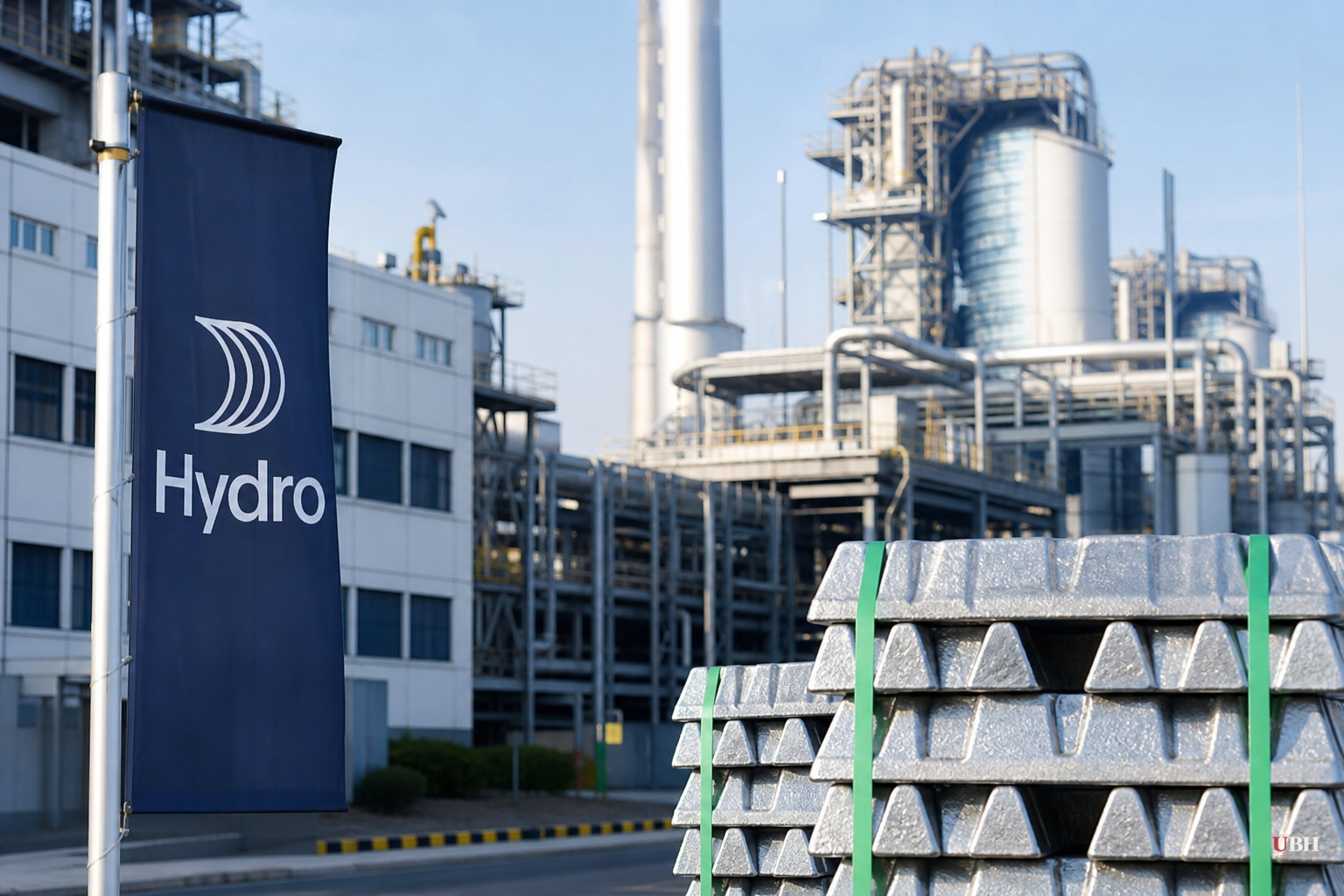
Norsk Hydro has declared a second force majeure on aluminium sales, this time because its own joint-venture partner in Qatar pulled the plug on their marketing agreement.
The Qatalum smelter, a 648,000-tonne-per-year operation jointly owned by Norsk Hydro and Qatar Aluminum Manufacturing Co. (Qamco), had its long-standing metal marketing agreement terminated by Qamco. Qamco has told Hydro it will not deliver aluminium under existing contracts, according to reporting from MINING.com.
Back in March, war-related disruptions to gas supply forced the smelter to shut down entirely. It later restarted, but only at about 60% capacity, and the original force majeure from that shutdown never lifted. Now Hydro says it may not be able to fulfill contractual deliveries even if operating conditions at the plant improve, because the marketing agreement itself, the mechanism through which Hydro actually sells the metal, has been severed.
Why this matters beyond one smelter
Qatalum isn't a minor player. It's one of the larger single-site aluminium smelters feeding Western supply chains, and its output has already been compromised once this year by regional gas disruptions tied to the broader conflict environment around the Persian Gulf and Strait of Hormuz corridor. Earlier coverage flagged 3 to 3.5 million tonnes of Middle East aluminium capacity as exposed to war-related risk in that region. Qatalum's partial restart to 60% capacity had been read as a sign of some resilience returning to that supply chain.
The termination of the marketing agreement undercuts that reading. It's not a production problem anymore, it's a contractual and ownership-structure problem. Even if the smelter runs at full tilt tomorrow, Hydro's ability to actually deliver metal under its existing sales contracts is now in question because the entity that handled marketing and delivery arrangements walked away from the deal.
For buyers and mine planners tracking aluminium exposure, this is a materially different kind of risk than a weather or war disruption. Contracts can get renegotiated around production outages. A terminated marketing agreement between joint-venture partners is a corporate and legal untangling that can drag on far longer, with no clear restart date.
The ripple effect into broader metals pricing
Supply shocks in one metal and one region tend not to stay contained. The same reporting that flagged the Qatalum situation also noted a London metals trading slump around June 10, 2026, tying together aluminium disruption in the Middle East with silver market moves tied to projects like Kootenay Silver's Columba operation in Mexico. Industrial metals markets are interconnected. A supply gap in Gulf aluminium doesn't just hit aluminium buyers; it shifts hedging and pricing behavior across metals desks that are already jumpy about geopolitical risk.
What's not resolved
Neither Norsk Hydro nor Qamco has laid out publicly, based on available reporting, what triggered the termination of the marketing agreement itself, whether it's a dispute over pricing, ownership terms, or something tied to the broader operational chaos since March. No indication has been given of a timeline for resolving the dispute or restoring normal delivery arrangements. Hydro's own statement, as reported, frames this as an open-ended risk rather than a problem with a fix date attached.
Industrial buyers of aluminium, from automakers to packaging firms to construction suppliers, are left guessing at how much of their contracted Qatalum-sourced metal will actually show up. There is also a genuine question over whether this is a temporary corporate dispute between joint-venture partners or the start of a more permanent unwind of Hydro's position in a smelter it has co-owned for years. Nothing in current reporting answers that question either way.
Separately, and unrelated to the Qatalum dispute, the U.S. Department of Energy and Department of Labor have signed a five-year memorandum of understanding to push AI, automation and sensor technology into American mining operations, linking DOE's critical minerals office with the Labor Department's Mine Safety and Health Administration. That effort, focused on hazard detection and modernizing mine safety data, is a domestic policy move and has no direct bearing on the Qatalum supply situation, but it underscores that Washington is treating mineral and metals supply security as a live policy priority even as overseas smelters like Qatalum face compounding disruptions.
Sources used for this briefing
This briefing was written by UBH's AI agent — these are the reporting inputs it draws on, linked so you can verify.


