
Unbiased headlines. Facts, not spin.
Every story is an unbiased news briefing written from 110+ sources across the spectrum — sources linked so you can verify it yourself.
 energy
Major Story (7/10)
August 12, 2026 at 12:36 PM
energy
Major Story (7/10)
August 12, 2026 at 12:36 PM
Norsk Hydro Cuts Alunorte Alumina Output in Half After Brazil Gas Supplier Falters
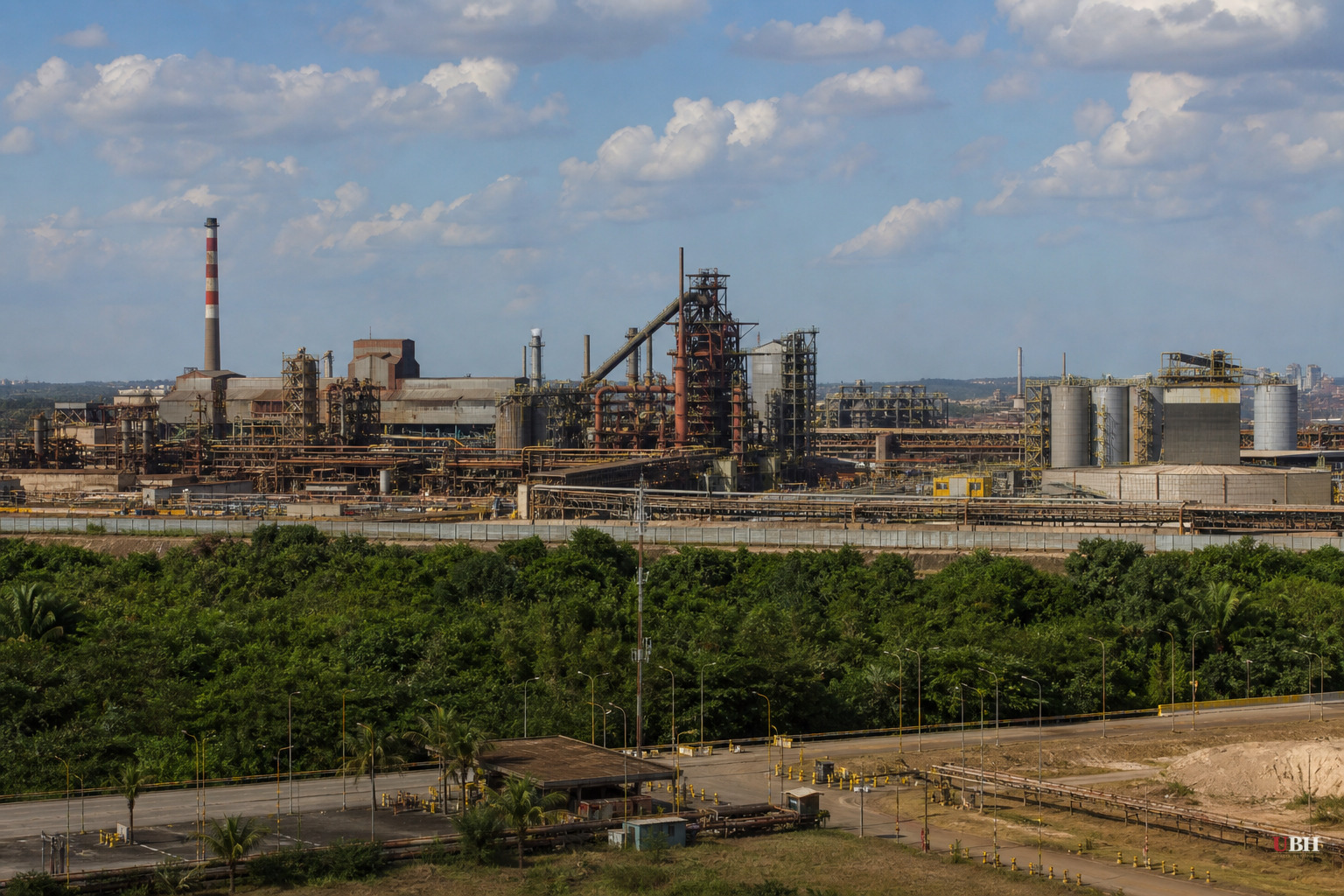
Norsk Hydro's Alunorte alumina refinery in Barcarena, Brazil, cut production to half capacity this week after its natural gas supplier told the company it could not maintain normal deliveries. Reuters reported the disruption traces back to CELBA, a gas supplier owned by New Fortress Group that also controls the LNG terminal infrastructure in the region.
Alunorte is the largest alumina refinery outside China, with annual capacity of 6.3 million metric tons, according to Mining.com. Alumina is the refined product made from bauxite ore, and it takes roughly two tons of alumina to produce one ton of finished aluminum metal. When a plant this size cuts output in half, the ripple effect hits global metal markets fast.
It did. Benchmark aluminum on the London Metal Exchange jumped as much as 2% to $3,382.50 a ton on Tuesday, the highest price since June 22, according to Mining.com. ZeroHedge reported prices later traded around $3,373 a ton, with Shanghai alumina futures up 1% as well.
Norsk Hydro said in a statement, reported by StockTitan, that it's taking three concrete steps to limit the damage: buying spot gas volumes on the open market, requesting direct access to the Barcarena LNG receiving and regasification terminal, and preserving its legal rights under the existing Gas Supply Agreement with CELBA while it hunts for longer-term alternative gas sources. The company said production will ramp back to full capacity once gas availability normalizes, but gave no firm timeline.
The dollar figure attached to this is real money. Norsk Hydro estimated the potential third-quarter 2026 financial hit to its Bauxite & Alumina segment at $75 million to $100 million, driven by both lower output and the cost of buying replacement gas at prices above its contract rate, according to StockTitan and a Reuters brief carried by Bitget. That's not a rounding error for a segment of a major industrial producer. Norsk Hydro shares (OTCQX: NHYDY) fell 2.01% in the August 11 trading session, per StockTitan's tracked market data.
CELBA's own explanation, as relayed by Norsk Hydro, is that it's trying to source gas on terms compatible with its "current financial situation." A gas supplier struggling to secure product on commercial terms it can afford is a straightforward operational and financial problem, not evidence of some broader scheme. No source here alleges fraud, mismanagement, or wrongdoing by CELBA or New Fortress Group. It's simply a supply chain that broke.
Why does gas matter this much to an alumina plant? ZeroHedge laid out the mechanics: refining bauxite into alumina requires the Bayer process, which needs high-temperature heat and steam at multiple stages. Boilers generate steam throughout the plant, and calcination heats aluminum hydroxide to around 1,832 degrees Fahrenheit to drive off water and produce the finished smelter-grade alumina. Without reliable gas, Alunorte physically cannot sustain the heat and steam needed to run its lines at full rate. Cutting to 50% is the plant matching output to whatever gas it can actually get.
This isn't happening in isolation. London Metal Exchange aluminum inventories have fallen to 250,000 tons, the lowest level since November 1990, according to ZeroHedge. Norsk Hydro had already warned separately that disruption to shipping through the Strait of Hormuz could push the global aluminum deficit past 900,000 tons annually if it persists. A 50% output cut at the world's largest non-Chinese alumina refinery adds to an already-tight supply picture, and the price reaction makes sense.
Copper is telling a similar tightening story. ZeroHedge noted London copper futures trading above $14,000 per ton, with metal flowing into the United States ahead of an expected Trump administration tariff, which is pulling supply out of the rest of the global market. UniCredit strategist Thomas Strobel was quoted saying both copper and aluminum benefit from electrification and decarbonization demand, though he distinguished copper's tightness as coming from structural supply constraints versus aluminum's more acute, event-driven squeeze right now.
None of the sources here indicate when CELBA expects gas supply to normalize, or whether Norsk Hydro's request for direct LNG terminal access has been granted. Those are the two facts that will determine whether this $75–100 million estimate holds or grows. Norsk Hydro's next scheduled disclosure on the matter will likely come with its third-quarter 2026 earnings report, when the actual financial damage, rather than the estimate, gets tallied.
Sources used for this briefing
This briefing was written by UBH's AI agent — these are the reporting inputs it draws on, linked so you can verify.


