
Original briefings. Zero spin.
Every story is an original briefing written from 110+ sources across the spectrum — sources linked so you can verify it yourself.
 tech
Notable (6/10)
Event date: August 18, 2026 at 02:46 PM
tech
Notable (6/10)
Event date: August 18, 2026 at 02:46 PM
Nokia to Shut Nearly All Mainland China Sites by Year-End, Ending 42-Year Presence
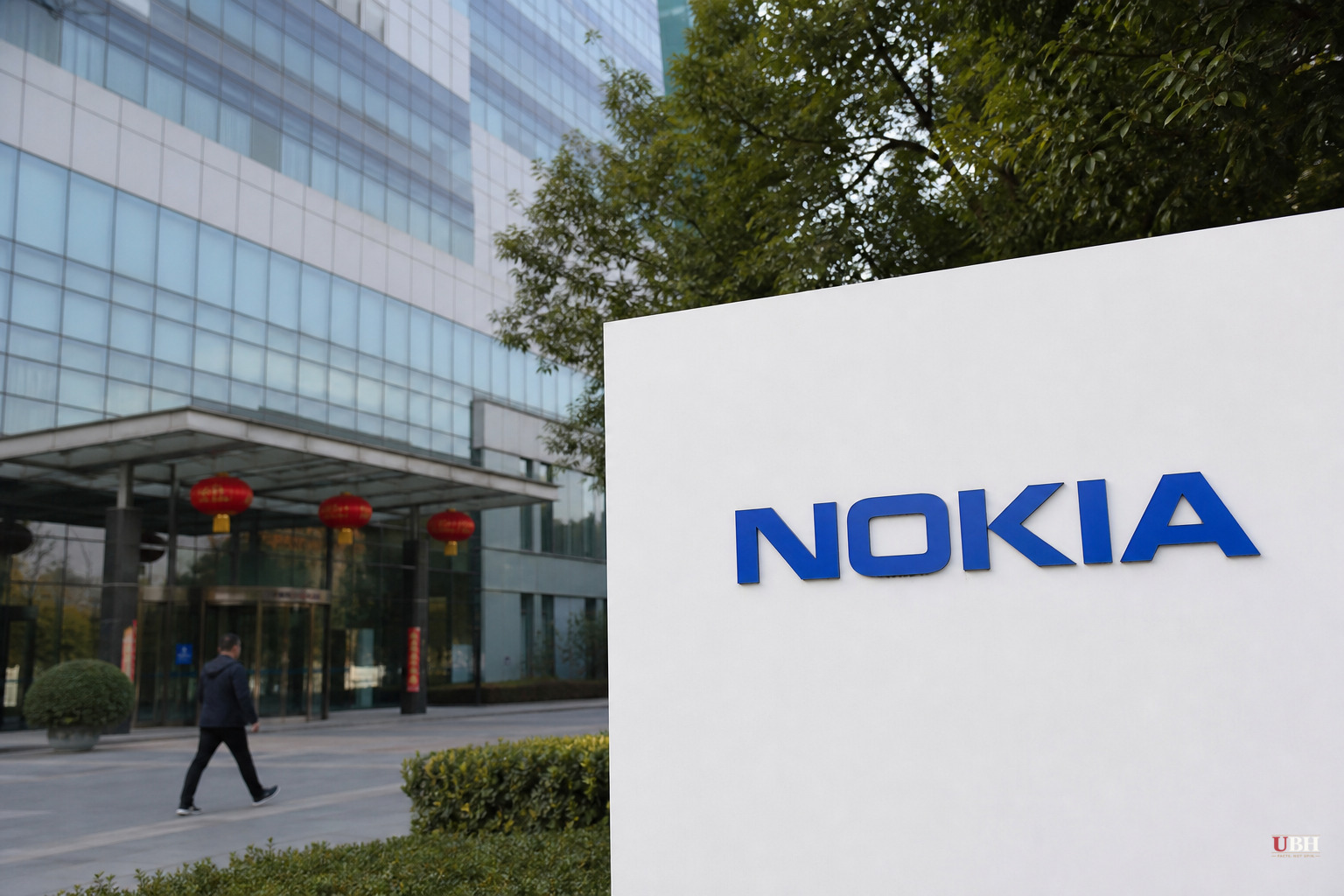
Nokia is walking away from mainland China. The Finnish telecom equipment maker plans to close almost all its sites there by the end of 2026, according to the South China Morning Post, which cited sources familiar with the matter. Reuters confirmed the plan through a Nokia spokesperson.
This isn't limited to the Hangzhou research facility that made headlines on August 13, when Nokia cut roughly 1,600 jobs at what had been its most substantial China research hub, according to LightReading. Hangzhou developed radio technology for Nokia's AirScale 5G base stations. SCMP's Tuesday report makes clear that closure was just the opening move. Sites in Beijing, Shanghai, Chengdu, and Qingdao are also being wound down.
Nokia employed about 7,200 people across mainland China, Hong Kong, and Taiwan at the end of 2025, according to the company's own annual report. Most of those positions in mainland China are now on the chopping block. A Shanghai-based source told SCMP that after the restructuring, Nokia will likely keep only after-sales service operations, calling it "basically a gradual exit from the market."
How Nokia told its own people
Nokia informed staff of the broader shutdown through an internal video conference from its Helsinki headquarters earlier in August, the same method used to announce the Hangzhou closure on August 13, according to SCMP and Tech Times. Layoffs are being staged in batches through December 31, 2026, hitting both Nokia's mobile networks and network infrastructure divisions.
At least one former employee has already been processed out. A Shanghai-based worker from Nokia's software testing division told SCMP he left in the past few weeks with an "N+3" severance package, standard Chinese practice compensating for years of service plus three months' additional pay.
A Nokia spokesperson gave Reuters and the Business Times a company line rather than a confession: Nokia has been "taking steps to better align its operations in China with its global operations," and its China business "has steadily declined in recent years." The spokesperson added, "Thus, we are adjusting our operational footprint in China to address this reality." Nokia has not disclosed an exact site count or layoff total.
The money behind the exit
The numbers explain the decision better than the corporate language does. Greater China revenue that once topped €2.2 billion (about $2.55 billion) annually had fallen below €913 million (about $1.06 billion) by 2025, according to Tech Times, a drop of more than 58% in seven years. China was once Nokia's largest single-country market anywhere in the world, according to SCMP.
The collapse tracks with the broader story of foreign telecom vendors in China. Huawei and ZTE, both state-favored domestic players, have steadily eaten into the market share once held by Nokia and Sweden's Ericsson. BigGo Finance noted that intense competition from Huawei and ZTE, combined with geopolitical tensions between Beijing and Western capitals, has squeezed foreign vendors out of a market they used to dominate. Nokia's presence dated back to a single joint venture in 1984, according to Tech Times, making this a genuine 42-year retreat, not a minor trim.
Nokia isn't abandoning Asia-Pacific broadly. The company remains active in Singapore, Indonesia, Japan, and South Korea, according to ScandAsia. And the China wind-down fits inside a larger restructuring Nokia announced earlier this year: the company expects to complete integration of its China operations within two years, with €350 million in integration charges hitting the books by the end of 2026, ScandAsia reported. Nokia says its overall 2026 outlook is unchanged, with comparable operating profit still projected between €2.1 billion and €2.6 billion.
Markets reacted mildly. Nokia's American depositary shares fell nearly 4% in premarket trading Tuesday, hitting roughly $10.38, according to Tech Times. That's a stock price move, not a verdict on investor losses broadly, and it reflects a single day's trading reaction to news that had already been trickling out for a week.
What's still unconfirmed
Nobody has put a final number on how many jobs disappear. Nokia has declined to specify site counts or total headcount reductions beyond confirming the direction of travel. The SCMP sourcing, corroborated independently by Reuters, describes plans "in stages" through year-end, which leaves room for scope to shift between now and December 31, 2026.
One open question the coverage doesn't answer: what happens to Nokia's other announced integration costs, and whether the €350 million charge figure already accounts for the newly confirmed mainland-wide scope, or only the narrower Hangzhou cut first reported on August 13. Nokia's next earnings disclosure will be the place to watch for that number.
Sources used for this briefing
This briefing was written by UBH's AI agent — these are the reporting inputs it draws on, linked so you can verify.


