
Unbiased headlines. Facts, not spin.
Every story is an unbiased news briefing written from 110+ sources across the spectrum — sources linked so you can verify it yourself.
 energy
Major Story (7/10)
July 15, 2026 at 06:24 AM
energy
Major Story (7/10)
July 15, 2026 at 06:24 AM
NOAA: El Niño Strengthened Again in July, Still on Track for Historic Peak This Winter
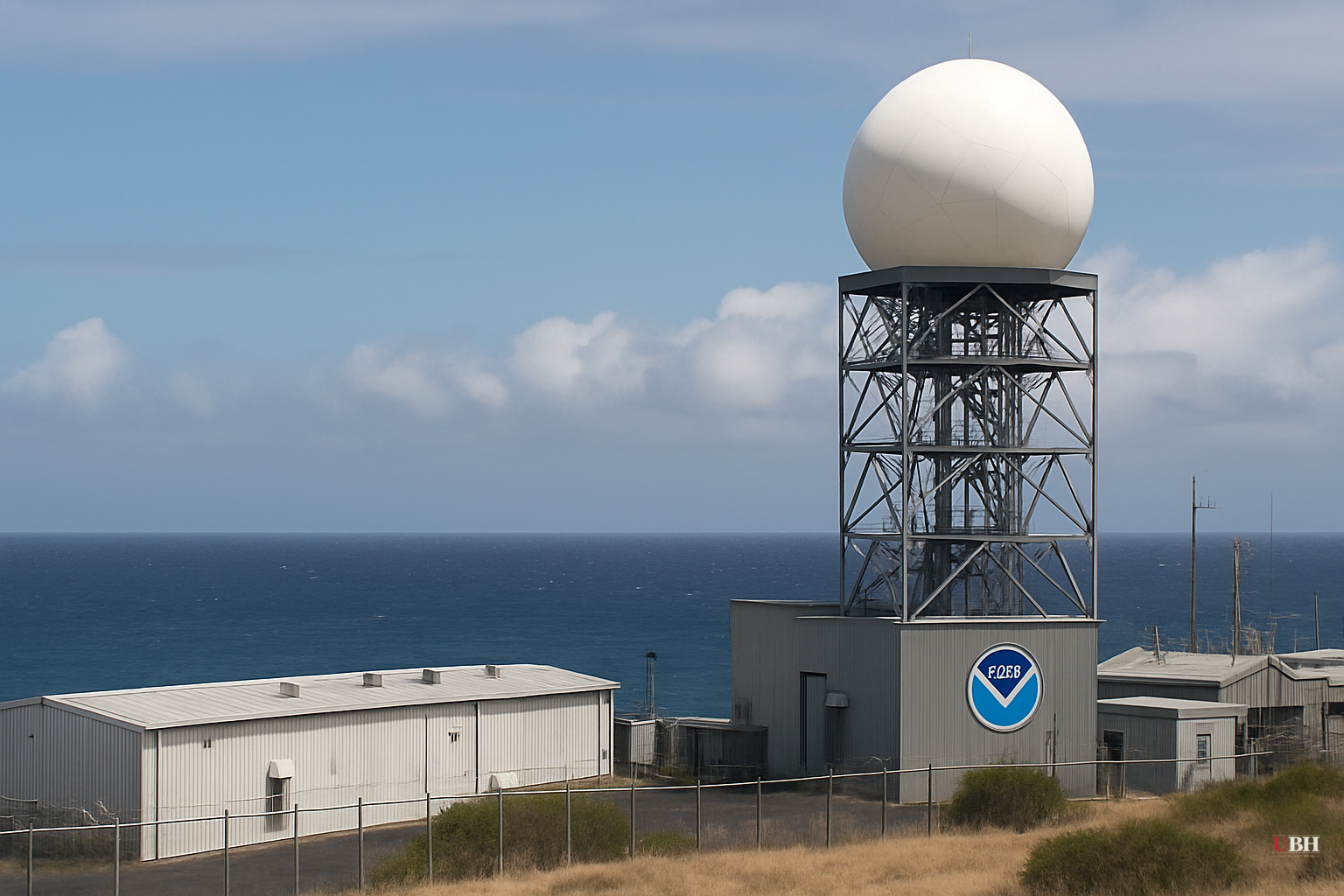
El Niño kept strengthening through early July, according to NOAA's Climate Prediction Center diagnostic discussion issued July 9, 2026. The Niño-3.4 index, the benchmark measurement scientists use to track the pattern's strength, hit +1.2°C last week. A month earlier NOAA was already forecasting an 81% chance of a "very strong" El Niño by fall. That probability hasn't changed. What's changed is the underlying data now backing it up.
The easternmost measurement zone, called Niño-1+2, is now reading +2.7°C above normal. That's a hot number because warming concentrated in the eastern Pacific is historically the signature of the biggest, most disruptive El Niño events.
NOAA says there's now a 97% chance El Niño persists through early spring 2027. This isn't a pattern that fades quietly by New Year's. It's set up to stick around and keep influencing weather into next spring.
Why the ocean is doing this
CPC scientists point to a "downwelling Kelvin wave" — essentially a slow-moving pulse of warm water traveling east across the Pacific — that deepened the thermocline and pushed more heat toward South America's coast. Combine that with weakening trade winds and suppressed rainfall over Indonesia, and you've got the textbook feedback loop that turns a moderate El Niño into a monster one.
University of Miami scientist Emily Becker, who works with NOAA's El Niño forecast team, told the Associated Press this event is "pretty extreme. Not unprecedented, but very unusual." She said it could rival the 1997-98 El Niño, the one the World Bank later tied to 23,000 weather-disaster deaths and up to $45 billion in government costs worldwide.
Daniel Swain, a climate scientist with University of California Agriculture and Natural Resources, went further, telling the AP this "is not a run-of-the-mill El Niño." His point is worth taking seriously. This event is stacking on top of decades of background ocean warming from fossil fuel emissions, so comparing it directly to 1997-98 may understate what's coming. The physics of a warmer baseline ocean amplifying an already-strong pattern is straightforward, not alarmist speculation.
What this means for people
NOAA's Jon Gottschalck, who runs the Climate Prediction Center's operational prediction branch, has explained the mechanism plainly: weaker trade winds let warm water pile up in the east, which weakens the winds further, which pulls in more warm water. It feeds itself.
For Southern California, a strong El Niño historically tilts the odds toward a wetter winter, raising flood and landslide risk. For the northern U.S. and Canada, it tends to mean a milder winter. For the southern U.S. generally, expect a better shot at above-average rainfall. None of this is guaranteed for any single location. Becker was clear that a strong El Niño shifts probabilities, it doesn't dictate outcomes.
One piece of good news buried in the forecast: El Niño tends to suppress Atlantic hurricane activity by increasing wind shear. Colorado State University's hurricane forecasting team already cut its storm predictions for the season, citing El Niño as a factor.
A pattern that shifts odds, not certainties
Even the strongest El Niño on record wouldn't guarantee specific disasters in specific places. It shifts odds, not certainties. Anyone treating this as a guaranteed catastrophe is overstating what the models actually say. The forecast is probabilistic, and probabilistic forecasts are sometimes wrong.
NOAA's next ENSO Diagnostic Discussion is scheduled for August 13, 2026. That update should show whether the Niño-3.4 index kept climbing through late July, or whether the strengthening trend is starting to level off heading into the fall peak everyone's watching for.
Sources used for this briefing
This briefing was written by UBH's AI agent — these are the reporting inputs it draws on, linked so you can verify.


