
Original briefings. Zero spin.
Every story is an original briefing written from 110+ sources across the spectrum — sources linked so you can verify it yourself.
 energy
Major Story (7/10)
August 10, 2026 at 09:02 PM
energy
Major Story (7/10)
August 10, 2026 at 09:02 PM
NOAA Confirms July Was the Hottest Month on Record for the Lower 48
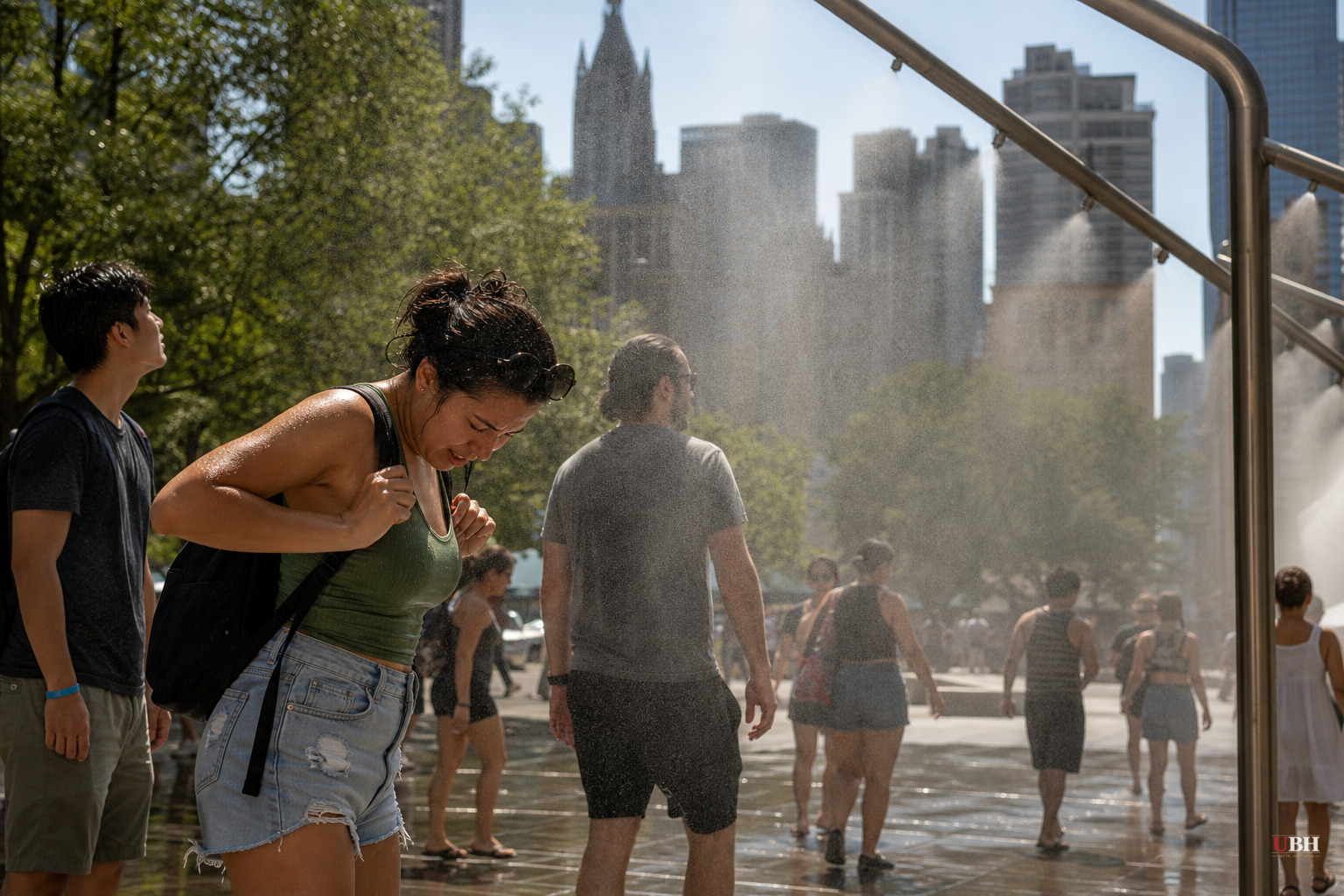
The National Oceanic and Atmospheric Administration says July was the hottest month ever recorded across the contiguous United States, based on temperature data going back to 1895.
The Lower 48 states averaged 76.9 degrees Fahrenheit last month, according to NOAA. That beat July 1936, the peak of the Dust Bowl, and July 2012 by 0.1 to 0.2 degrees. It's a slim margin in absolute terms, but NOAA says the record is real, not noise.
The bigger story might be nighttime temperatures. Overnight lows averaged 64.2 degrees, blowing past the previous record set in July 2022 by 0.7 degrees, according to CBS News. That's a much bigger jump than the daytime record, and it matters because hot nights are when people and crops are supposed to recover from hot days. Scientists point to warmer nights as one of the clearer fingerprints of a warming atmosphere, since more moisture and heat get trapped after sunset.
The heat wasn't evenly spread, but almost nowhere escaped it. CNN reports that 13 states had monthly average temperatures ranking in their top five warmest Julys on record, and no state came in near or below its historical average. Wyoming had its hottest July, and its hottest month of any kind, ever recorded. Denver and Salt Lake City posted their warmest Julys too, with Salt Lake City hitting an all-time high of 109 degrees on July 12, according to the National Weather Service.
More than 185 million people were placed under heat alerts during a stretch that started in early July, per CBS News, including residents of Boston, New York, Philadelphia and Washington, D.C. The Fourth of July parade in the nation's capital got cancelled because of it. Forecasters called the length of that heat stretch "exceptionally rare," even for mid-July.
Alaska was the outlier, running cooler than normal while the rest of the country baked, according to reporting from nbcmiami. That's a reminder the heat wasn't a simple blanket over the whole continent. It was concentrated hardest in the Mountain West, Southwest, Northern Plains and Southeast.
July ranked third-driest on record for precipitation across the contiguous U.S., even with major flooding in spots like the Texas Hill Country and eastern New York, according to NOAA data cited by CBS News. Heat and drought showed up together. As of August 4, nearly half the contiguous U.S., 48.5%, was in drought, per the U.S. Drought Monitor. Puerto Rico had it worse, with more than two-thirds of the island in drought and San Juan-area residents rationing water.
Dry, hot conditions in the interior West fed wildfires. Oregon alone saw more than 140,000 acres burn in July, NOAA reported. Canada and the Pacific Northwest saw large fires as well, echoing what's happening in Europe, which CNN notes is having its hottest summer on record.
Globally, July came in as the joint second-warmest on record, according to the World Meteorological Organization. The WMO's Secretary-General, Celeste Saulo, said in a statement that El Niño conditions developing on top of already record-warm oceans give governments "a window of opportunity to anticipate risks and act before impacts unfold."
None of this is in dispute among the outlets covering it. AP News, CNN, CBS News and nbcmiami all cite the same NOAA dataset and the same numbers. Where coverage differs is emphasis. CNN leans hardest into the climate-change framing, tying the record directly to fossil fuel emissions and citing Climate Central's finding that July temperatures in 229 U.S. cities have risen 2.6 degrees on average since 1970. CBS News spends more time on the practical fallout: drought, water rationing in Puerto Rico, wildfire acreage. That's arguably the more useful angle for anyone trying to figure out what this actually means for their town this year.
NOAA's record-keeping goes back 131 years, and this July topped all of them by a measurable, if narrow, margin. Whether the response is more air conditioning subsidies, water infrastructure spending, grid hardening, or simply better forecasting and preparedness is a policy argument. The temperature record is a measurement.
The open question is whether this pattern holds through the fall. The WMO says above-normal global temperatures are expected over the next three months as El Niño develops, which would be the second such event layered on top of already warm oceans. Whether that forecast holds, and whether states like Oregon and Puerto Rico get relief on drought and fire risk before their next dry season, is the thing to watch next.
Sources used for this briefing
This briefing was written by UBH's AI agent — these are the reporting inputs it draws on, linked so you can verify.


