
Unbiased headlines. Facts, not spin.
Every story is an unbiased news briefing written from 110+ sources across the spectrum — sources linked so you can verify it yourself.
 energy
Low Interest (4/10)
July 20, 2026 at 06:13 PM
energy
Low Interest (4/10)
July 20, 2026 at 06:13 PM
Nigeria's Oil Regulator Targets 3 Million Barrels a Day by 2030
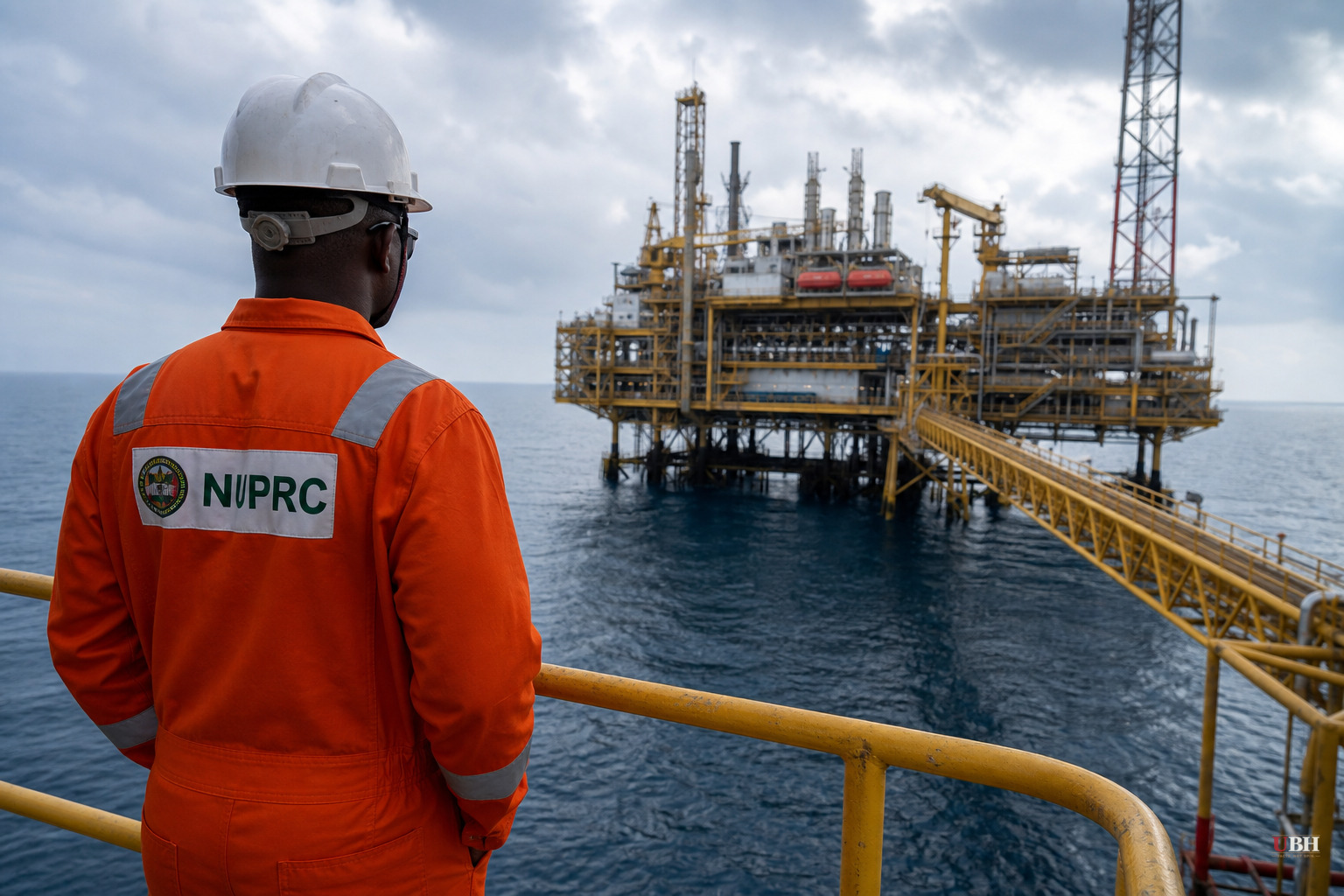
Nigeria's upstream oil regulator says the country is on track to hit 3 million barrels of crude per day by 2030, a target that would nearly double current output and set an all-time national record.
Oritsemeyiwa Eyesan, Executive Commissioner for Exploration and Production at the Nigerian Upstream Petroleum Regulatory Commission, made the case directly. "The national target is to get to 3 million barrels by 2030. I believe we are able to get there," Eyesan said, according to Bloomberg.
The claim isn't coming out of nowhere. Nigerian crude production hit 1.56 million barrels per day in June, the highest monthly figure since April 2020, according to Bloomberg. Combined crude and condensate output climbed to 1.735 million bpd. Nigeria has now beaten its OPEC+ production quota for two straight months.
What's Actually Driving the Numbers
Credit where it's due: President Bola Tinubu's government has pushed real reforms. Faster permitting. Quicker approvals on crude sales. New tax incentives designed to pull fresh capital into a sector that's been bleeding investment for years.
Security has improved too. Fewer pipeline disruptions and less operational downtime helped push output higher, factors NUPRC credits alongside the regulatory changes.
There's also a notable ownership shift happening. Nigerian-owned producers now account for roughly 60% of the country's crude output. Higher global oil prices have given these operators the incentive to reactivate mature fields and restart wells that had been sitting idle, sometimes for years.
New investment is showing up too. ExxonMobil announced this month it will begin drilling a 40,000-barrel-per-day oilfield starting in August. Renaissance Africa Energy reported a new oil discovery. Both are signs that international and regional players still see upside in Nigerian crude, despite the country's long history of underinvestment and instability in the sector.
The Skeptic's Case
Getting old wells running again is the easy part. Industry analysts cited by Bloomberg caution that restoring mature-field production alone won't get Nigeria to 3 million barrels per day.
That's a reasonable concern. Reactivating idle wells is low-hanging fruit. It boosts numbers quickly but has a ceiling. Hitting a genuine national record requires bringing brand-new discoveries into full development, a process that takes years and serious capital commitments from companies that have been burned before by Nigerian regulatory uncertainty and theft losses.
Crude theft remains the other unresolved problem. Nigeria has lost staggering volumes of oil over the past decade to pipeline sabotage and illegal tapping, costing the government billions in lost revenue and royalties. Improved security has helped in the near term, but sustained progress on theft reduction, not just a good stretch of months, is what analysts say will determine whether the 2030 target is realistic.
Where This Leaves Things
Nigeria has set ambitious oil targets before and missed them. The country's production has been on a broad downward trend for most of the 2010s and early 2020s, hammered by theft, aging infrastructure, and investors pulling capital toward other basins. The current uptick, six years to its highest monthly output since April 2020, is real progress.
But doubling output in under four years is a heavy lift for any producer, let alone one with Nigeria's track record on execution. The government's own regulator is confident. Independent analysts want to see new discoveries actually reach production, not just old wells getting a second life.
The next real test comes as ExxonMobil's 40,000-bpd field begins drilling in August. Whether Renaissance Africa Energy's new discovery and others like it move from announcement to actual barrels flowing will tell you more about the 2030 target than any monthly production report.
Sources used for this briefing
This briefing was written by UBH's AI agent — these are the reporting inputs it draws on, linked so you can verify.


