
Unbiased headlines. Facts, not spin.
Every story is an unbiased news briefing written from 110+ sources across the spectrum — sources linked so you can verify it yourself.
 energy
Low Interest (4/10)
July 21, 2026 at 01:43 AM
energy
Low Interest (4/10)
July 21, 2026 at 01:43 AM
New Zealand Oil Companies Race to Lock Down Offshore Permits Ahead of November 7 Election
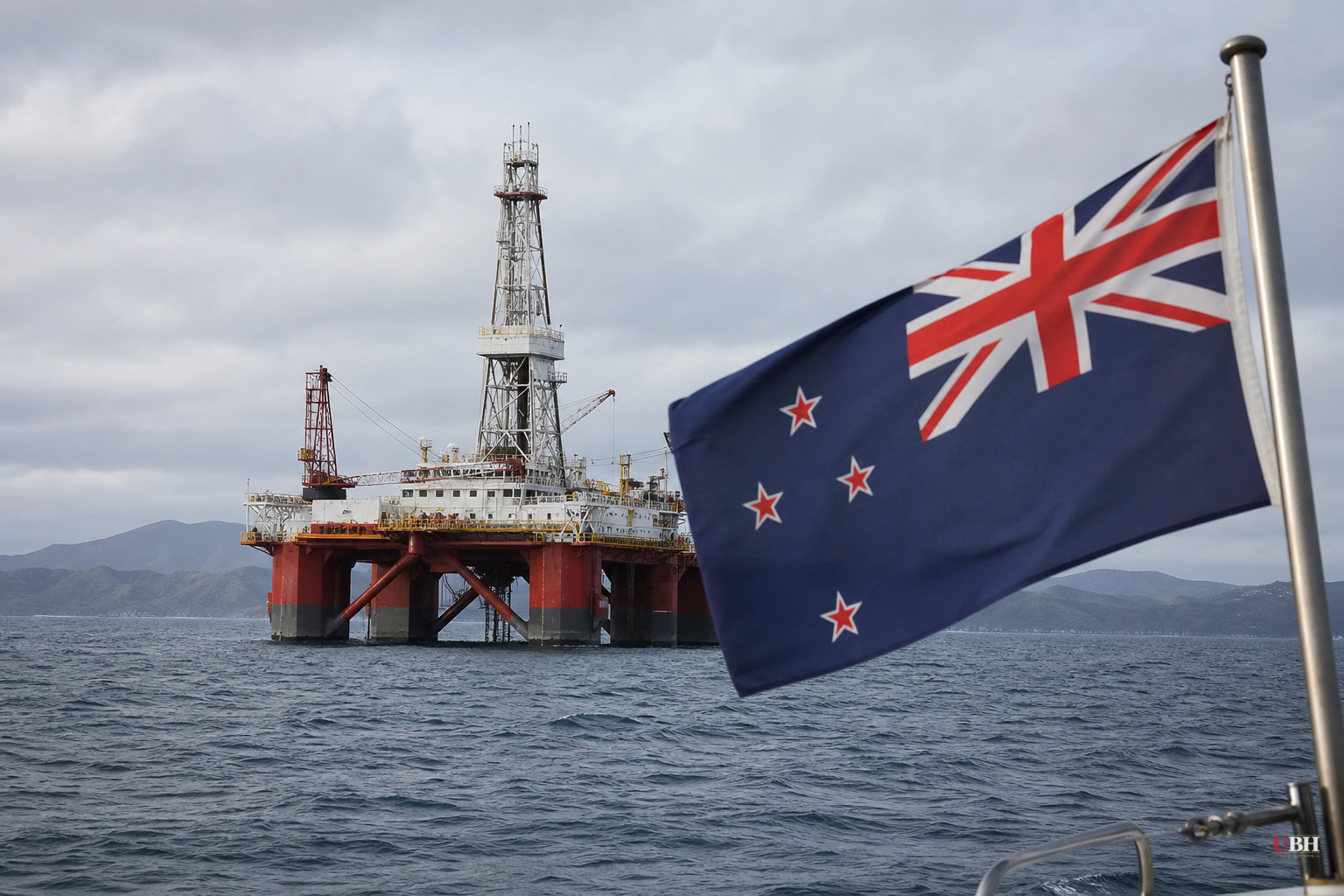
Oil and gas explorers in New Zealand are moving fast to lock in offshore permits before voters head to the polls on November 7, 2026, according to OilPrice.com. If Labour and its likely coalition partners win, they've promised to undo the very policy that made this exploration legal again.
New Zealand banned new offshore oil and gas exploration in 2018 under a Labour-led government. The current National Party-led coalition reversed that ban in September 2025 after campaigning on the issue in 2023, according to Argus Media. Resources Minister Shane Jones had laid out the reasoning back in June 2024: the country's natural gas reserves are declining fast and something had to give on energy security.
The numbers back him up. New Zealand's gas supply fell to 115.7 petajoules in 2024, a drop of 21 percent from 2023, according to Argus Media, citing the country's ministry of business, innovation, and employment. Gas output declined for eight straight quarters through the July-September 2025 period. This reflects a real supply problem, and it's why Jones and the National coalition made this a campaign issue in the first place.
Prime Minister Christopher Luxon announced the November 7 election date on January 21, 2026, according to Argus Media. Offshore drilling is shaping up to be a genuine dividing line in the campaign, not a minor issue buried in a party platform.
Labour leader Chris Hipkins has been blunt about where his party stands. In an August 27, 2025 radio interview with Newstalk ZB, Hipkins said Labour opposes the removal of the offshore exploration ban and would reinstate it if elected, according to Argus Media. That's a clear, on-record position.
Labour's potential coalition partners are even more aggressive on the issue. Green Party co-leader Chloe Swarbrick said on September 24, 2025 that "a Green Government will reinstate the oil and gas ban and revoke any permits granted under the current fossil-fuel obsessed regime," according to Argus Media. Te Pāti Māori co-leader Debbie Ngarewa-Packer went further the next day, saying her party wants to ban seabed mining permits nationwide, withdraw existing permits, and build a national Māori strategy for renewable energy.
This dynamic is driving the permit rush. If Swarbrick and Ngarewa-Packer mean what they said, a change in government could mean permits granted under National get pulled back entirely, not just frozen for future exploration. For an oil company weighing millions in exploration costs, that's a political risk to plan around.
New Zealand's coalition system makes this more complicated than a simple two-party bet. Since 1996, when the country moved to proportional representation, a single party has governed alone only once, according to Argus Media, that being Labour's 2020-23 majority during the pandemic-era election. Every other government has been a coalition. Whether Labour, the Greens, and Te Pāti Māori actually end up governing together after November 7 depends on vote splits nobody can predict yet.
There's a legitimate case for the National government's approach. Energy security isn't an abstract talking point when gas supply has fallen 21 percent in a single year and industrial users like Methanex are being forced to idle plants. Methanex, the Canadian methanol producer, shut down its 1.7 million ton per year Motunui plant for several months in 2024 because of gas supply shortages, according to Argus Media, before restarting it later. That's a real company shedding real production because New Zealand doesn't have enough gas. Jones and National argue that's exactly the kind of outcome offshore exploration is meant to prevent.
The counterargument from Labour, the Greens, and Te Pāti Māori is straightforward: locking in more fossil fuel infrastructure now makes it harder to pivot to renewables later, and permits granted in an election-year rush could bind the country to drilling decisions voters haven't actually weighed in on yet. Swarbrick's position that a change in government would mean revoking permits granted under "the current fossil-fuel obsessed regime" reflects that view directly.
Neither side is hiding the ball here. National reversed a ban to address a measurable gas decline. Labour and its likely partners say they'd reverse the reversal. Oil companies are betting on speed, trying to get permits approved and exploration underway before any of that can happen.
What happens next depends entirely on November 7. No polling data included in current reporting establishes which coalition scenario is likeliest, and no permits have yet been revoked or granted specifically in response to the election timeline beyond the general rush described by OilPrice.com. The practical question for companies weighing New Zealand's offshore basins is whether a permit secured in 2026 survives a government that takes office in late 2026 or early 2027.
Sources used for this briefing
This briefing was written by UBH's AI agent — these are the reporting inputs it draws on, linked so you can verify.


