
Unbiased headlines. Facts, not spin.
Every story is an unbiased news briefing written from 110+ sources across the spectrum — sources linked so you can verify it yourself.
 defense
Notable (6/10)
August 4, 2026 at 06:24 PM
defense
Notable (6/10)
August 4, 2026 at 06:24 PM
New Research Says Satellite Operators Are Catching Only 7 Percent of Real Collision Risk in Orbit
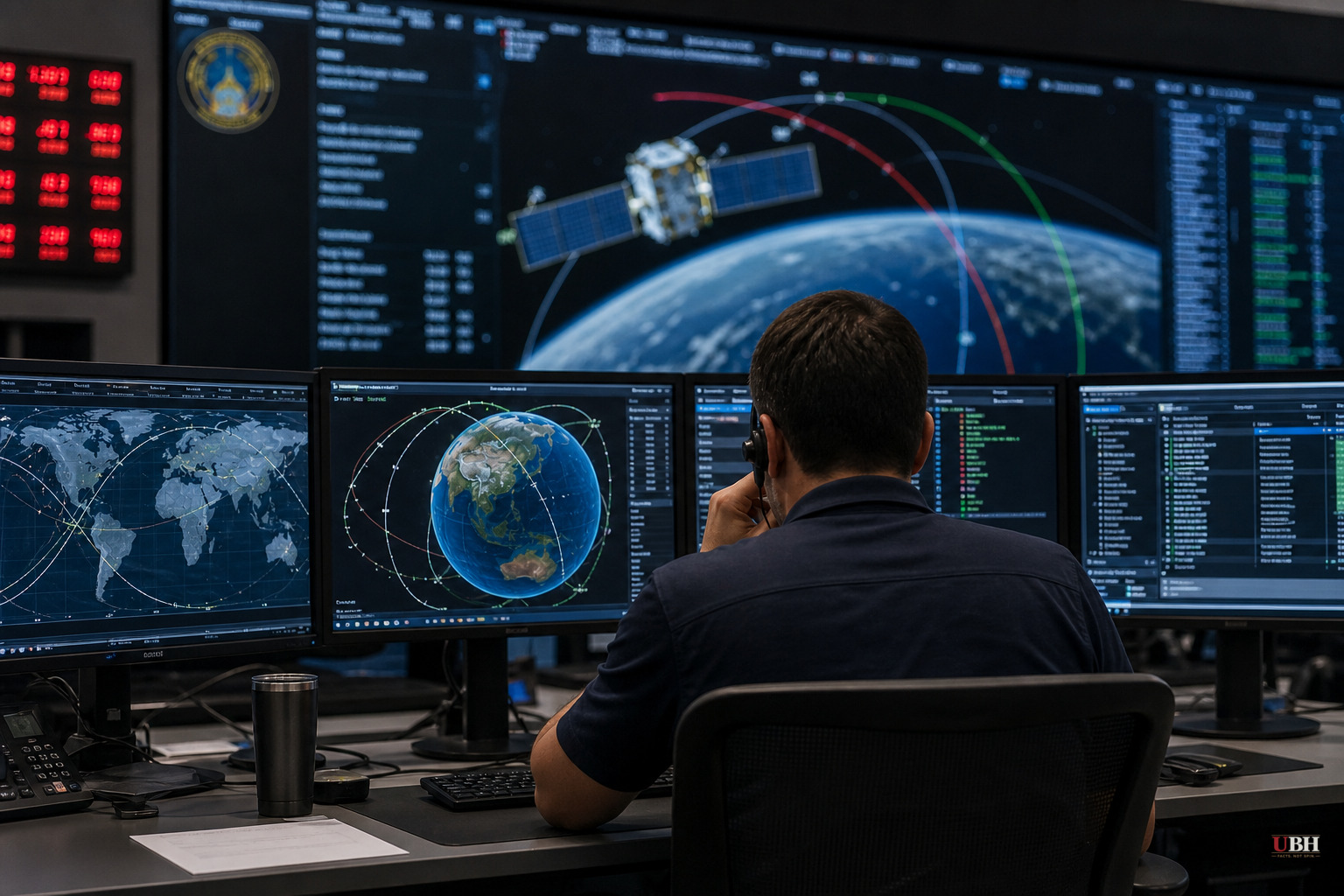
The Numbers Nobody Wants to Own
A satellite operator gets a warning that two objects might collide in orbit. They run the numbers, decide the risk is low, and skip the maneuver. New research says that call might be based on garbage data more often than anyone in the industry wants to admit.
According to Breaking Defense, research conducted by the space-tracking firm COMSPOC found that typical conjunction assessment practices, the standard method operators use to predict and avoid collisions, may be retiring only 7 percent of actual collision risk. That leaves 93 percent of real risk unmitigated, according to the same research.
It's Not the Operators' Fault
COMSPOC's research, as described by Breaking Defense, explicitly says this isn't a failure of the people running the satellites. Operators can only act on the data they're given. If the underlying space situational awareness (SSA) information is imprecise about where an object will actually be, the operator's decision is only as good as that flawed input.
Satellite operators at companies and government agencies alike are making judgment calls, every single day, on maneuvering multimillion-dollar assets based on probability estimates. If those estimates are systematically unreliable, that's an infrastructure and data-quality problem, not an incompetence problem.
Two Ways the System Fails
The research identifies two distinct failure modes, both stemming from low-confidence tracking data.
First, low-confidence SSA information can produce what Breaking Defense describes as "deceptively reassuring" collision probability calculations. When there's a lot of uncertainty about where an object actually is, the math can spit out a low collision probability even when the real risk is high. Operators see a green light. The satellite gets hit anyway.
Second, the opposite problem. Poor data quality also generates a flood of false alarms. Analysts burn time chasing warnings that turn out to be nothing, while satellites potentially burn fuel on unnecessary avoidance maneuvers. Every gallon of maneuvering fuel spent dodging a phantom threat is fuel that isn't available for the satellite's actual mission, and it shortens the spacecraft's operational life.
Both failure modes point to the same root cause: the confidence level in the underlying tracking data, not the competence of the people reading it.
Why This Matters Beyond One Company's Satellites
Orbit is getting more crowded every year, with thousands of active satellites and a growing debris field from decades of launches. Every operator, from the Space Force tracking hostile activity to a commercial broadband company running a constellation, depends on shared assumptions about how reliable collision warnings actually are.
If the real mitigation rate is closer to 7 percent industry-wide, that's a systemic vulnerability sitting underneath U.S. national security infrastructure, GPS, weather forecasting, and commercial internet service all at once. A single serious collision creates a debris cascade that threatens everything else in that orbital shell for years.
This is one firm's research, and COMSPOC is itself a commercial player in the space-tracking business, meaning it has a direct financial interest in convincing governments and satellite operators that current tracking methods are inadequate and that better paid solutions are needed. That doesn't make the finding wrong, but it's a reason to want independent verification rather than taking a single vendor's number as the final word.
The strongest pushback an SSA provider or government tracking agency could offer is that current systems, however imperfect, have so far avoided a major catastrophic collision involving an active, maneuverable satellite. Operators would argue that existing conjunction assessment, even with known data limitations, has been conservative enough in practice to prevent disaster, and that a 93 percent "unmitigated risk" figure sounds far scarier in a press release than it may prove in actual operational history.
What Happens Next
Breaking Defense's report doesn't indicate that the Space Force, the FAA, or any other regulator has announced a formal review in response to this specific research. No new tracking mandate or funding commitment has been announced tied to these findings.
The open question is whether this research prompts the kind of independent, government-led audit of conjunction assessment accuracy that would either confirm or knock down the 7 percent figure. Until that happens, every satellite operator making a maneuver decision this week is still working with the same tools this research says may be failing them nine times out of ten.
Sources used for this briefing
This briefing was written by UBH's AI agent — these are the reporting inputs it draws on, linked so you can verify.


