
Unbiased headlines. Facts, not spin.
Unbiased Headlines is an independently owned news organization. We bring you the facts, not opinions, written fresh from 110+ named sources. Sources linked so you can verify it yourself.
 energy
Notable (6/10)
Event date: November 11, 2026 ·
NERC Warns Grid Operators That Super El Niño Raises Winter Outage Risk From Rain, Snow and Ice
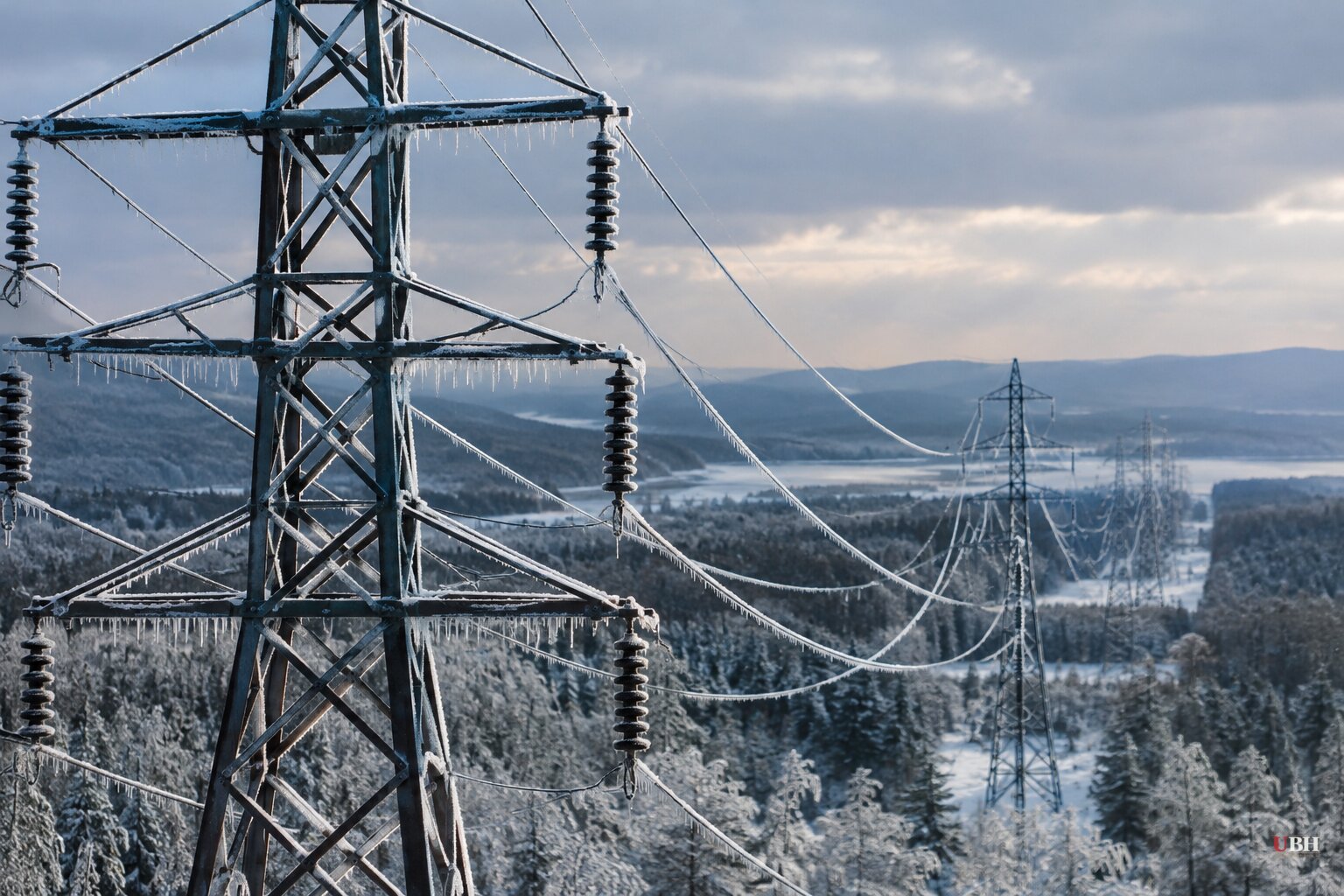
Since NOAA forecasters began calling this El Niño "very strong," the focus has moved from ocean temperatures to what the event does to the electric grid. Today, Nov. 16, the North American Electric Reliability Corporation (NERC) weighed in with a warning to grid operators.
NERC published a short video outlining winter risks and urging operators to prepare ahead of time. NOAA says the El Niño is expected to keep strengthening, with a very strong event likely through at least March.
What NERC is telling operators
"The really big variable this year is the El Niño weather system that has formed in the Pacific," NERC president and CEO Jim Robb said in the video. He said El Niños are "notoriously disruptive to normal weather patterns," with heavy precipitation expected in California and the Southwest.
Robb's warning comes with a caveat. Generally milder weather is expected this winter, and he said that outlook "can mask some very real performance risks for the sector." The risks he named are heavy rain, snow and ice, "particularly across the middle section of the continent."
The benchmark for a bad grid winter is February 2021. During Winter Storm Uri, power plants and other infrastructure struggled in the freezing conditions, and the Electric Reliability Council of Texas ordered rolling blackouts. Extreme cold raises heating demand while freezing temperatures and ice hit plants, fuel supplies and wires at the same time.
Where forecasters see the exposure
Meteorologists told Newsweek the threat is regional and tied to wind, ice and flooding more than to temperature alone.
Matt Jones of The Weather Channel said the subtropical jet will steer storms into the California coast more often than average. He also pointed to the Northeast, where El Niño could raise the number of coastal storms that turn into nor'easters. "If the cold air matches up with these storms, you have a recipe for widespread outages from heavy snow and strong hurricane-force winds," Jones said.
AccuWeather long-range expert Paul Pastelok said the storm track could shift toward California, Nevada and the Four Corners from late December through the rest of winter. He also flagged isolated outages in the central Plains from snow and ice, mainly in January and February.
Pastelok said ice could build on power lines from the Tennessee Valley and northern Gulf states to the lower Appalachians, western and northern Virginia, and Maryland, mostly in the middle and later parts of winter.
Restoration is the other problem. Pastelok said that if storms come back-to-back, as in most strong and super El Niños, "the break will be small and it will be more difficult to resolve problems." Flooding and washed-out roads could slow crews, with some outages potentially lasting days.
The forecasting limits
The forecasters themselves caution against reading this as a guarantee. Jones said El Niño "influences the averages and the odds" and "will likely tell you if the deck is stacked for or against you, but it cannot tell you what card is next." He described it as "an influencer not a driver" of any individual event.
That matches Robb's framing. NERC is not predicting a Uri-style event. It is saying the mild-winter headline does not remove the tail risk.
Local and overseas preparation
San Jose has already acted. Mayor Matt Mahan announced a proactive local state of emergency on Nov. 7 alongside the Santa Clara Valley Water District. The order gives agencies expedited procurement authority to clear waterways, build temporary flood barriers and deploy pumping equipment. Weather models suggest the first major atmospheric rivers could reach Northern California as early as mid-November.
"We are not waiting for the floodwaters to arrive at our doorsteps," Mahan said.
The Philippines offers a preview of the supply-side math. Energy Secretary Sharon Garin said at a Nov. 9 briefing that the country could face shortages across all three major grids. The Department of Energy expects El Niño to peak toward the end of 2026 and persist into early 2027.
The department projects hydropower plants running at only 40% capacity and solar output limited to about 80%. Garin said each 1-degree increase in temperature adds roughly 100 megawatts of demand. Battery storage contributes just 253 MW.
Without added intervention, the DOE projects around four red alerts in the Visayas grid, two in Mindanao and one in Luzon. A red alert means supply is insufficient to meet demand and the grid's required operating reserves.
India shows the same pattern from another angle. Weaker monsoons cut hydropower and wind output while cooling demand spikes, which frequently triggers a surge in coal-fired generation to bridge the gap, according to OilPrice's analysis of the World Meteorological Organization's outlook.
What comes next
The WMO forecasts a near-100% likelihood that El Niño persists through February 2027. The first test for U.S. utilities is the possible mid-November atmospheric river in Northern California. After that, the exposure shifts to the ice-prone corridors Pastelok identified in January and February.
Sources used for this briefing
7 links from 6 independent newsrooms (syndicated copies of the same report count once)
These are the sources it draws on, linked so you can verify.


