
Unbiased headlines. Facts, not spin.
Every story is an unbiased news briefing written from 110+ sources across the spectrum — sources linked so you can verify it yourself.
 energy
Notable (5/10)
July 24, 2026 at 04:03 AM
energy
Notable (5/10)
July 24, 2026 at 04:03 AM
Nearly 2,000 Lightning Strikes Ignite 35 Wildfires Across Central Oregon in Hours
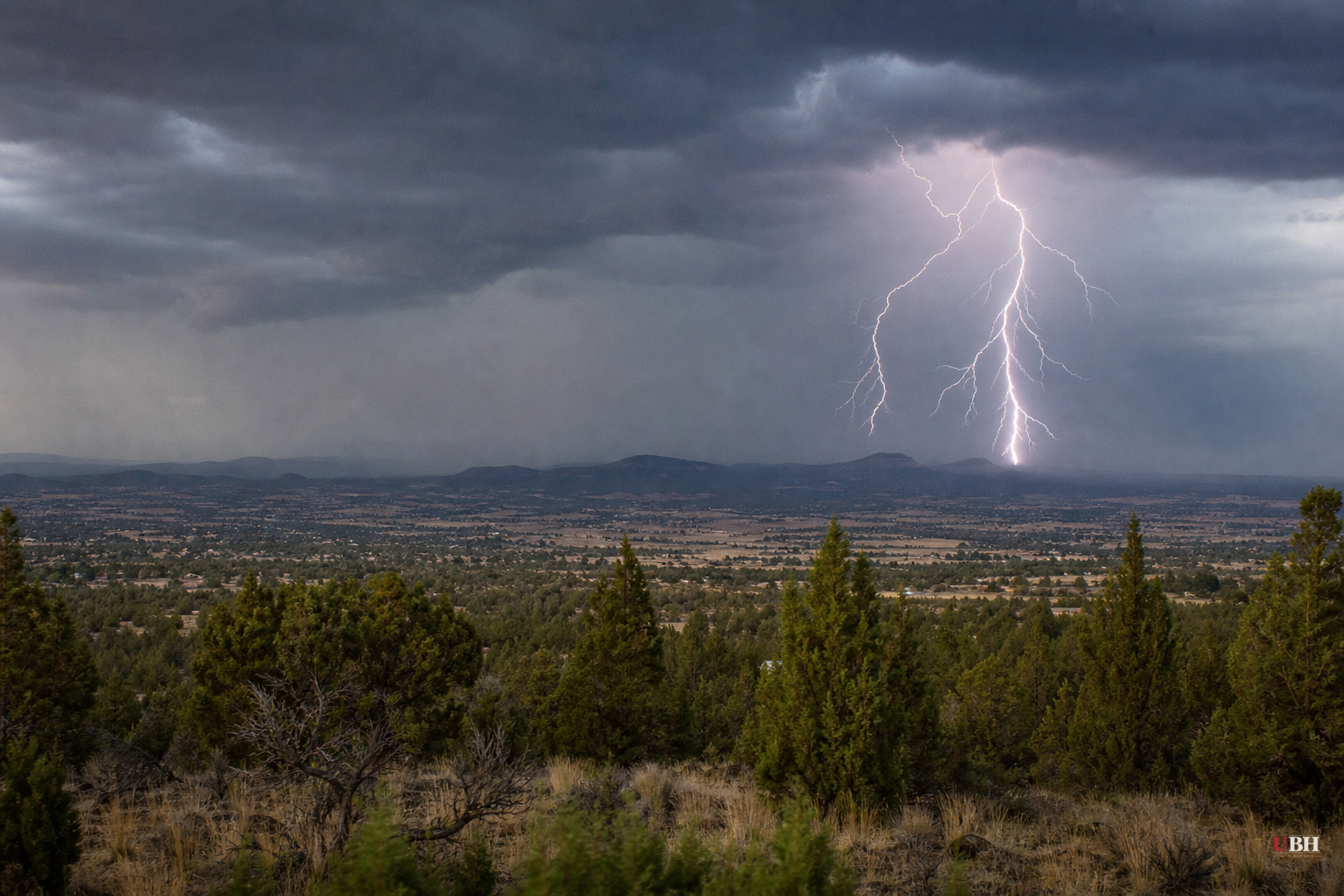
A single thunderstorm dumped nearly 2,000 lightning strikes on Central Oregon by 8:30 p.m. Wednesday, according to Central Oregon Fire Information. At least 35 wildfires broke out across forests and rangeland in a matter of hours.
It was a fast, violent weather event that outran firefighters' ability to respond to every ignition at once.
What's Burning
The biggest threat is the Akawa Butte Fire, which had grown to 26,144 acres, according to Central Oregon Fire Information. Wind is driving the fire's spread, and officials issued Level 3 "Go Now" evacuation orders for residents near Sisters, Oregon. That's the highest evacuation level, meaning there is no time to gather belongings. Leave immediately.
A separate blaze, the Ten Mile Fire near Madras, had grown to roughly 800 acres as crews worked to contain it, per the same source.
One of the earliest fires to break out was located about 3 miles northeast of Terrebonne, on the north side of the Crooked River east of Smith Rock State Park. Firefighters stopped its forward progress after it burned 19.4 acres.
The Dickerson Fire, roughly 6 miles southwest of Brothers, grew past initial size estimates before crews got a handle on it, according to Central Oregon Fire Information.
Why So Many Fires at Once
Lightning-caused wildfires are notoriously hard to fight because they don't show up one at a time. A single storm cell can spark dozens of ignition points across a wide area simultaneously, forcing fire agencies to triage which blazes get resources first.
Central Oregon Fire Information reported that while parts of the region did see bursts of heavy rain during the storm, the rain wasn't widespread enough to douse the lightning-sparked fires before they took hold. Dry fuel, wind, and scattered rainfall is close to a worst-case combination: enough lightning to ignite fires everywhere, not enough water to put them out.
Fire officials also warned that the danger isn't over. Lightning-struck trees and vegetation can smolder underground or inside the trunk for days before flaring into a visible fire, according to Central Oregon Fire Information. That means crews could be discovering new fires from this same storm well into the following week, even without another lightning event.
Early Reports Lack Key Details
Early coverage of this event has been thin on specifics that matter to people living near the fire lines: how many personnel and aircraft are assigned to the Akawa Butte Fire, what containment percentage crews have reached, and how many structures are threatened or lost. Those numbers typically come from incident command teams and state fire agencies like the Oregon Department of Forestry, and they may not be available until later.
There's also no confirmed count yet of how many of the 35 reported fires remain active versus contained. Fire numbers early in an event like this tend to shift fast, up or down, as crews get eyes on smaller starts that either fizzle out or take off.
The Bigger Picture
Central Oregon has dealt with lightning-driven fire outbreaks before, but a nearly 2,000-strike event producing 35 separate ignitions in a single evening is a serious test of regional firefighting capacity. When that many fires start at once, agencies lean on mutual aid from surrounding counties and, if the situation escalates, state or federal resources.
The open question right now is straightforward: how many of these 35 fires get contained before the next round of hot, dry, windy weather moves through. Central Oregon's fire season typically runs deep into September, and a storm like this one, arriving in late July, sets the stage for what could be a long few months for crews already stretched by an active start to the year.
Residents near Sisters under the Level 3 evacuation order should watch for updates from Deschutes County emergency officials, since evacuation levels can shift quickly if wind conditions change or the Akawa Butte Fire's perimeter expands further.
Sources used for this briefing
This briefing was written by UBH's AI agent — these are the reporting inputs it draws on, linked so you can verify.


