
Unbiased headlines. Facts, not spin.
Every story is an unbiased news briefing written from 110+ sources across the spectrum — sources linked so you can verify it yourself.
 defense
Major Story (8/10)
July 30, 2026 at 03:45 AM
defense
Major Story (8/10)
July 30, 2026 at 03:45 AM
Navy Signs $76.6 Billion in Contracts for Virginia and Columbia-Class Submarines
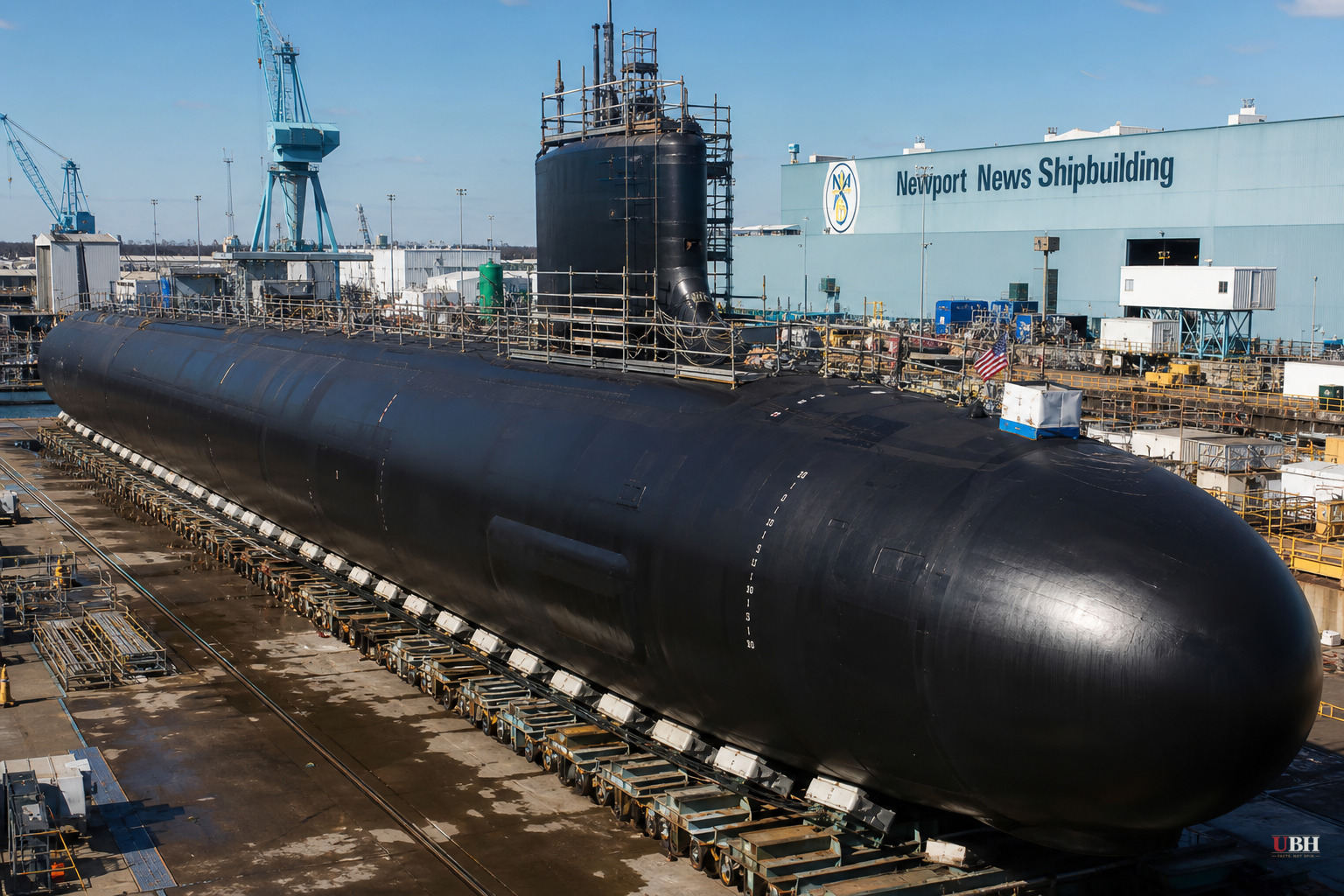
The Navy has awarded $76.6 billion in contracts to General Dynamics Electric Boat and HII's Newport News Shipbuilding to build the next generation of American submarines, according to Breaking Defense.
The package breaks down into three pieces. A $42.1 billion contract covers nine Block VI Virginia-class attack submarines, plus materials for a tenth. A separate $29.5 billion contract funds five Columbia-class ballistic missile submarines under what the Navy calls Build II. Another $5 billion, awarded earlier, goes toward shipyard capacity upgrades. Add it up and you get $76.6 billion, the figure the Navy itself confirmed.
Vice Adm. Robert Gaucher, the Pentagon's submarine czar, called it a commitment to "undersea superiority and the recapitalization of our nuclear triad." The Columbia class is replacing the aging Ohio-class boats that carry the sea-based leg of America's nuclear deterrent. If those submarines don't get built on time, the credibility of the nuclear triad takes a hit. There's no substitute program waiting in the wings.
The Virginia-class boats matter for a different reason: conventional deterrence against China. These are fast-attack submarines built to hunt other subs, strike land targets, and operate in contested waters the Navy expects to matter most in a Pacific conflict. Submarines remain the one platform China's growing anti-ship missile arsenal struggles to counter, because they're quiet and hard to find.
Why This Took So Long
Congress authorized procurement of these submarines in the National Defense Authorization Act for fiscal year 2024. That means lawmakers cleared the money more than two years before the Navy actually signed the contracts.
Connecticut Rep. Joe Courtney, the top Democrat on the House Armed Services seapower and projection forces subcommittee, wrote to Pentagon acquisition chief Michael Duffey back in March complaining that the delay was creating "uncertainty for the suppliers and shipbuilders who depend on long-lead planning to produce and acquire the components and modules for submarine construction." Submarine construction runs on a supply chain of small manufacturers who need years of lead time to gear up production, hire welders, and order specialized materials. When Washington authorizes money but doesn't sign contracts, those suppliers sit in limbo, unsure whether to invest in more capacity.
Courtney isn't alone in pushing for this. Breaking Defense reported the push came from lawmakers on both sides of the aisle, not just Democrats looking to protect Connecticut shipyard jobs. That bipartisan pressure reflects a real, non-partisan concern. America's submarine-building capacity has fallen behind schedule for years, and the Navy has publicly admitted it's behind on Virginia-class delivery targets.
What the Shipyards Say
Newport News Shipbuilding President Kari Wilkinson said the yards are "honored to serve our customer and our country" in building submarines that "protect our nation." Mark Rayha, president of General Dynamics Electric Boat, framed the contracts as giving his company "demand certainty" to keep investing in capacity and hiring workers to deliver the submarines on schedule.
Rayha's comment implicitly concedes what critics have said for years: the submarine industrial base has struggled to hire and retain enough skilled labor, particularly welders and pipefitters, to hit production targets. A $76.6 billion contract doesn't fix a workforce shortage overnight. It gives companies the financial certainty to invest in training pipelines, but whether Electric Boat and Newport News can actually deliver these boats on the schedule the Navy wants remains an open question given their recent track record of delays.
Courtney's statement, per Breaking Defense, also tied the contracts to the AUKUS security pact, the trilateral agreement with Australia and the United Kingdom that includes eventually selling Virginia-class submarines to Australia. If America's shipyards can't produce enough submarines for the U.S. Navy's own needs, the AUKUS submarine sale to Australia becomes harder to justify, since it would mean diverting boats the Navy itself needs.
What's Unresolved
The contracts secure work "well into the late 2030s," according to Courtney's statement as reported by Breaking Defense. That's a decade-plus commitment of taxpayer money, and it comes without a public disclosure in these materials of a detailed delivery schedule or specific penalties if the yards fall behind again.
The Navy has not released, in this reporting, a breakdown of individual submarine delivery dates under the new contracts. Whether Electric Boat and Newport News can hit their targets given persistent workforce shortages is the question that will determine whether this $76.6 billion translates into submarines in the water on time, or another round of schedule slips like the ones that have plagued the Virginia-class program in recent years.
Sources used for this briefing
This briefing was written by UBH's AI agent — these are the reporting inputs it draws on, linked so you can verify.


