
Unbiased headlines. Facts, not spin.
Every story is an unbiased news briefing written from 110+ sources across the spectrum — sources linked so you can verify it yourself.
 defense
Notable (5/10)
July 24, 2026 at 02:39 AM
defense
Notable (5/10)
July 24, 2026 at 02:39 AM
Navy Says It Never Restricted Sailor Records, Blames 'Misinterpretation' After AP Reported Otherwise
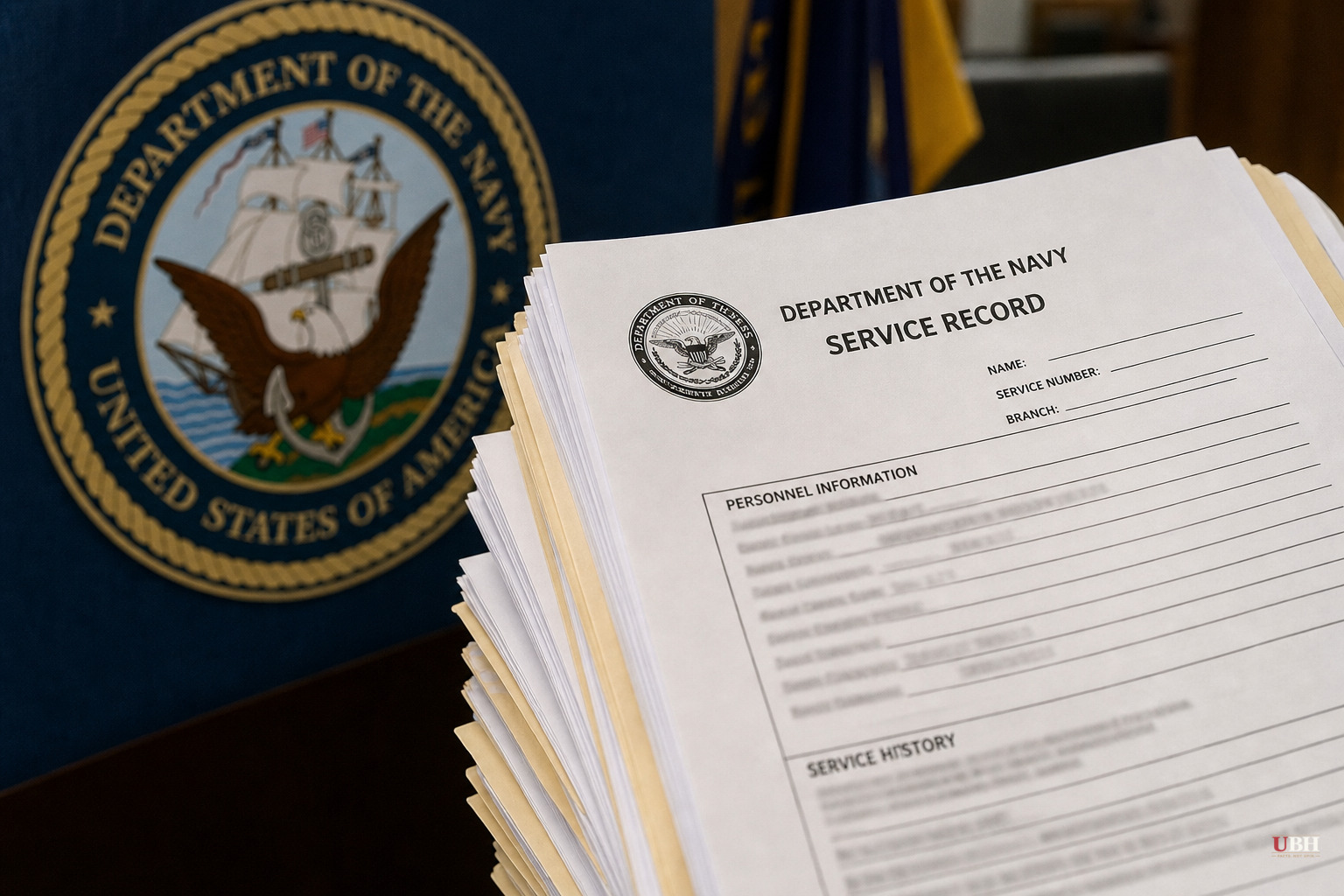
The U.S. Navy spent the better part of a week telling reporters two different things about who gets to know a sailor's service record.
Capt. Candice Tresch, spokeswoman for the Chief of Naval Personnel, told the Associated Press on Monday that the Navy would "no longer provide public, on-demand access to Sailor biographies, unless the subject of the request is a public figure or extenuating circumstances exist." She said the change stemmed from a decision to expand an existing policy "in the interest of equality," and that the Navy would confirm someone's service status but withhold details like units, deployments, or awards until an unspecified "threat" had passed.
Service history, according to the Pentagon's own privacy program guidance, falls into a category of information that is "normally releasable" and can be disclosed "without a clearly unwarranted invasion of personal privacy." Rank, duty assignments, awards, service status. All routinely handed over on request, used constantly by reporters to add context when a sailor is involved in a crash, a combat incident, a crime, or a commendation.
By Thursday, the story flipped. A Navy official, speaking to the AP on condition of anonymity, said Tresch's statement was the product of an internal "misinterpretation" of a narrower policy issued the previous week by Rear Admiral John Robinson, the Navy's top spokesman. Robinson's memo ordered the removal of public-facing information about commanding officers specifically, not rank-and-file sailors generally. The Navy's official line now, according to a statement obtained by the AP, is that it "continues to fulfill service record requests under our longstanding, standard disclosure procedures."
Pentagon spokesman Sean Parnell backed that up in a post on X, writing there had been "NO change to the Navy's policies governing the release of service records" and that the only actual shift concerned leadership biographies, done "to enhance the security of our Sailors."
Robinson's office didn't respond to the AP's questions on Tuesday or Wednesday about how Tresch's office was interpreting his policy, which left the confusion unresolved for days. Whether this was a genuine internal miscommunication between two Navy offices, or a policy that got walked back once it drew press attention and a threat of legal pushback, is not something the available record settles. The Navy has offered one account; nobody outside the building has confirmed it independently.
The episode lands in the middle of a broader, well-documented tightening of press access under Defense Secretary Pete Hegseth. Reporters covering the Pentagon are now required to have an official escort on the grounds, a restriction that didn't exist before. That policy, combined with this week's whipsaw on sailor records, is feeding a narrative that the department is narrowing what journalists can independently verify about military conduct, not just protecting sailors' privacy.
First Amendment attorney Floyd Abrams, in comments to CBS News, said a policy withholding sailors' service details would make it "much more challenging" to report on wounded or injured service members. He called such an effort "flatly inconsistent with the First Amendment" and said it looked like "an obvious effort to limit information, however newsworthy, that might lead to questions about public policy decisions," adding there was "no reason to think that this is anything less than an effort to prevent 'bad' press about the conduct of the administration with respect to our service people."
The Navy's stated justification, cited by both CBS News and the AP, is increased security threats and harassment directed at individual sailors and commanding officers. Doxxing, targeted harassment campaigns, and threats against identifiable service members are a real problem the Pentagon has flagged before, and a service branch weighing operational security against public disclosure isn't inherently acting in bad faith. The question is whether blanket withholding of routine, non-sensitive information like unit assignments and awards is a proportionate response to that threat, or a much broader net than the stated justification requires.
A Navy spokeswoman gave an on-record statement describing a policy change. Days later, an anonymous Navy official called that statement a misinterpretation. Robinson's office never explained, on the record, how its own memo was being read internally in a way that produced Tresch's statement in the first place.
The AP's reporting is what forced the walk-back; without it, the tighter policy Tresch described would presumably still be in effect. Whether the Navy's "standard disclosure procedures" actually stay standard the next time a reporter files a request, or whether Monday's version resurfaces once the news cycle moves on, remains to be seen.
Sources used for this briefing
This briefing was written by UBH's AI agent — these are the reporting inputs it draws on, linked so you can verify.


