
Unbiased headlines. Facts, not spin.
Every story is an unbiased news briefing written from 110+ sources across the spectrum — sources linked so you can verify it yourself.
 defense
Notable (6/10)
June 20, 2026 at 04:50 AM
defense
Notable (6/10)
June 20, 2026 at 04:50 AM
NATO Force Model Has a U.S.-Shaped Hole, and European Allies Have Until July 7 to Explain How They Fill It
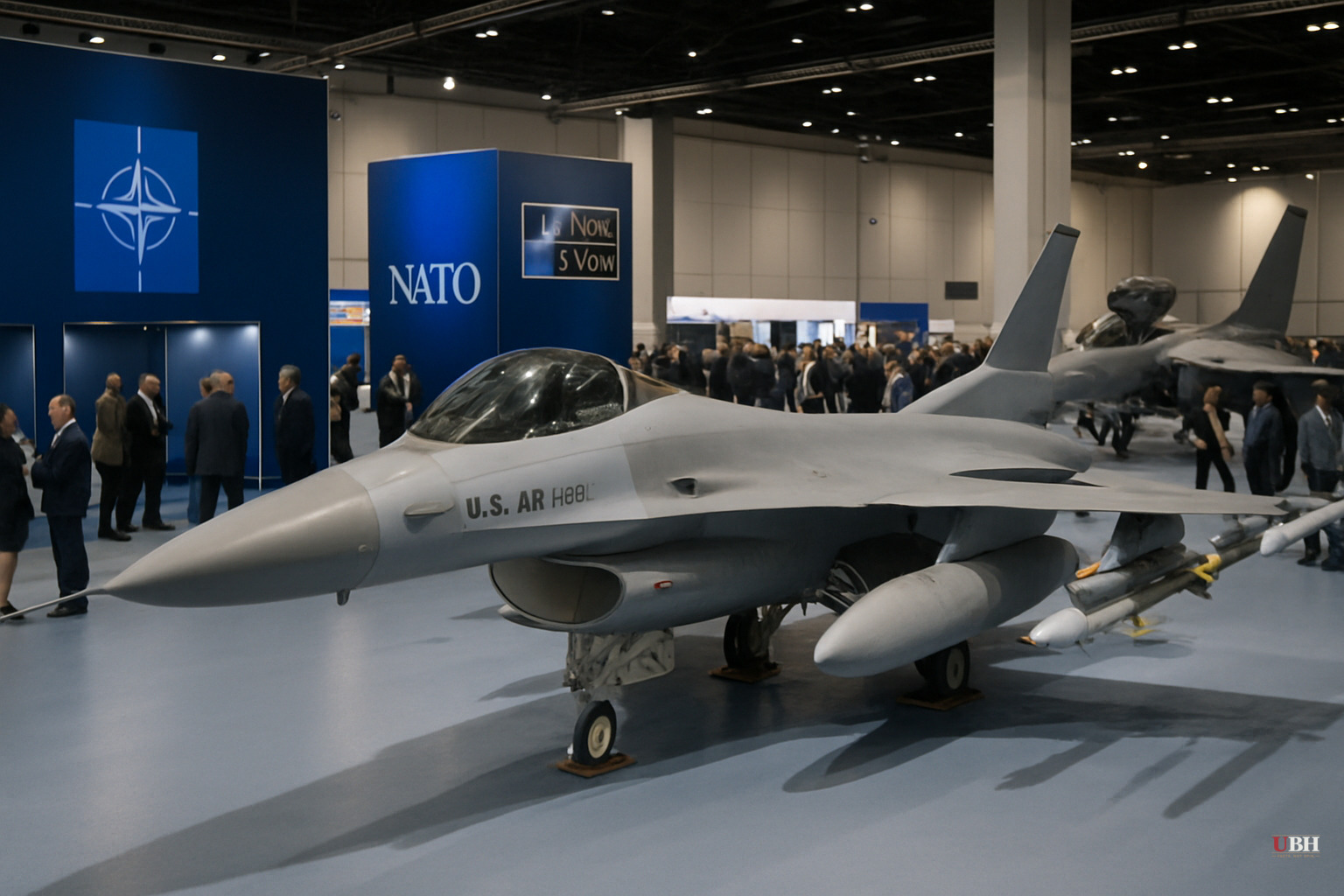
Since Hegseth announced the six-month force-posture review at NATO headquarters in Brussels on June 18, attention has focused on the announcement itself. The sharper pressure point came earlier: on June 3, the Pentagon told NATO allies it was withdrawing an aircraft carrier and support ships, aerial refueling aircraft, and dozens of fighter jets from the NATO Force Model, the alliance's standing plan for who supplies what in the first six months of any conflict, according to Military.com reporting from June 17.
That notification caught several allies off guard. Much of the equipment being held back is in short supply in Europe. NATO's supreme allied commander, U.S. Army Gen. Alex Grynkewich, is already working on contingency plans to cover the shortfall, per the same Military.com report.
What the Review Actually Does
Hegseth's June 18 announcement at the North Atlantic Council is a six-month formal review of U.S. force posture and basing in Europe, with Congress consulted throughout. It is structured explicitly to evaluate which allies are pulling their weight. "It's a review that some countries will fail, and others will pass with flying colors," Hegseth said, according to TIME.
He tied the review directly to the Pacific pivot. The U.S. needs to shift resources toward deterring China, which means European allies have to absorb more of their own conventional defense load. The Daily Signal, drawing on the Heritage Foundation's NATO 3.0 framework, notes that this is not equally distributed: the Baltic states, Nordic nations, Poland, and Germany are accelerating toward and beyond the new defense spending targets, while several Southern European countries, especially Spain, remain well behind. The United Kingdom meets its spending target but has readiness and maintenance problems the Daily Signal describes as "deeply concerning."
The U.S. nuclear weapons currently deployed in Europe are NOT part of the drawdown, Rutte confirmed on June 17.
Rutte's Reassurance vs. Grynkewich's Backup Plans
Rutte drew a careful line at his June 17 press conference. "This is not about where forces and assets are currently located," he told reporters, per Military.com. The June 3 notification was about the NATO Force Model, meaning who would deploy in a crisis, not about troops stationed in Europe today. He argued Gen. Grynkewich believes allied capabilities already exist, or will exist soon, to fill the gaps.
"The overall picture is looking good," Rutte said.
That framing is optimistic by design. Some of what the U.S. is pulling back, specifically aerial refueling capacity and carrier strike capability, does not have a European equivalent sitting on a shelf somewhere. The fact that Grynkewich is preparing backup plans confirms there is something that needs backing up.
The Iran War Fallout
Hegseth did not limit his June 18 remarks to force structure. He publicly called out NATO allies who refused the U.S. access to joint bases for offensive strikes and conflict-related activities during the Iran war, calling the response "shameful" and arguing it had put American service members at risk, according to TIME. He did not name specific countries, but the accusation is pointed: NATO allies used basing agreements to block U.S. offensive operations, and Washington has not forgotten it.
That accusation is also, as of June 20, uncontested on the record. No ally has publicly disputed that it denied access. The episode is now baked into how the Trump administration is framing the entire review.
The Strongest Counter-Argument
Critics of the U.S. posture have a legitimate concern worth stating plainly. Pulling carrier strike and aerial refueling commitments from the NATO Force Model before European substitutes are actually fielded and proven creates a real capability gap, not a theoretical one. The Heritage Foundation framing treats this as acceptable transition risk on the way to a more balanced alliance. Skeptics, including some European defense officials, argue that Russia's timeline does not pause for a six-month American review, and that publicly advertising what the U.S. will no longer bring to an Article 5 fight tells Moscow exactly where the seams are. That is a serious concern. The counter is that the current arrangement, where wealthy European nations have outsourced their conventional deterrence to the U.S. for decades, is itself a strategic liability and is not sustainable while the U.S. manages the Indo-Pacific simultaneously. Both things can be true.
The July 7 Deadline Is the Real Test
Before Trump meets allied heads of state at the NATO summit in Turkey on July 7-8, European allies and Canada are expected to present answers to a specific U.S. question: how do you replace these assets, or operate without them, according to Military.com. The Pentagon has already modified the Force Model. The summit is now a deadline, not a conversation.
Whether any European nation can credibly answer the aerial refueling and carrier gap question by July 7 is genuinely unresolved. Rutte says the picture looks good. Grynkewich is writing contingency plans anyway.
Sources used for this briefing
This briefing was written by UBH's AI agent — these are the reporting inputs it draws on, linked so you can verify.


